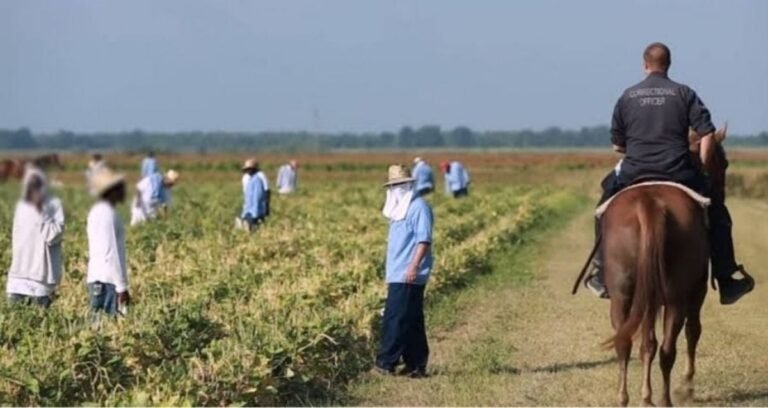
History and Conditions of Louisiana State Penitentiary
Explore the history and current conditions of the Louisiana State Penitentiary, from its origins as a plantation to its current status as the largest maximum-security prison in the US.
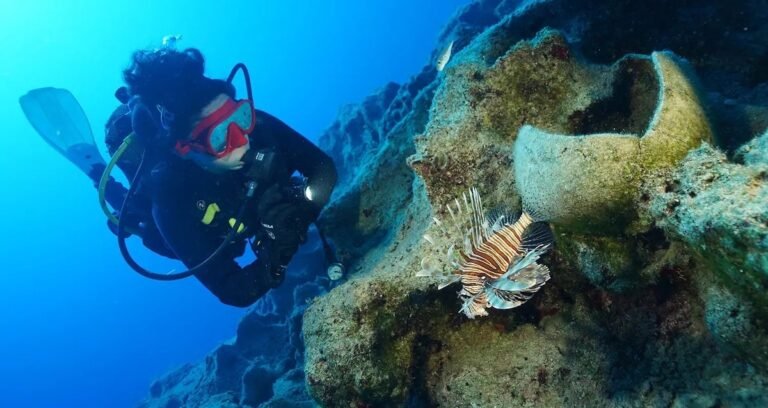
World Oldest Shipwreck Found Off Coast of Turkey
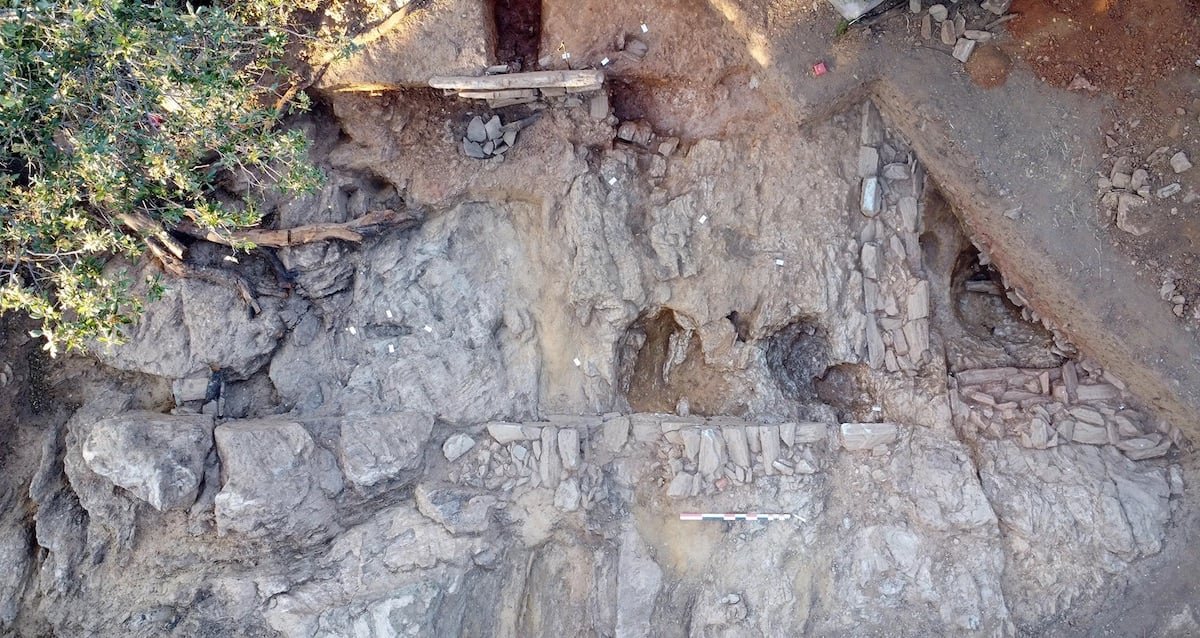
Archaeologists in Turkey have discovered the world’s oldest known shipwreck, dating back 4,700 years to the Early Bronze Age, revealing insights into ancient Mediterranean trade routes.
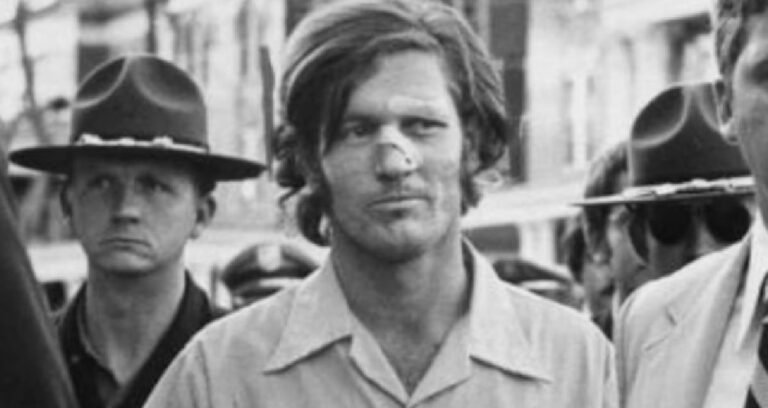
The 1974 Crime Spree of Paul John Knowles
Paul John Knowles committed a violent murder spree across multiple U.S. states in 1974, killing at least 18 people before being shot dead during an escape attempt.
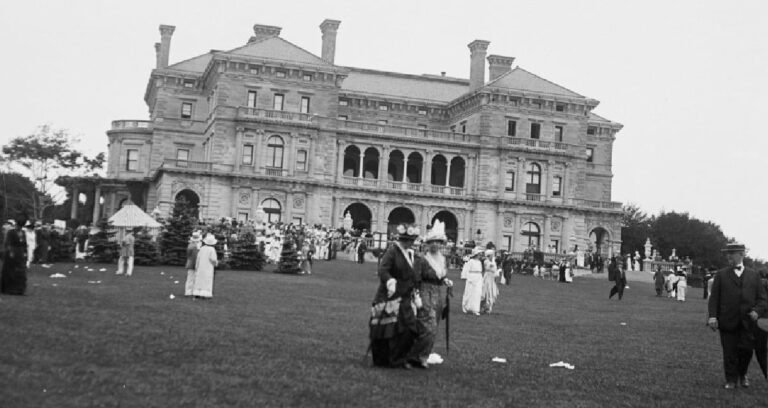
The Breakers Newport Gilded Age Mansion History
Discover the history of The Breakers, the opulent 70-room Gilded Age mansion in Newport, Rhode Island, built by Cornelius Vanderbilt II as a summer residence.
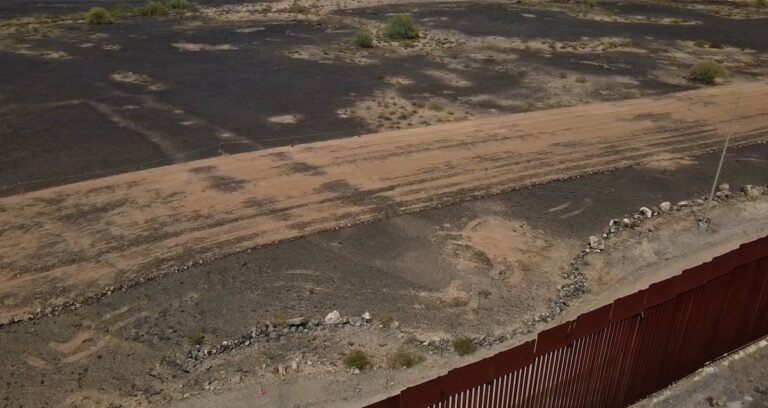
Border Wall Construction Destroys Las Playas Intaglio Geoglyph
Construction of a border wall in Arizona destroyed 30% of the Las Playas Intaglio, a 6,500-year-old fish-shaped geoglyph and the oldest known carving of its kind in the Americas.
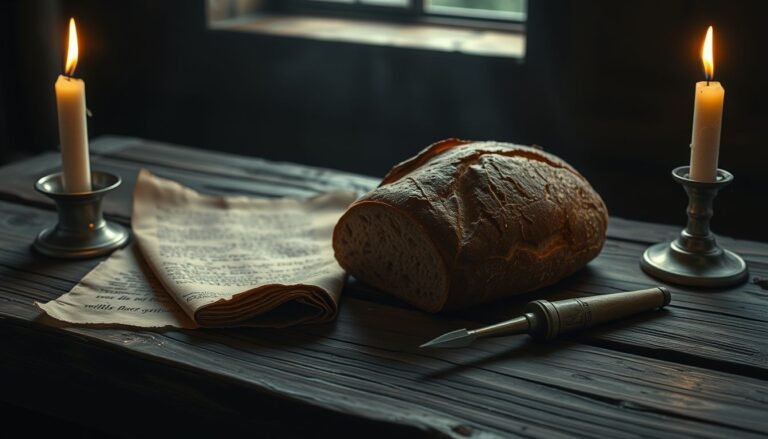
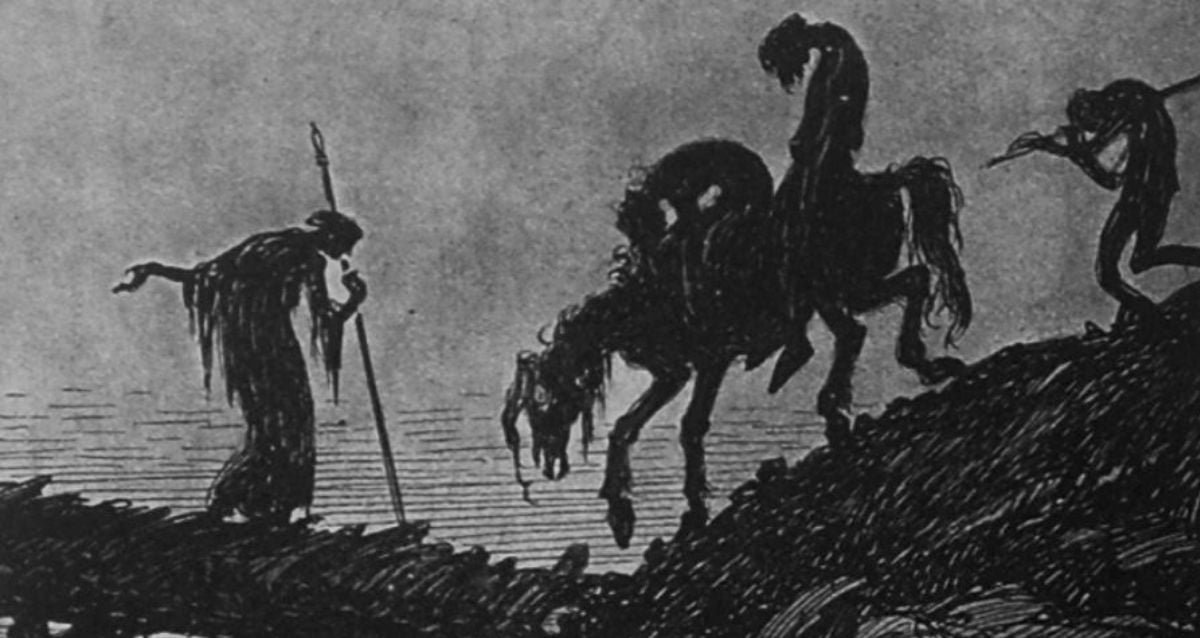
The Ergot Theory and the Salem Witch Trials Truth
Explore the truth behind the Salem witch trials and why the popular ergot poisoning theory was debunked, revealing the social and psychological causes of the 1692 mass hysteria.
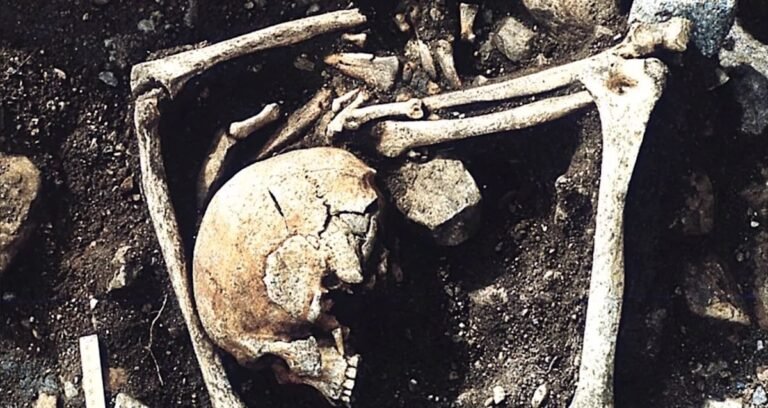
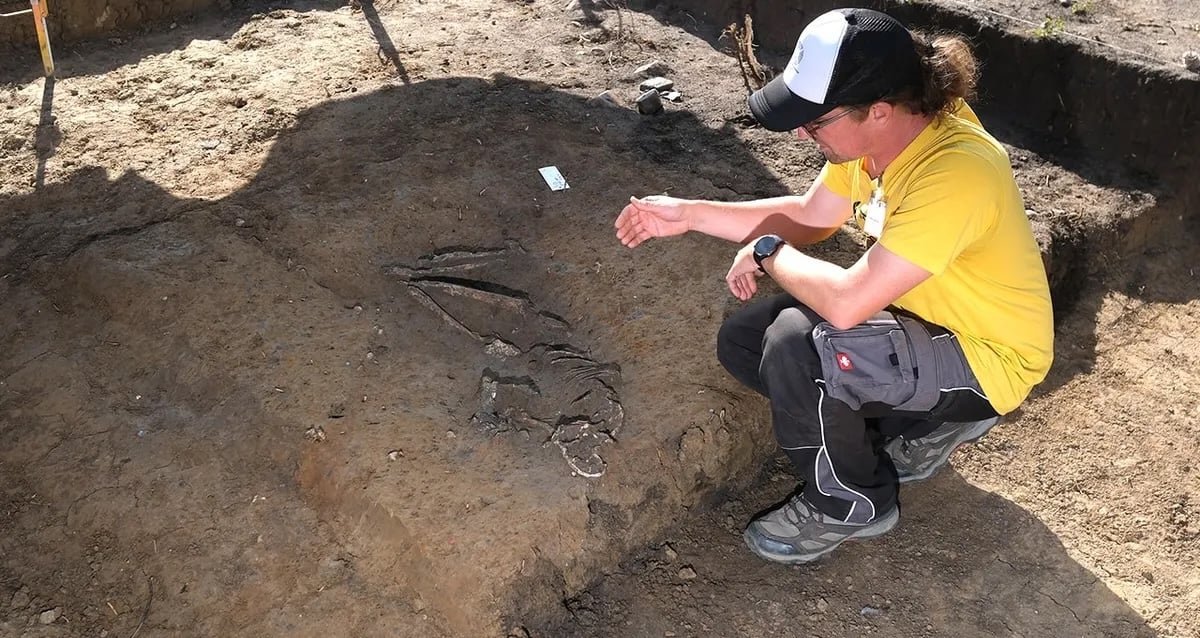
Viking Raid Evidence Found in 1200 Year Old Latvian Grave
Archaeologists in Latvia discovered a 1,200-year-old grave containing six Semigallian victims of a violent raid, featuring severe injuries caused by axes and swords during the early Viking Age.
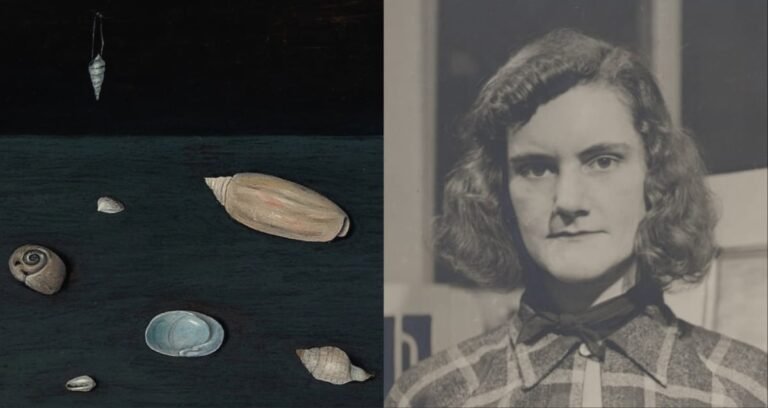
Gertrude Abercrombie Painting Sold for 1.3 Million Dollars
A 1951 Gertrude Abercrombie painting, bought for $30 at a Michigan estate sale, sold for $1.3 million at auction, setting a record for the artist.
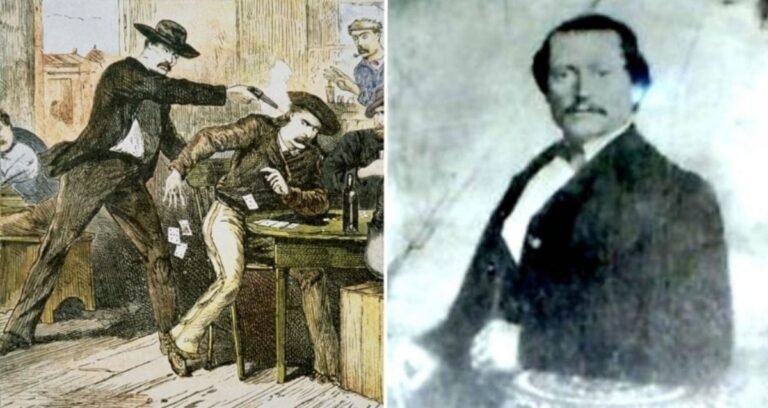
The Murder of Wild Bill Hickok by Jack McCall
Jack McCall fatally shot Wild Bill Hickok in 1876 in a Deadwood saloon. After an initial acquittal in an informal trial, McCall was later convicted and hanged in 1877.
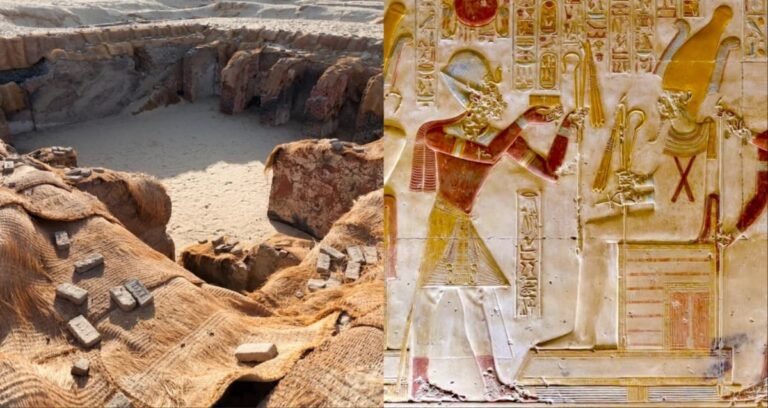
Forensic Evidence Confirms Human Sacrifice in Ancient Egypt
Modern forensic analysis of skulls from the Umm el-Qaab tombs in Abydos confirms that early Egyptian pharaohs were buried with human sacrifices to serve them in the afterlife.