
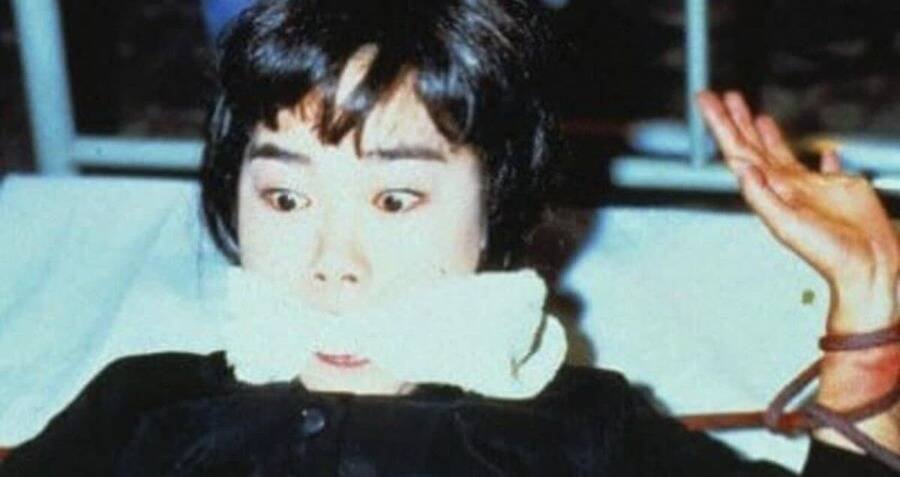
Certain horror films have achieved such a high level of realism that audiences have historically mistaken them for actual snuff films—footage of real murders committed for the camera. While the concept of a snuff film remains largely a myth, the intersection of found-footage techniques, extreme practical effects, and deceptive marketing has led to legal battles and enduring urban legends.
The Origins of the Snuff Film Myth
The term “snuff” first entered the public consciousness in 1972 following the Charles Manson murders. Rumors circulated that the cult had recorded their killings and buried the tapes in the desert. Although these claims were never substantiated, the idea of recorded real-life death became a recurring fear and a tool for filmmakers seeking to blur the line between fiction and reality.
Cannibal Holocaust and Legal Consequences
Released in 1980, Cannibal Holocaust is recognized as the first found-footage horror movie. Directed by Ruggero Deodato, the film utilizes a frame story where an NYU anthropologist and students search for a missing film crew in the Amazon rainforest. The discovered footage depicts extreme violence and mutilation, which was so convincing that it led to the arrest of Deodato after the Italian premiere.
Realism through Practical Effects and Animal Cruelty
Deodato’s commitment to realism involved several controversial methods:
- On-location shooting: The film was shot in Colombia using real Indigenous tribes.
- Actual animal killings: The production featured the violent slaughter of turtles, boa constrictors, monkeys, pigs, and coatis. This focus on animal death contrasts with the history of animals that were once bigger and their natural evolutionary changes.
- Cast isolation: To maintain the illusion of death, Deodato forbade actors whose characters died from appearing in public for one year.
Because the actors remained out of the spotlight, Italian authorities charged Deodato with murder. The case was eventually dismissed after the director brought the cast into court and on a talk show to prove they were alive, while explaining the practical effects used to simulate human impalement.
The Blair Witch Project and Psychological Manipulation
In 1999, The Blair Witch Project revolutionized the horror genre by presenting itself as a documentary about three students investigating a Maryland legend. Directors Eduardo Sanchez and Daniel Myrick employed psychological tactics to elicit genuine fear from the cast, including Heather Donahue, Mike Williams, and Josh Leonard.
Production Techniques for Authenticity
The filmmakers used several methods to ensure the footage looked authentic:
- Improvisation and Stress: Actors were sleep-deprived and tormented in the woods at night.
- Guided Navigation: The cast was given GPS systems and instructions left in their tents to guide them toward specific plot points.
- Identity Blurring: The actors used their own real names for their characters.
Deceptive Marketing and Public Perception
The film’s marketing strategy was unprecedented. Posters were designed as missing-person notices, and the actors were listed as missing, presumed dead on IMDb. These efforts were so effective that approximately 50% of theater audiences believed they were watching actual footage of a crime.
The impact of this campaign persists decades later. Heather Donahue has stated that some people still believe she is an actress hired to impersonate the real woman who died in the woods. Her mother reportedly continues to receive sympathy cards for a daughter who never actually disappeared.