
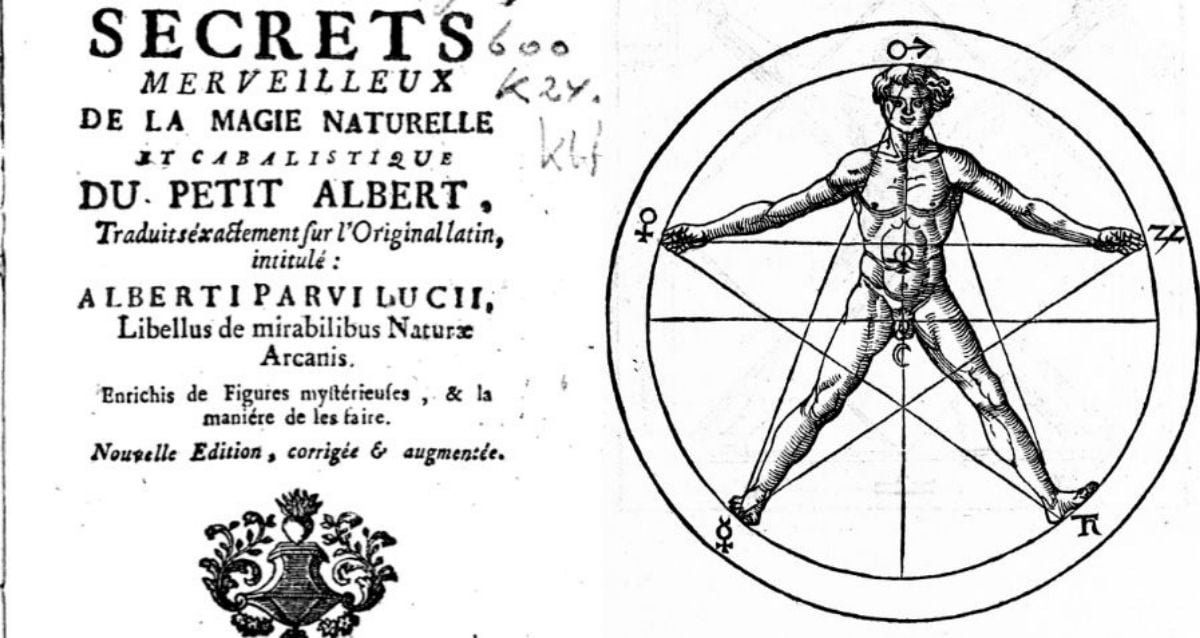
Grimoires are specialized textbooks of magic that provide instructions on how to create magical amulets, summon spirits, and perform rituals for various outcomes. Originating in ancient civilizations like Mesopotamia and Egypt, these texts evolved from simple healing charms into complex manuals of occultism that sparked significant religious and social conflict throughout European history.
Ancient Origins of Magical Incantations
The earliest documented evidence of written magic dates back over 2,500 years to ancient Mesopotamia. Archaeologists in present-day Iraq have discovered cuneiform clay tablets featuring spells intended to ensure good health and offer protection from malevolent spirits. Similarly, in ancient Egypt, the Greek Magical Papyri (written between the second century B.C.E. and fifth century C.E.) cataloged a wide array of practices, including folk remedies, love charms, and instructions for summoning demons.
The Influence of King Solomon and Pseudepigrapha
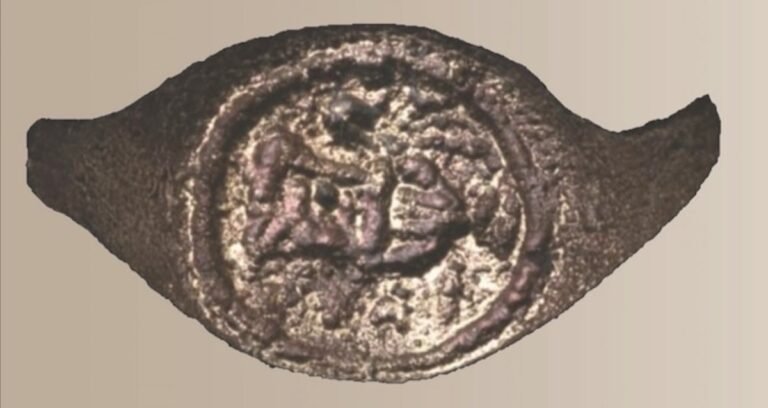
Many influential grimoires are attributed to King Solomon, a biblical figure theorized to have ruled Israel between 970 and 931 B.C.E. The Testament of Solomon claims the king used a magical ring provided by the archangel Michael to command demons for the construction of the temple in Jerusalem.
Between the 14th and 17th centuries, other texts emerged claiming Solomonic authorship, such as the Greater Key of Solomon and the Lesser Key of Solomon. These books provided detailed guides on:
- Creating magical pentacles to compel spirits into obedience.
- Summoning the dead.
- Achieving invisibility.
- Finding love and performing animal sacrifices.
Historians generally agree that these texts were not written by the biblical Solomon. It was a common practice during the Middle Ages for authors to attribute their work to historical or religious figures—including Aristotle, Virgil, Ptolemy, and Simon Magus—to lend their writings an air of authority and credibility.
What is a Grimoire in Witchcraft?
In the context of witchcraft and occultism, a grimoire is a comprehensive manual used to store magical knowledge. Unlike a simple diary, a grimoire serves as a technical reference for the practitioner, containing the precise formulas, ingredients, and planetary timings required to execute a spell. While some are historical texts passed down through generations, others are personal compilations of a practitioner’s discovered techniques.
The Intersection of Magic and Religion
Magic was historically intertwined with religious belief. For instance, some believed that Jewish people possessed secret knowledge derived from Moses. This led to the creation of the Sixth and Seventh Books of Moses, an 18th-century text claiming to be lost writings of the prophet. This specific grimoire focused on:
- Medical remedies: Using 40-day-old ass’s milk for wasp stings or white she-ass hairs for snake bites.
- Protective charms: Amulets and incantations designed to ward off sorcery and witches.
Natural Magic versus Demonic Magic
The Catholic Church initially distinguished between two types of magic. Natural magic, which encompassed botany, alchemy, and astrology, was generally accepted because it was seen as utilizing the inherent properties of God’s creation. However, demonic magic—which included necromancy and divination—was strictly forbidden as it was believed to originate from the Devil.
Persecution and the Index Librorum Prohibitorum
As the printing press made grimoires more accessible in Europe, the Church intensified its efforts to suppress them. The Index Librorum Prohibitorum was created to list banned books, including numerous grimoires. During the Inquisition, these texts were frequently confiscated and burned.
The danger of owning such books peaked during the European witch trials of the Renaissance. Possession of a spellbook was often used as primary evidence of witchcraft. In Iceland, for example, approximately one-third of those who faced trial for witchcraft were found to own a grimoire.
Modern Spellbooks and the Book of Shadows
In contemporary occult practices, the most prominent example of a modern grimoire is the Book of Shadows, central to the neopagan religion of Wicca. Founded in the 1940s by Gerald Gardner, Wicca utilizes this text to document rituals, spells, and the faith’s underlying philosophy.
What do witches put in their Book of Shadows?
Modern practitioners typically include a variety of personal and traditional information in their Book of Shadows, such as:
- Ritual Instructions: Detailed steps for celebrating the Sabbats and Esbats.
- Herbal Correspondence: Lists of plants and their associated magical properties.
- Lunar Cycles: Charts tracking the moon’s phases and their influence on spellcasting.
- Personal Experiences: Reflections on the outcomes of performed rituals.
Most Powerful and Influential Grimoires
While power is subjective in occultism, certain texts are regarded as highly influential due to their historical impact. The Pseudomonarchia Daemonum, published in the 16th century, is noted for listing 69 demons along with their specific attributes and conjuration methods. This text was so influential that the Church authorized the creation of specific exorcism manuals to counteract its teachings.
Today, grimoires persist not only in actual spiritual practices but also as staples of popular culture, appearing in literature and media as symbols of hidden knowledge and untapped power.