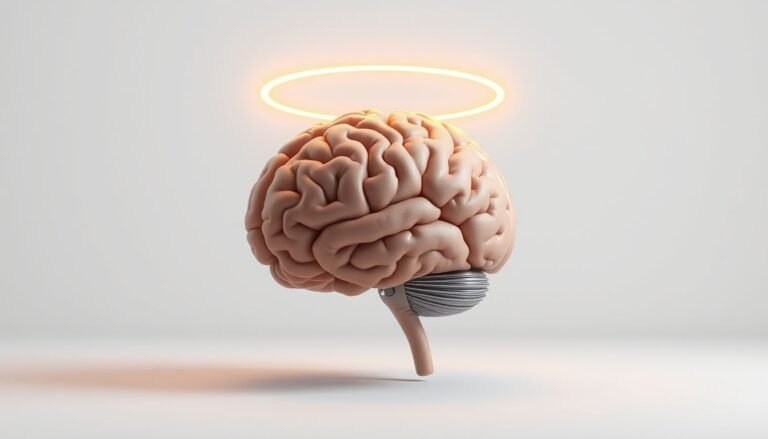
Understanding the Halo Effect and Its Impact on Psychology
Explore the science behind the halo effect, a cognitive bias where one positive trait influences our overall perception of a person or product, often leading to subconscious judgments.

Explore the science behind the halo effect, a cognitive bias where one positive trait influences our overall perception of a person or product, often leading to subconscious judgments.
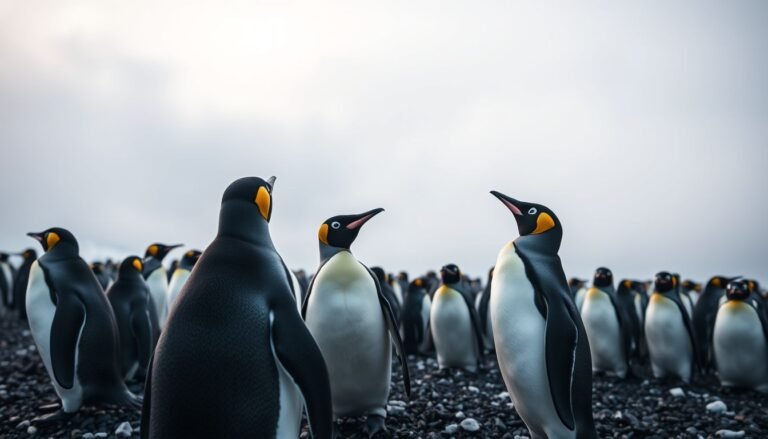
A new study reveals that penguin guano releases ammonia gas that interacts with phytoplankton gases to form clouds, potentially cooling the Antarctic region.
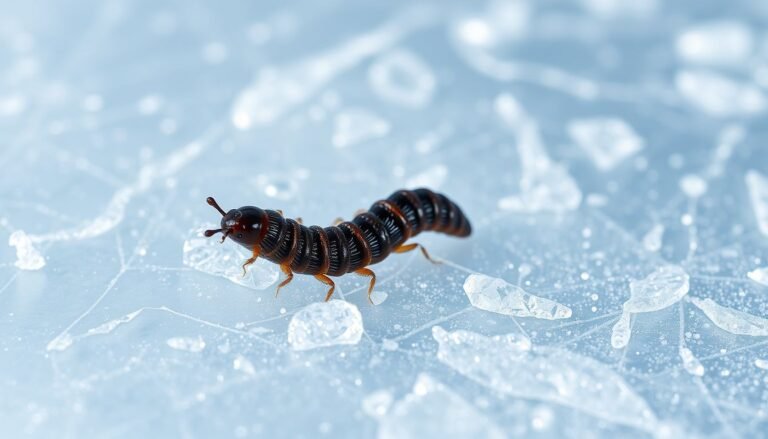
Discover the biology of the Alaska ice worm, a unique creature that thrives in glaciers but dies at 40 degrees Fahrenheit due to extreme temperature sensitivity.

Scientific evidence debunks the detox diet myth, explaining how the liver and kidneys naturally remove toxins while highlighting the risks of restrictive liquid diets.
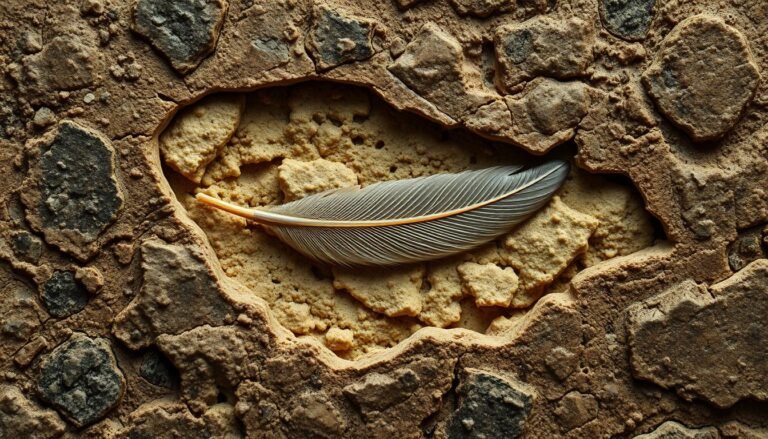
A 66-million-year-old dinosaur coprolite found in Montana reveals how feather density and insulation provided a critical survival advantage for modern bird ancestors during the mass extinction.
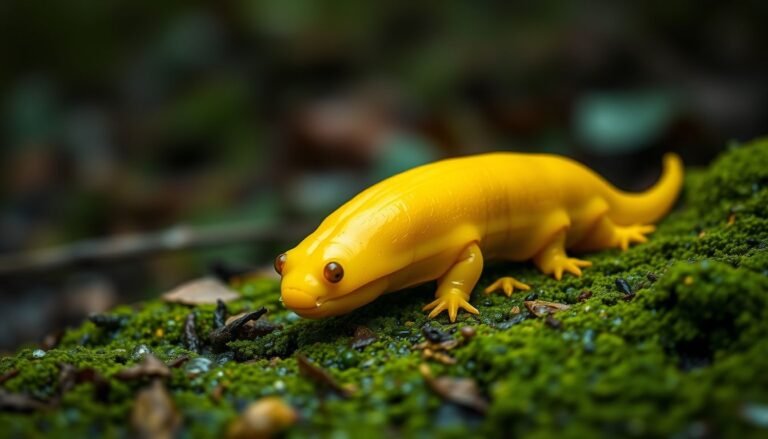
Discover the biological facts of the California banana slug, featuring 27,000 teeth and numbing slime that protects it from predators in the wild.

Explore the depths of the Kola Superdeep Borehole, the deepest man-made hole in the world, reaching 40,230 feet and revealing unexpected geological surprises.

Empathy is more than a social skill; it is an evolutionary survival strategy that reduces stress, protects heart health, and increases longevity by fostering essential social connections.

University of Maryland researchers have created a smart underwear device to track flatulence frequency, revealing that humans pass gas more often than previously believed.
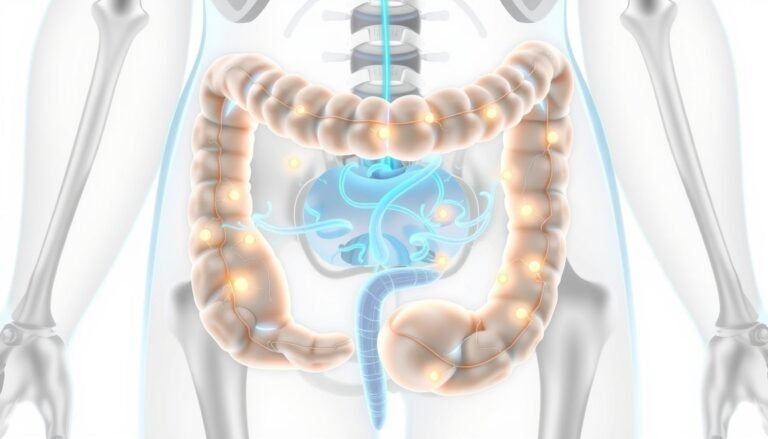
Learn how the human body uses the sampling reflex and sensory nerves in the anal canal to distinguish between gas and stool to prevent accidental leakage.
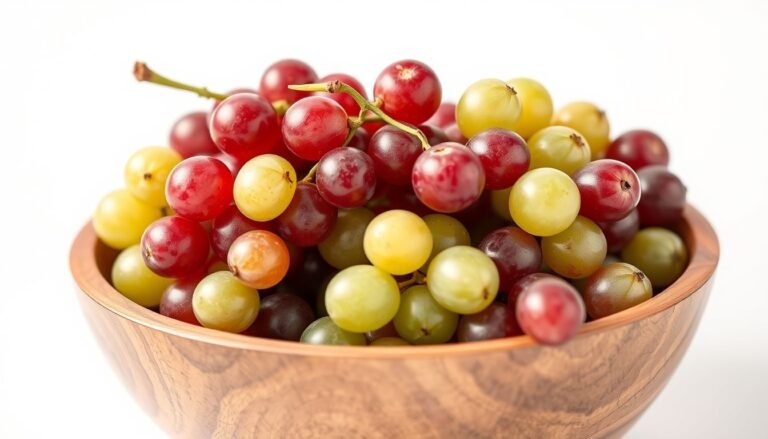
Explore the genetic and nutritional differences between red and green grapes, focusing on the role of anthocyanins, resveratrol, and the VvmybA1 gene in determining color and health benefits.
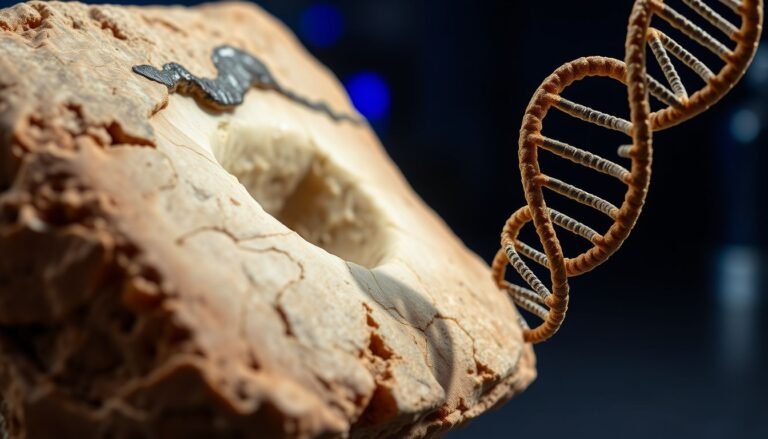
Analysis of fossilized dental plaque from prehistoric European Homo sapiens reveals a genetic aversion to eating insects, unlike Neanderthals, who consumed them as a protein source.