
Researchers have uncovered the earliest known evidence of human cannabis use as an intoxicant, dating back approximately 2,800 years. The discovery was made in an ancient Scythian tomb in the Uyuk Valley of Siberia, where archaeologists found 1,400 cannabis seeds and traces of psychoactive compounds in human hair samples. This finding pushes back the timeline of human cannabis consumption for its psychoactive properties by at least 300 years compared to previous records.
Where was the oldest cannabis found?
The discovery took place in a monumental burial mound in the Uyuk Valley, Siberia. The site is a 460-foot diameter tomb belonging to elite members of the Scythian society, a nomadic, horse-riding people who lived in Central Asia and southern Russia. Excavations, which began in 2017 by teams from the University of Bern and the Max Planck Institute of Geoanthropology, revealed a complex burial environment containing horse bones and various grave goods.
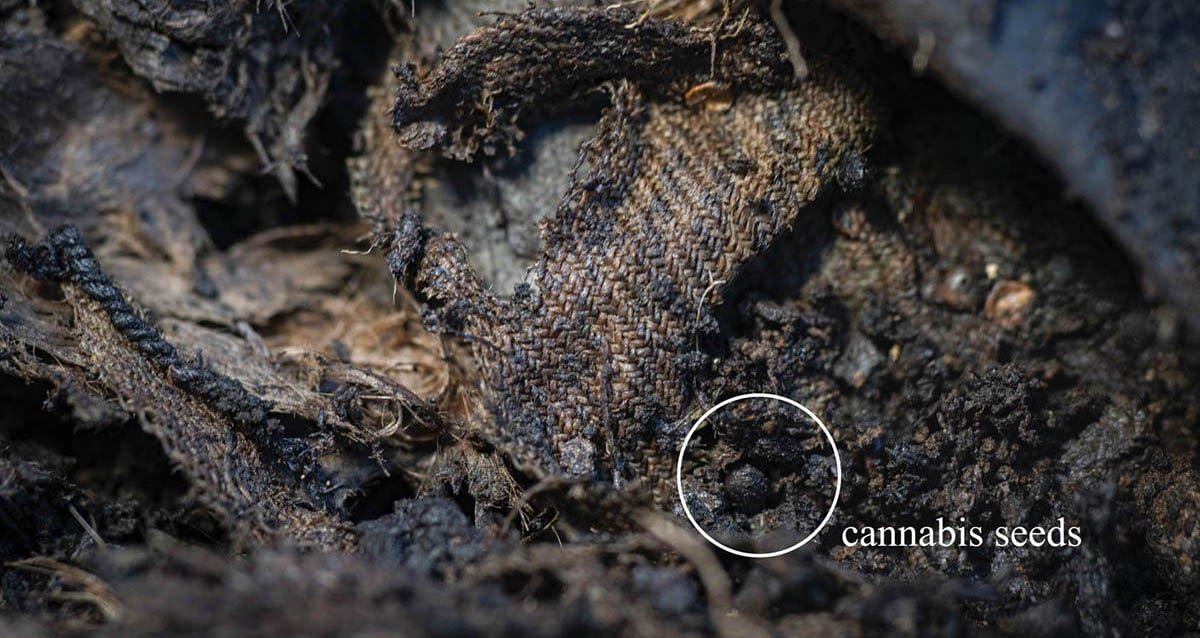
Among the findings, archaeologists recovered 1,400 cannabis seeds. To confirm the age of the seeds, the team used radiocarbon dating, which placed the deposition of the seeds in the grave around the early eighth century B.C.E. This specific context is rare because it preserved both plant material and human soft tissue, allowing for a more comprehensive study of the plant’s use.
What is the earliest recorded use of cannabis?
While the presence of seeds alone does not prove intoxication, the analysis of human hair found at the site provided the critical evidence. Chemical signals consistent with tetrahydrocannabinol (THC) and cannabinol were detected in the hair of some of the interred individuals. Because the human body incorporates these molecules into hair follicles, this serves as direct evidence that the cannabis was consumed by the people buried there.
As noted by Reuters, the discovery proves that cannabis was used as an intoxicant far earlier than previously documented. Prior to this discovery, the oldest known case of psychoactive cannabis use had been found in a funerary site in China, where the drug was inhaled via incense burners.
Ritual and Cultural Context
The tomb’s contents suggest a highly structured ritual practice. In addition to the cannabis, archaeologists found the remains of 18 horses, which indicates extensive horse sacrifices. According to a statement, the burial was accompanied by horse and likely human sacrifices, raising questions about whether the cannabis was used as part of these specific ritualistic practices.
Future Research and Genetic Analysis
The research team is now focusing on DNA sequencing of the cannabis seeds to determine if the plants were wild or cultivated. This genomic analysis will help researchers understand the history of the domestication and spread of this crop across ancient civilizations. The excellent preservation of the DNA in these samples provides a unique opportunity to study the plant’s evolution.
The findings, published in Science, highlight the importance of the combined analysis of botanical and human remains. As explained by Dr. Gino Caspari in an interview with the Associated Press, the discovery of both preserved plant parts and human soft tissue in the same context is extremely rare and provides an undeniable link between the plant and its users.
- Location: Uyuk Valley, Siberia
- Age: Approximately 2,800 years old (Early 8th century B.C.E.)
- Evidence: 1,400 seeds and THC traces in human hair
- Previous Record: Funerary sites in China