
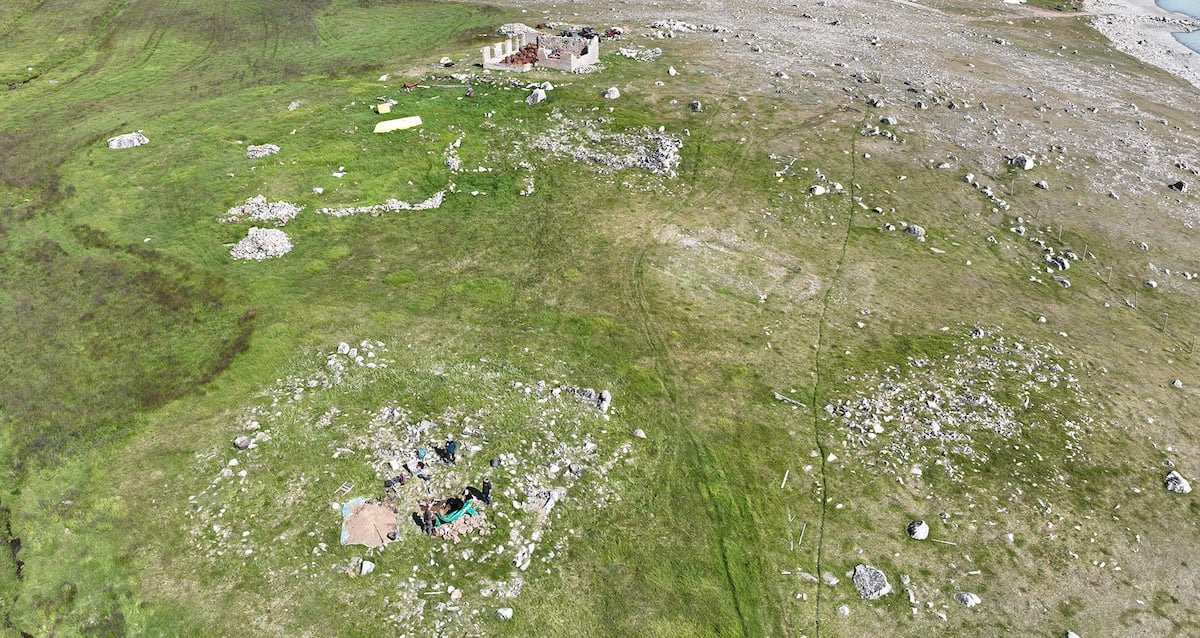
Archaeologists from the National Museum of Denmark have uncovered a Norse church in southern Greenland, marking the first discovery of its kind in over 60 years. The site, located in Qinngua, was confirmed as a place of worship after researchers found a skeleton buried in a customary Christian orientation, with the head facing east. The structure is tentatively dated between 1100 and 1300 C.E.
Evidence of Christian Burial and Site Identification
The ruins at Qinngua were initially identified in the early 2000s as a rectangular stone building. However, its function remained unconfirmed until the recent discovery of a human skeleton. This burial provides the necessary evidence to distinguish the site from Inuit burial practices, which typically involve stone-covered chambers rather than cemeteries.
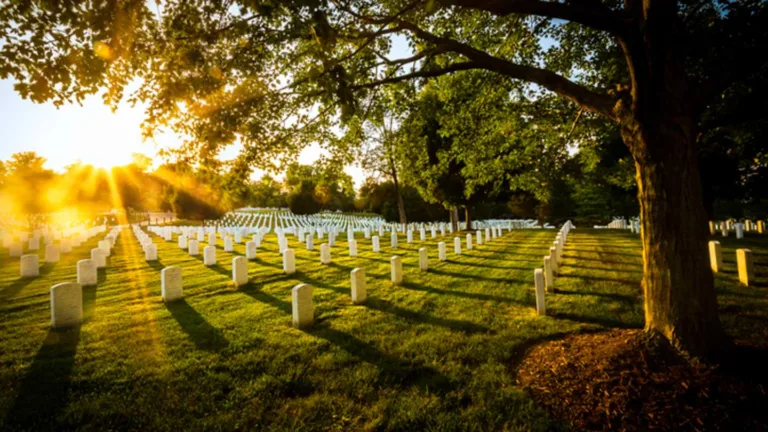
According to a statement from the National Museum, the eastern orientation of the grave is a definitive indicator of a Christian burial from the High Middle Ages. This finding confirms the building’s role as a church and provides a concrete link to the Norse population’s religious practices in the region.
Strategic Location and Social Power
The church is situated only three miles from Brattahlíð, the 10th-century estate established around 985 C.E. by the Viking explorer Erik the Red. The proximity to this influential estate suggests that the church was part of a larger social and political network. In Norse society, churches served as more than religious centers; they were hubs of power and social status.
Researchers have identified several key features of the area:
- Church Density: Six Norse churches have been found in this small southern region, three of which remained active throughout the Middle Ages.
- Nearby Settlements: The ruins of two or three farms have been located near the church, indicating the existence of a small village.
- Power Dynamics: The concentration of churches suggests a competitive environment where local leaders built houses of worship to demonstrate their position and influence.
Connecting Archaeology to Medieval Manuscripts
The discovery aligns with descriptions found in historical texts, specifically an Icelandic manuscript known as The Book of Flatey. The text mentions a house of worship called Kirkja undir Sólarfjöllum, or the Church under the Sunny Mountains. The mountains surrounding the Qinngua site are often sunny, leading researchers to believe this is the specific church mentioned in the manuscript.
This correlation between written records and physical ruins provides a roadmap for future excavations. Archaeologists believe that other churches mentioned in medieval texts but not yet discovered may be located using similar geographical and textual clues.
The Viking Presence in Greenland
Who discovered Greenland and where was the first settlement?
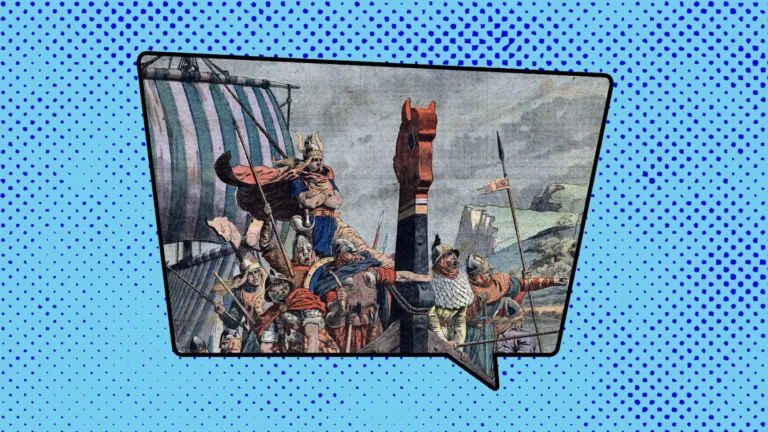
Greenland was explored and settled by Norse Vikings, led by Erik the Red in the late 10th century. The first permanent settlements were established in the southern part of the island, primarily in the Eastern and Western Settlement areas. These communities relied on farming, fishing, and trade for survival.
Are Greenlanders descended from Vikings?
While the Norse established significant colonies in Greenland that lasted for several centuries, the current indigenous population of Greenland consists of the Inuit. The Norse society in Greenland began to collapse in the 14th century, eventually disappearing from the island. Current genetic and archaeological evidence suggests that the Norse colonies were replaced by the Thule people, the ancestors of the modern Inuit.
What is the primary religion in Greenland today?
In contrast to the medieval Norse churches discovered in the ruins, the modern population of Greenland is predominantly Christian, with the Lutheran Church of Greenland being the most prominent denomination. This reflects a much later period of European contact and colonization compared to the early Viking settlements.