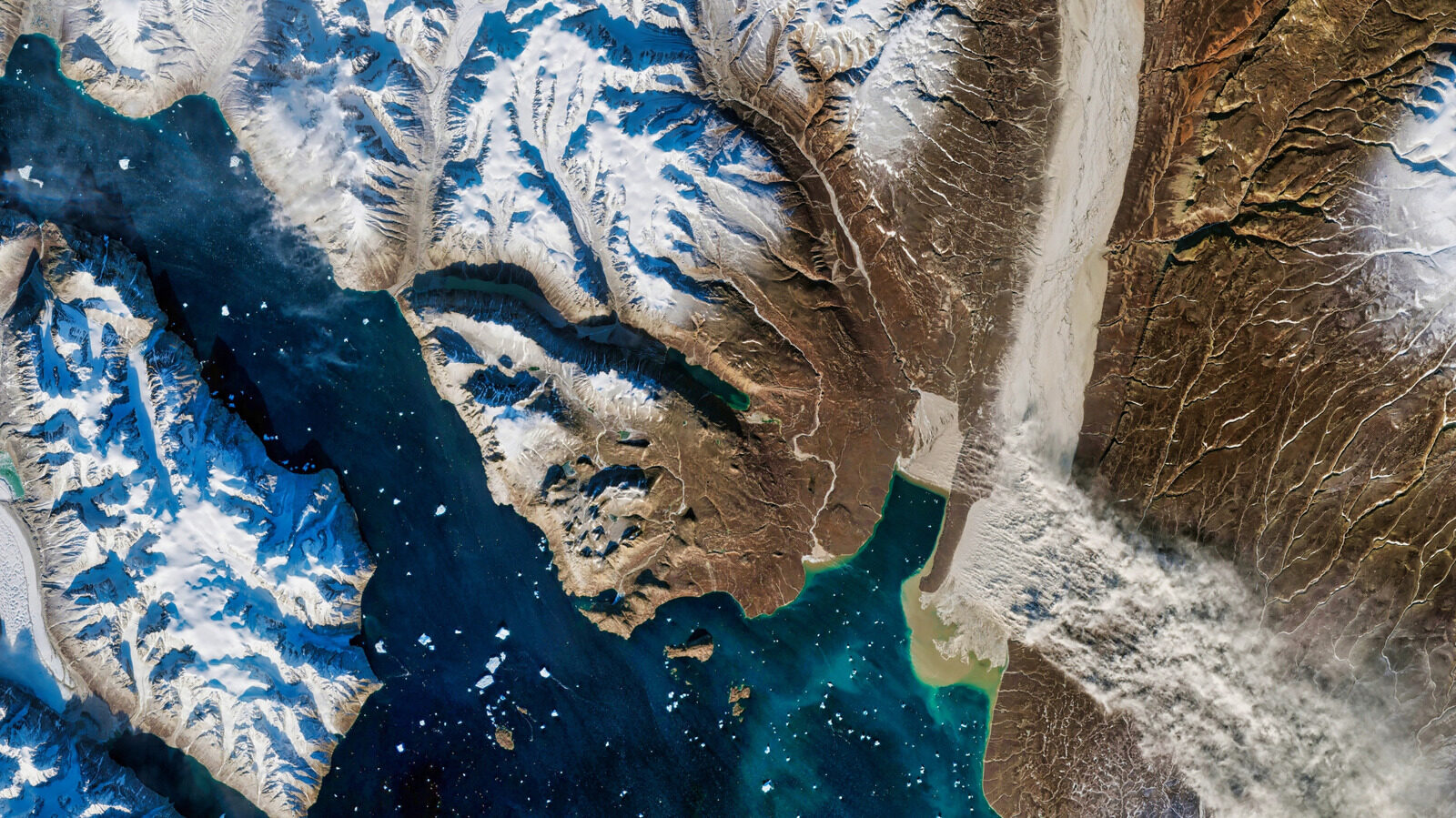

Have you ever considered how a seemingly small area can hold immense value? The Kvanefjeld plateau in Greenland is a prime example, showcasing a wealth of resources that could impact global industries. Understanding its significance requires diving into the complex interplay of economics, politics, and environmental concerns.
This 46-square-mile region is not just a barren land; it’s a treasure trove of rare earth elements and minerals. As global demand for these resources surges, Kvanefjeld finds itself at the center of intense scrutiny and debate.
Understanding the economic significance of Kvanefjeld
The Kvanefjeld plateau, located in southern Greenland, spans 46 square miles, an area comparable to the size of San Francisco. Despite its seemingly modest size, it holds extraordinary economic potential. The plateau is rich in rare earth elements and other critical minerals, essential for modern technology, from smartphones to renewable energy systems.
According to estimates, Kvanefjeld could supply up to 15% of the global demand for rare earth elements, making it one of the most sought-after mining locations worldwide. These elements, particularly uranium and thorium, are vital for various applications, including:
- Electronics: Smartphones, tablets, and computers rely on these materials for their manufacturing.
- Defense: Military technologies utilize rare earths in advanced weaponry systems.
- Energy: Wind turbines and electric vehicles depend heavily on these components for efficiency and performance.
This growing demand underlines why Kvanefjeld is being closely watched by global mining companies and governments alike.
The unique geological features of Kvanefjeld
Kvanefjeld is not merely a random deposit; its geological characteristics contribute to its value. The region is home to over 1 billion tons of resources, including hundreds of millions of pounds of U3O8 (uranium oxide) and nearly 25 billion pounds of rare earth oxides. The mix of materials found here is particularly appealing for several reasons:
- Diverse Element Composition: The presence of both rare earth elements and uranium allows for multifaceted mining strategies.
- High Concentration: The density of valuable minerals makes extraction potentially profitable.
- Technological Applications: Elements like neodymium and praseodymium are crucial for creating strong magnets used in various industries.
This unique geological combination positions Kvanefjeld as a critical player in the global mineral market.
Environmental concerns and mining challenges
While the economic prospects of Kvanefjeld are enticing, they come with a set of environmental concerns that cannot be ignored. Mining operations, especially those involving uranium, raise questions about potential contamination and ecological impact. The following issues are at the forefront of the debate:
- Radioactive Contamination: The extraction of uranium necessitates strict safety protocols to prevent environmental hazards.
- Biodiversity Threats: Mining can disrupt local ecosystems, affecting flora and fauna.
- Long-term Land Use: Considerations about land rehabilitation after mining activities are critical for sustainable practices.
The delicate balance between harnessing mineral wealth and protecting the environment is a central theme in discussions surrounding Kvanefjeld.
The political landscape influencing Kvanefjeld
The political environment surrounding Kvanefjeld adds another layer of complexity. Greenland operates under a unique governance structure as an autonomous territory of Denmark, which influences its decision-making regarding natural resource management. Recent developments have highlighted the contentious nature of mining policies:
- Uranium Mining Ban: In 2021, a newly elected left-wing government imposed a ban on uranium mining, citing pollution risks and environmental protection.
- Economic Dependence: Greenland relies on Denmark for economic stability, complicating efforts to exploit its mineral resources.
- Legal Disputes: Energy Transition Materials, a company invested in Kvanefjeld, is currently suing the Greenland government for mining rights or compensation, adding to the tension.
This political backdrop has far-reaching implications for the development of Kvanefjeld’s mining potential and, by extension, Greenland’s economic future.
Global implications of Greenland’s mineral resources
The Kvanefjeld project is not only significant for Greenland but also plays a crucial role in the global supply chain for rare earth elements. As countries like the United States and members of the European Union aim to reduce their dependency on China for these critical materials, they are increasingly looking to Greenland as a potential source. This shift in focus can have several global repercussions:
- Supply Chain Stability: Diversifying sources of rare earth elements can enhance security and reliability for Western economies.
- Geopolitical Tensions: Increased interest in Greenland’s resources might escalate geopolitical rivalries, especially concerning China’s dominance in the market.
- Environmental Standards: International scrutiny on Greenland’s mining practices could push for higher environmental standards across the board.
The stakes are high, and the outcomes of these developments could redefine global mineral supply chains.
The path ahead for Kvanefjeld
The future of Kvanefjeld remains uncertain, embroiled in a complex interplay of economic opportunity and environmental responsibility. As new political leadership emerges, stakeholders are keenly watching how decisions will unfold regarding mining rights and environmental regulations. Here are some potential pathways:
- Policy Revisions: Changes in government could lead to a reassessment of the uranium mining ban.
- Technological Innovations: Advances in mining technology may mitigate environmental concerns, making projects more viable.
- Community Engagement: Involving local communities in decision-making could enhance support for mining initiatives.
The balance between economic growth and environmental stewardship will be crucial as Greenland navigates its role in the global mineral landscape.