
As the Grand Canyon stands as a testament to the Earth’s geological history, it is also a battleground for environmental preservation and indigenous rights. Amidst its stunning vistas and rich biodiversity, a looming threat emerges from uranium mining activities that could disrupt this natural wonder. Understanding the implications of these operations is vital for protecting this sacred land.
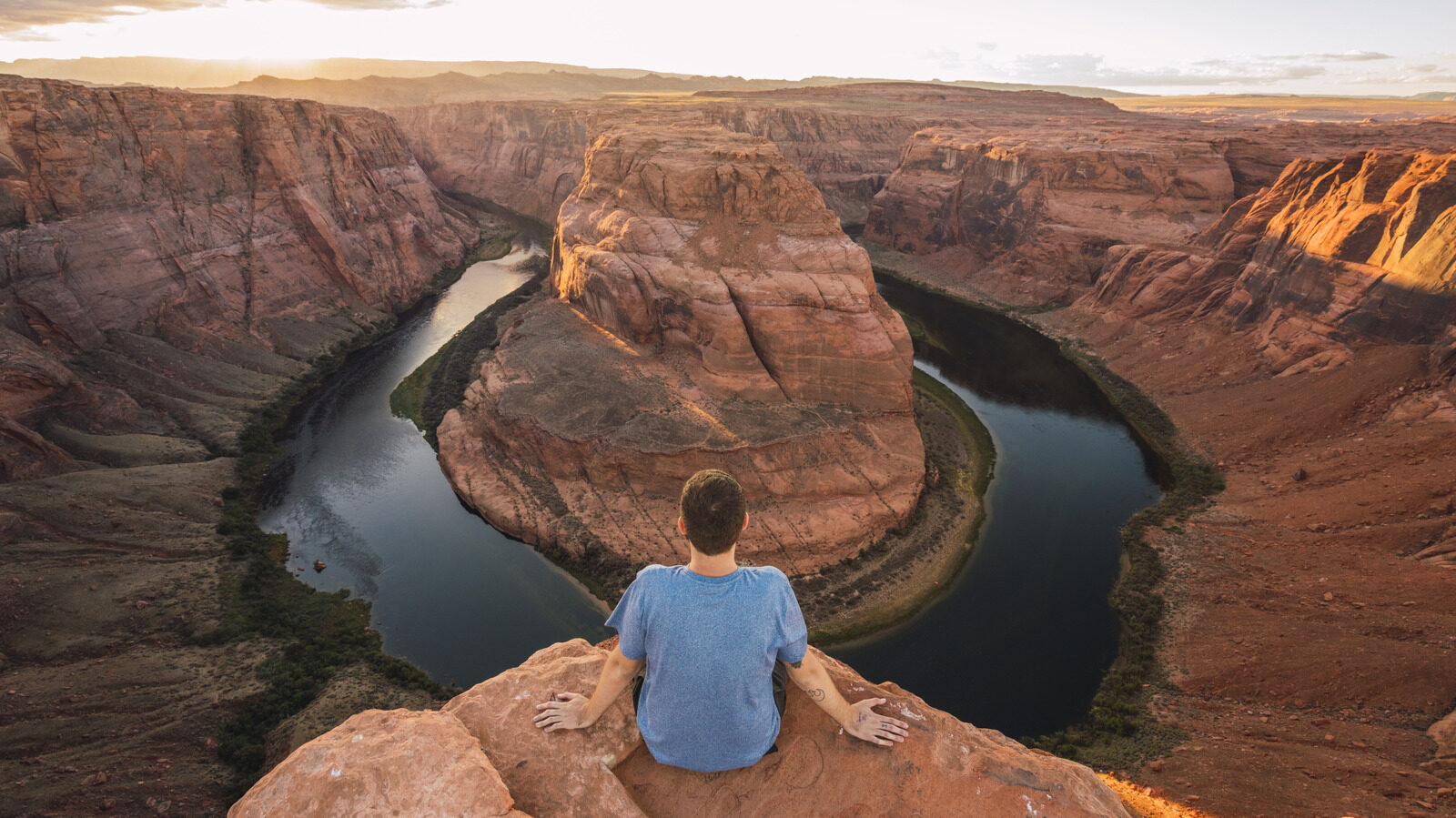
Over five million visitors each year flock to the Grand Canyon National Park, captivated by its breathtaking beauty and diverse ecosystems. Home to species like bighorn sheep and the California condor, the park showcases nearly two billion years of geological history through its layered rock formations. Yet, despite its protected status, the canyon faces serious threats from uranium mining operations, which have sparked significant debate among environmentalists, indigenous communities, and government agencies.
The political landscape surrounding uranium mining in sacred territories
Uranium mining in the Grand Canyon region has been contentious since it began in the 1950s. In 2023, the Ancestral Footprints of the Grand Canyon National Monument was established to protect approximately 900,000 acres surrounding the park from development and mining. This designation marked a significant victory for environmentalists and indigenous activists, but one mine, the Pinyon Plain uranium mine, remains operational.
This mine is particularly controversial due to its location, which lies on ground sacred to the Havasupai Tribe. Despite commencing operations after the national monument’s establishment, the mine’s operational rights were “grandfathered in” based on a permit granted in 2012. This situation has led to frustration among local tribes, as the mine is situated just layers above a crucial underground aquifer that feeds nearby springs.
The Arizona Department of Environmental Quality (ADEQ) granted permission for mining under the assumption that substantial rock layers separated the mine from the aquifer. However, recent findings challenge this notion, suggesting that geological connections may allow for contamination to spread. The political and environmental stakes are high, with local tribes advocating for the cessation of mining activities that jeopardize their sacred lands.
The hidden dangers of uranium mining operations
Uranium mining poses a significant threat not only to wildlife but also to the delicate ecosystems that rely on clean water sources. The interconnectedness of groundwater systems means that contamination can have far-reaching effects. Based on a recent study, the complexity of these underground water networks was previously underestimated.
The 2024 study from the University of New Mexico highlights how groundwater flows through fault lines in the Grand Canyon region, revealing that uranium contamination can migrate to surface springs relied upon by both wildlife and local communities. This research supports longstanding concerns voiced by environmental and social justice activists, emphasizing the need for stringent regulations to protect these vulnerable ecosystems.
Understanding the mechanics of uranium-contaminated groundwater
Groundwater contamination from uranium mines can occur in several ways. The Pinyon Plain Mine, for instance, employs a method known as “breccia pipe mining.” Breccia pipes are vertical shafts that cut through various rock layers and are filled with crushed sedimentary material. This geological structure allows groundwater to penetrate more easily compared to solid rock formations.
The 2024 study, titled “Hydrotectonics of Grand Canyon Groundwater,” demonstrates that contamination could travel through these breccia pipes via both vertical and horizontal pathways. For example, past incidents with the Orphan Mine, which has been inactive for decades, still show evidence of uranium contamination reaching surface springs.
- Breccia pipes may facilitate the movement of contaminated water.
- Contamination can spread both vertically and horizontally through underground aquifers.
- Linkages between inactive mines and current springs pose ongoing risks to water quality.
Research indicates that the aquifer beneath the Pinyon Plain Mine is hydrologically connected to the sacred springs of the Havasupai Tribe. This revelation underscores the urgency in addressing the risks posed by uranium mining, as these connections were not adequately considered in prior assessments.
Community responses and advocacy against uranium mining
The Havasupai Tribe and various environmental groups have long been at the forefront of the fight against uranium mining in the Grand Canyon. They argue that these operations not only threaten the ecosystem but also violate their ancestral rights to the land. Advocacy efforts have intensified, demanding the cessation of all mining activities, particularly at the Pinyon Plain Mine.
Community organizations have mobilized to raise awareness about the impacts of mining on water sources and biodiversity. They emphasize a holistic approach to environmental stewardship, advocating for protective measures that prioritize the health of both the land and its indigenous inhabitants. The fight against uranium mining represents not just a struggle for land rights, but a broader movement to safeguard natural resources for future generations.
Looking ahead: The importance of environmental safeguarding
The ongoing debates surrounding uranium mining in the Grand Canyon reflect broader issues of environmental justice and indigenous sovereignty. As the consequences of mining become increasingly evident, the need for effective regulatory frameworks is critical. Protecting this iconic landscape is not only essential for its ecological integrity but also for honoring the cultural heritage of the tribes that have stewarded this land for centuries.
- Continued advocacy is crucial to halt uranium mining operations.
- Scientific research should guide policy decisions regarding land use.
- Engaging local communities in conservation efforts can lead to sustainable solutions.
As awareness grows about the potential dangers of uranium mining, it is imperative that stakeholders—government agencies, indigenous communities, and environmental organizations—work collaboratively to ensure the Grand Canyon remains a protected and revered natural treasure.