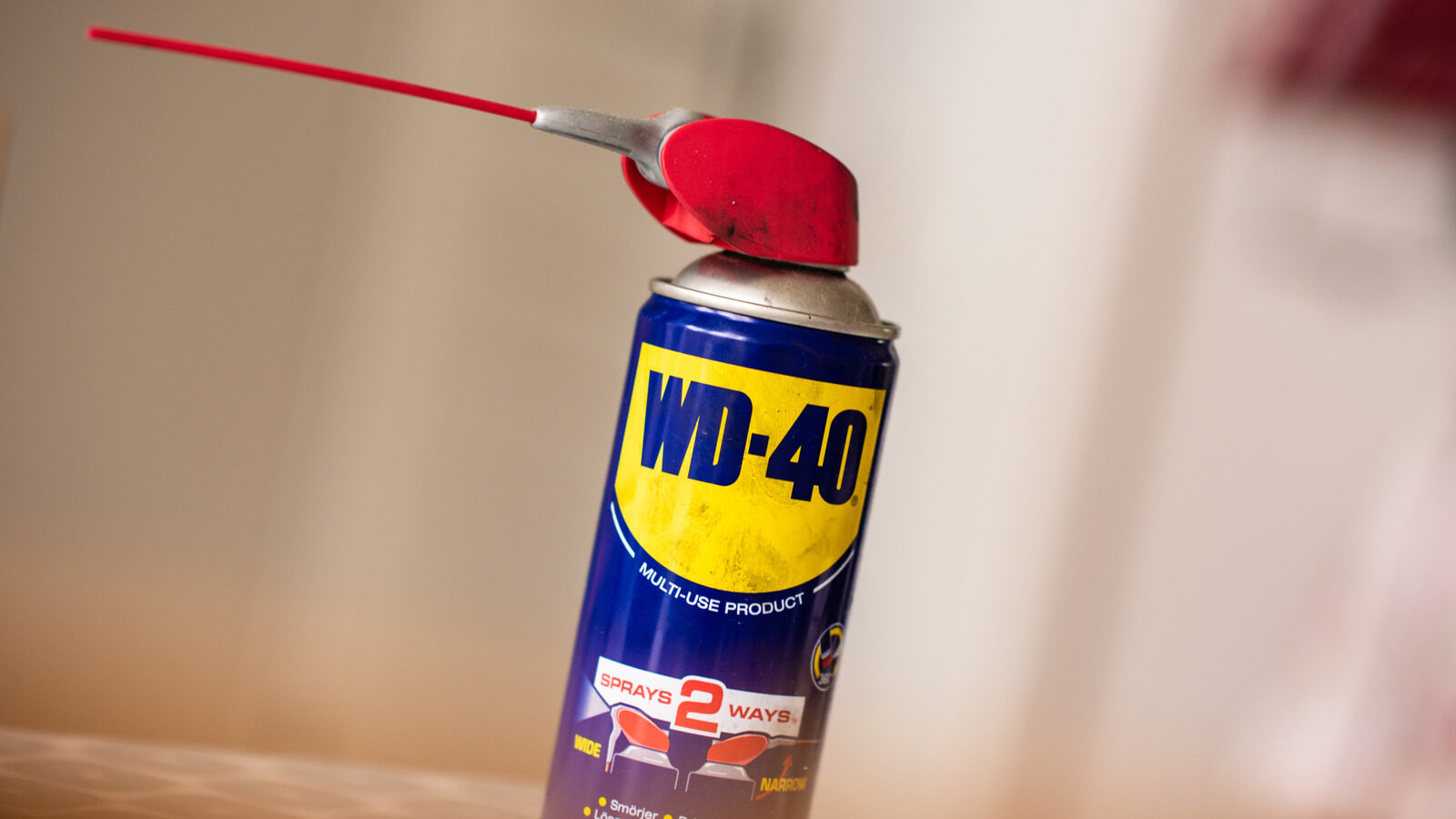

WD-40 has become a household name, known for its versatile applications, but is it always the right choice? While it can be incredibly useful for a variety of tasks, there are important limitations, particularly when it comes to certain types of plastic. Understanding these limitations can save you from costly mistakes and preserve your materials. Let’s delve deeper into the specifics of WD-40’s interaction with plastics.
Understanding WD-40’s Composition and History
WD-40, a multi-use product celebrated for its lubricating properties, was developed by the Rocket Chemical Company in San Diego back in 1953. The name itself, “WD-40,” stands for “Water Displacement, 40th formula,” reflecting the 40 attempts it took to create the perfect blend. Initially designed to protect aerospace components from rust, WD-40 has since evolved into a staple in many households and industries.
Its applications are vast, ranging from loosening rusted bolts to preventing squeaky hinges. The versatility of WD-40 is backed up by its rich history, which includes uses in military operations and disaster recovery efforts. It has even been reported to have over 2,000 different applications, showcasing its adaptability.
Why WD-40 and Certain Plastics Don’t Mix
A common misconception is that WD-40 can be used indiscriminately on any surface. However, this is far from the truth. Although it can effectively lubricate and protect many materials, certain plastics react negatively when exposed to WD-40.
For example, using WD-40 on PVC (polyvinyl chloride) pipes may seem logical for lubrication during assembly, but it can lead to detrimental effects. The hydrocarbons present in WD-40 can break down the polymers in PVC, polycarbonate, and polystyrene plastics, leading to weakened structures.
- PVC: Commonly used in plumbing, exposure can lead to cracks and leaks.
- Polycarbonate: Often found in eyewear lenses, it can become cloudy and brittle.
- Polystyrene: Used in packaging and disposable cups, it can lose integrity and shape.
The Science Behind Polymer Breakdown
To understand why WD-40 is harmful to certain plastics, it’s essential to grasp the basics of polymer chemistry. Polymers are composed of large molecules known as macromolecules, which are long chains of repeating units. These can be categorized into two types: amorphous and crystalline.
Amorphous polymers, such as PVC and polycarbonate, have a disordered structure that makes them vulnerable to chemical interactions with substances like WD-40. The aliphatic hydrocarbons in WD-40 can erode these polymers, leading to potential failure of the plastic items. In contrast, crystalline plastics like polypropylene and polyethylene are less susceptible to breakdown and can withstand exposure to WD-40.
Safe Practices When Using WD-40 on Plastics
While it is advisable to avoid using standard WD-40 on many plastics, there are specific guidelines to follow that can help you make safer choices:
- Identify the material: Always check the type of plastic before using WD-40.
- Opt for alternatives: Use lubricants specifically designed for plastic applications.
- Test on a small area: If unsure, apply WD-40 to a discreet area to observe any adverse reactions.
Additionally, WD-40 does offer specialized products formulated to be safe on plastics, which can be a better choice for those sensitive applications.
Examples of Safe and Unsafe Applications
To further clarify the use of WD-40, here are some examples of safe and unsafe applications:
| Application | Safe/Unsafe | Notes |
|---|---|---|
| Lubricating metal hinges | Safe | Effective for reducing friction and noise. |
| Cleaning eyeglass lenses | Unsafe | Can damage polycarbonate lenses. |
| Protecting tools from rust | Safe | Helps maintain tool condition. |
| Maintaining PVC pipes | Unsafe | Could lead to structural failure. |
Conclusion: Proper Use of Household Products
Understanding the limitations of products like WD-40 is crucial for effective maintenance and repair tasks. While it is undoubtedly a versatile tool in many situations, caution is necessary when it comes to certain materials, especially plastics. By adhering to safe practices and being informed, you can ensure that you are using WD-40 effectively without risking damage to your belongings.