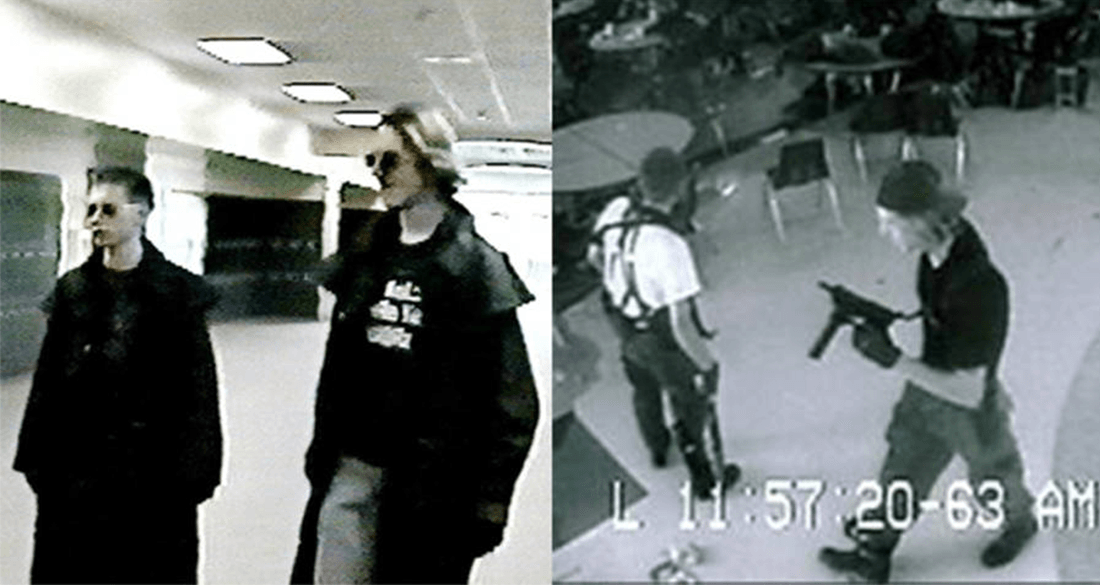

The Columbine High School massacre remains a deeply unsettling event in American history. In the immediate aftermath of the tragedy, the media painted a picture of Eric Harris and Dylan Klebold as outcast teenagers driven by hatred, fueled by a subculture known as the Trench Coat Mafia. This narrative, however, has since been widely debunked.
The truth behind the Columbine massacre is far more complex and nuanced than initially portrayed. While Harris and Klebold did wear trench coats, their connection to any organized group was tenuous at best. The so-called Trench Coat Mafia was a loose collection of students who shared an interest in computer games and science fiction, not a sinister organization plotting violence. In fact, many members of this group were shocked and horrified by the events that unfolded on April 20, 1999.
Harris and Klebold’s motivations were rooted in their own personal struggles with mental illness. Both exhibited disturbing thoughts and behaviors leading up to the massacre. Evidence points towards a deep-seated resentment towards society, coupled with feelings of isolation and alienation. While they may have been influenced by violent media and online forums, it’s crucial to remember that they ultimately chose to carry out their horrific act themselves.
Debunking the Trench Coat Mafia Myth
The idea of a shadowy Trench Coat Mafia, a group of teenagers shrouded in mystery and fueled by hatred for mainstream society, quickly gained traction in the wake of the Columbine tragedy. This narrative, however, was largely based on misinformation and speculation. The media latched onto the fact that both Eric Harris and Dylan Klebold wore trench coats, associating them with an imagined subculture of rebels and outcasts.
The truth is, the so-called Trench Coat Mafia was a far cry from the sinister organization it was portrayed to be. It was primarily a group of students who shared an interest in computer games, science fiction, and dark humor. They wore trench coats as a fashion statement, a way to express their individuality within the sometimes rigid confines of high school. There’s no evidence to suggest they engaged in any criminal activity or plotted violence beyond their own individual acts.
In reality, Harris and Klebold were deeply troubled individuals who struggled with mental illness and alienation. They gravitated towards certain online communities and media that fueled their violent fantasies, but they were not members of any organized group responsible for inciting them to violence. The Columbine tragedy serves as a stark reminder to be critical of information, especially in the immediate aftermath of a traumatic event. Jumping to conclusions based on limited information can perpetuate harmful myths and distract from understanding the complex realities behind such tragedies.
Harris and Klebold: Victims or Perpetrators?
The question of whether Eric Harris and Dylan Klebold were victims or perpetrators is a complex one that continues to be debated. In the aftermath of the Columbine massacre, some argued that they were bullied teenagers driven to violence by their peers. However, evidence suggests that this wasn’t the case. While both Harris and Klebold experienced social isolation and struggled with mental health issues, there’s no evidence to suggest they were systematically targeted or tormented by others at school.
Their actions were undeniably horrific, but understanding their motivations helps shed light on the tragedy. Both exhibited disturbing thoughts about violence long before the massacre, revealing a deep-seated resentment towards society and an unsettling fascination with death. They created detailed plans for their attack, meticulously documenting their intentions in journals and online forums. Their desire for notoriety and infamy played a significant role in their actions, as they sought to leave a lasting mark on the world through sheer brutality.
It’s crucial to remember that while empathy is important, it doesn’t excuse violence. Harris and Klebold made a conscious decision to commit a horrific act that took innocent lives. While exploring their motivations can offer valuable insights into the complexities of human behavior, it’s essential to acknowledge the devastating impact of their actions on the victims and their families.
Understanding the Attack’s Scope and Failure
The Columbine massacre was meticulously planned by Harris and Klebold, who envisioned a larger-scale attack that extended beyond the confines of the high school. They aimed to create chaos and carnage, targeting not only students but also faculty and staff within the building. Their plan included a complex arsenal of explosives designed to disrupt the school’s structure and trap those inside.
Despite their meticulous planning, several factors contributed to the failure of their larger attack. Their homemade bombs proved unreliable, failing to detonate as intended. This setback forced them to shift their focus towards a more immediate plan, one that involved armed confrontation with students and staff within the cafeteria and library.
Ultimately, their misguided actions resulted in the tragic deaths of twelve students and one teacher. The attack left a lasting scar on the community and sparked national conversations about gun control, mental health awareness, and the influence of violent media. While their initial plan was thwarted, the Columbine massacre served as a stark reminder of the potential for violence when individuals are consumed by hatred and despair.
Police Response & Misinformation
The initial police response to the Columbine massacre was hampered by confusion and misinformation. Officers arrived at the scene unaware of the full extent of the situation, treating it as a hostage standoff rather than an active shooter event. This misjudgment proved costly, delaying crucial action that could have potentially saved lives.
Communication breakdowns further complicated matters. Law enforcement officials struggled to coordinate their efforts, leading to inconsistencies in information shared with the public and even among responding officers. The pervasive fear and chaos fueled by the unfolding tragedy only exacerbated these challenges, making it difficult for authorities to assess the situation accurately and respond effectively.
This delayed response highlights the importance of clear communication protocols and rapid information sharing during such critical events. The Columbine massacre served as a stark reminder that in high-stress situations, swift and decisive action based on accurate information is paramount.
Lessons Learned from Columbine
The Columbine tragedy forced society to confront the difficult realities of school violence and its underlying causes. It sparked a national conversation about mental health awareness, stricter gun control measures, and the impact of violent media on young minds. While no single solution can prevent such tragedies from recurring, the lessons learned from Columbine have undoubtedly shaped policies and practices aimed at enhancing school safety and fostering a more supportive environment for students.
Increased security measures became commonplace in schools across the nation, including enhanced surveillance systems, stricter access controls, and active shooter drills. Mental health resources were expanded to provide early intervention and support for students struggling with emotional distress. The tragedy also led to greater awareness of the warning signs of potential violence and the importance of reporting suspicious behavior.
Despite these advancements, the specter of school shootings continues to loom over communities. Columbine serves as a poignant reminder that preventing such tragedies requires a multi-faceted approach encompassing individual responsibility, community support, and systemic change. It underscores the need for ongoing dialogue, education, and compassion in addressing the complex issues that contribute to violence.