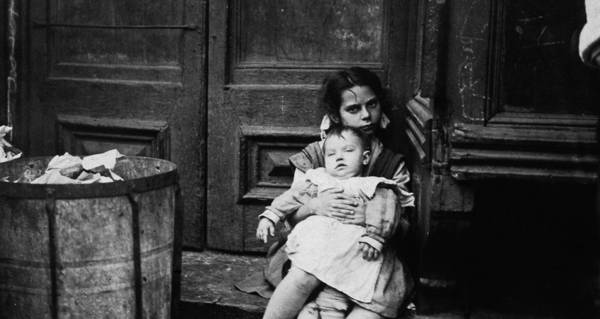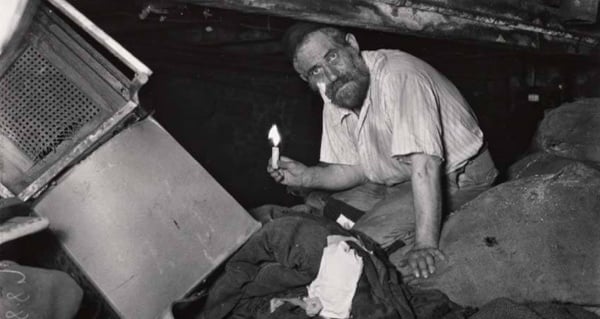

Life in New York City at the turn of the 20th century was a melting pot of cultures and dreams. Waves of European immigrants arrived seeking opportunity and a better life. However, their journey often began in cramped and unforgiving conditions within tenements, buildings that housed families from all walks of life. These structures, designed primarily for profit rather than comfort, offered little respite from the harsh realities of urban poverty.
The allure of the “American Dream” drew countless individuals to these bustling cities, promising a brighter future. Yet, many found themselves crammed inside tenements, sharing meager living spaces with strangers. Imagine families squeezed into tiny apartments, often with no access to basic sanitation or running water. The conditions were deplorable, a far cry from the hopes and aspirations they had carried across the ocean.
The stories of these immigrants are a testament to their resilience and determination in the face of adversity. Despite the difficult circumstances, they persevered, building new lives while navigating the challenges of poverty, language barriers, and cultural differences.
Life in NYC’s Tenements
Life inside a tenement was a constant struggle against the odds. Space was at a premium, with families often sharing cramped rooms and relying on makeshift furniture to maximize every inch. A typical day would involve waking up in a dimly lit room, perhaps sharing it with several other family members. The air could be thick with the smell of cooking and unwashed clothes, as privacy was a luxury few could afford.
The lack of basic sanitation posed a constant threat to health. A single backyard spigot served as the primary water source for an entire building, leading to long queues and a shortage of clean water for drinking, cooking, and washing. Toilets were often rudimentary outhouses, shared by dozens of residents, and chamber pot waste would sometimes be unceremoniously thrown out windows – creating unsanitary conditions on the streets below.
Despite these hardships, life inside NYC’s tenements was also a vibrant tapestry of shared experiences. Neighbors relied on each other for support, exchanging meals, childcare, and advice. Communal spaces like courtyards provided a sense of community, where children played and adults gathered to socialize. Language barriers were often overcome through gestures, laughter, and the universal language of human connection.
Horrific Living Conditions
Stepping into a tenement was like entering a world of shadows and despair. Rooms were often dark and poorly ventilated, with windows that offered little respite from the suffocating heat in summer and the frigid cold in winter. The air itself felt heavy with the smell of dampness, cooking oil, and unwashed bodies. Imagine trying to sleep on a thin mattress in a crowded room, constantly aware of the noise and activity around you – a cacophony of coughing, crying babies, and neighbors arguing late into the night.
Disease was rampant within these overcrowded dwellings. Contaminated water sources, poor sanitation, and inadequate ventilation created a breeding ground for illnesses like tuberculosis, typhoid fever, and cholera. With limited access to healthcare, many families faced agonizing choices between seeking treatment they couldn’t afford or enduring unimaginable suffering at home. The constant threat of sickness hung over every aspect of life inside the tenements, casting a long shadow over their hopes for a better future.
Even basic necessities were scarce. Families often went without adequate food, relying on cheap, unhealthy staples to stretch meager budgets. Clothing was patched and worn, offering little protection from the harsh elements. Imagine children playing in cramped courtyards, covered in dirt and grime, with only tattered toys for company. Life inside a tenement was a brutal reminder of poverty’s grip, where survival itself often felt like a monumental victory.
Push for Reform and Incremental Change
The deplorable conditions within tenements could not remain ignored forever. Public outcry grew as journalists and reformers exposed the horrifying realities of urban poverty through exposés and photographs. These powerful images shocked the conscience of a nation and sparked calls for reform. The plight of the immigrants struggling to survive in these overcrowded buildings became a rallying cry for social change.
The fight for better living conditions was met with resistance from landlords who prioritized profits over human welfare. They argued that stricter regulations would stifle economic growth and burden property owners. However, public pressure eventually forced lawmakers to take action. The 1867 Tenement House Act mandated one outhouse for every 20 residents, but its lack of enforcement proved largely ineffective. It wouldn’t be until the early 20th century that significant progress was made.
The 1901 Tenement House Act introduced crucial changes, requiring at least one window per bedroom and a private bathroom per apartment. Toilets were finally mandated in 1904, but even then, landlords often found ways to circumvent these regulations. The introduction of electricity in 1918 was a landmark achievement, bringing light and modernity into the dark corners of tenements. Although these reforms were incremental and came at a slow pace, they represented a significant step towards improving the lives of those living in these overcrowded structures.
Public Housing: The End of an Era
The Great Depression brought about a renewed focus on social welfare, leading to the creation of public housing projects as a way to alleviate poverty and provide safe, affordable homes for low-income families. These initiatives aimed to offer a stark contrast to the overcrowded and unsanitary conditions found in tenements, providing residents with access to modern amenities and communal spaces.
The introduction of public housing in 1936 marked a turning point in American urban history. It signaled the beginning of the end for the tenement era, offering a glimmer of hope for those who had long endured the hardships associated with these overcrowded dwellings. Families finally had access to clean water, sanitation facilities, and adequate living spaces – a far cry from the cramped and often dangerous conditions they had previously faced.
While public housing projects were not without their own challenges, they represented a significant step forward in addressing urban poverty and improving the lives of millions. The legacy of these projects continues to shape American cities today, serving as a reminder of the ongoing struggle for equitable housing opportunities.
A Legacy of Struggle
The story of life in NYC’s tenements is a powerful reminder of the resilience of the human spirit in the face of adversity. Immigrants poured their hopes and dreams into these crowded buildings, building communities and forging new lives despite unimaginable hardships. Their struggle for basic necessities like sanitation, safe living conditions, and access to healthcare laid bare the social inequalities of the time.
While the tenement era has long ended, its legacy continues to shape our understanding of urban poverty and the challenges faced by marginalized communities. The photographs from that period serve as haunting reminders of a darker chapter in American history, urging us to remember those who paved the way for progress. The fight for affordable housing and equitable living conditions remains a pressing issue today, echoing the struggles of those who once called tenements home.
We must learn from the past to create a more just and inclusive society for all. The story of life inside tenements is a testament to the enduring human spirit, reminding us that even in the darkest of times, hope and resilience can prevail.