
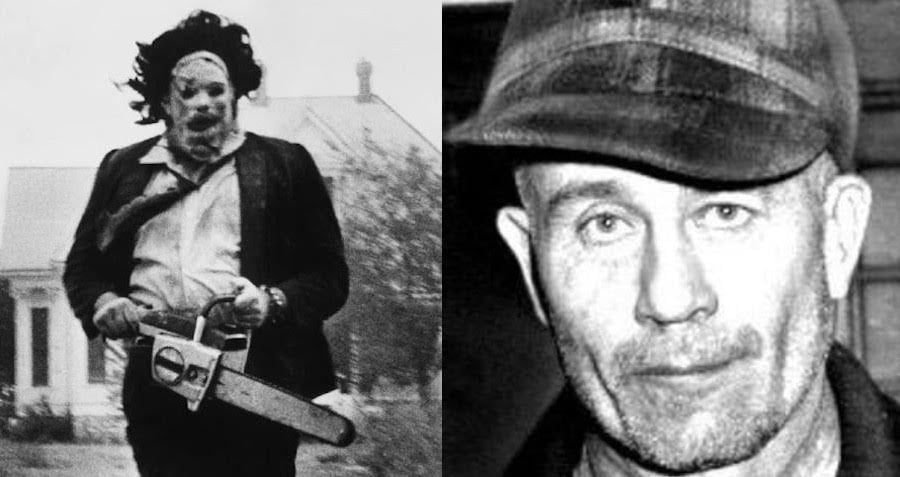

Horror movies often tap into our deepest fears and fascinations. The Texas Chain Saw Massacre is a prime example, sending shivers down spines with its terrifying portrayal of a cannibalistic family terrorizing innocent travelers. But did you know this iconic film wasn’t entirely born from fiction? It’s a chilling blend of real-life events and the twisted minds that inspired it.
While many elements are fictional creations, director Tobe Hooper drew heavily on unsettling true stories to craft his masterpiece. Ed Gein and Elmer Wayne Henley, notorious figures in criminal history, provided a foundation of gruesome inspiration. Think about it: furniture crafted from human remains, masks fashioned from skin – the chilling reality of these crimes fuelled Hooper’s imagination.
Hooper himself even admitted that his own experiences while Christmas shopping, picturing a chainsaw cutting through the holiday crowd, sparked the iconic weapon we associate with Leatherface. The film doesn’t shy away from its real-life roots, weaving them into the fabric of a terrifying narrative that has stayed with audiences for decades. It’s a reminder that sometimes, the line between fiction and reality is frighteningly thin.
Ed Gein: The Butcher of Plainfield
Let’s talk about Ed Gein, a name synonymous with horror and the infamous “Butcher of Plainfield.” This Wisconsin native terrorized the local community in the 1950s with his gruesome crimes. Imagine this: Gein would dig up corpses from graves, desecrate them, and use their remains to create disturbing objects. He fashioned clothing from skin, trophies from bones, and even attempted to craft a “woman suit” out of human body parts. The sheer audacity and macabre nature of his actions sent shockwaves through society.
Gein’s twisted world stemmed from an upbringing steeped in isolation and religious fanaticism. His mother’s domineering presence and strict beliefs likely played a role in shaping his warped worldview. He felt trapped by the confines of rural life and sought solace in the macabre, blurring the lines between reality and fantasy.
The discovery of Gein’s crimes in 1957 was met with widespread horror and disbelief. His case became a media sensation, drawing comparisons to fictional villains like Freddy Krueger and Jason Voorhees before their time. Ed Gein‘s legacy lives on as a chilling reminder of the darkness that can lurk within seemingly ordinary individuals.
Elmer Wayne Henley and Dean Corll
Moving from Wisconsin to Texas, we encounter another chilling duo: Elmer Wayne Henley and Dean Corll. This pair’s story is a disturbing blend of manipulation, violence, and ultimately, betrayal. Corll, known as “The Candy Man,” lured young boys with promises of work or treats, leading them into his home where he would torture and kill them alongside Henley.
Henley, initially drawn to Corll’s charismatic personality and seemingly generous nature, became deeply involved in the horrifying scheme. He acted as a recruiter, luring victims with false promises, and even participated in the murders. Imagine the chilling dynamic: a young man trapped between fear and complicity, drawn into a spiral of violence he couldn’t escape.
However, Henley’s involvement eventually turned against Corll. In a horrifying twist of fate, Henley, fearing for his own life and seeking retribution, killed Corll in 1973, putting an end to the reign of terror that had gripped Houston. His actions, while born from desperation, brought closure to the families of the victims and served as a stark reminder of the darkness that can lurk beneath seemingly ordinary exteriors.
Tobe Hooper’s Inspiration
While the real-life horrors of Gein and Henley provided a foundation for “The Texas Chain Saw Massacre,” director Tobe Hooper added his own unique touch to the film. He wasn’t just drawing inspiration from events; he was channeling a sense of unease and primal fear into his vision. Think about it: Hooper, while Christmas shopping himself, imagined wielding a chainsaw through the crowded aisles – that image alone sparked the iconic weapon we associate with Leatherface.
But the director’s inspiration didn’t stop there. He drew on personal experiences, memories of chilling medical imagery, and a fascination with rural Americana to create a truly unsettling atmosphere. Imagine a doctor wearing a mask made from a cadaver – that disturbing image contributed to the development of Leatherface’s terrifying persona.
Hooper’s brilliance lies in his ability to weave these disparate threads together, creating a tapestry of horror that feels both grounded in reality and utterly terrifying in its imagination. His film isn’t just about blood and gore; it’s about the darkness that can reside within seemingly ordinary individuals, and the primal fears we all carry with us.
Crafting Leatherface
Leatherface, the iconic chainsaw-wielding villain of “The Texas Chain Saw Massacre,” isn’t just a terrifying figure—he’s a carefully crafted embodiment of primal fear and societal anxieties. Tobe Hooper meticulously built this character from various sources of inspiration, blending real-life horrors with fictional elements to create a truly unforgettable antagonist.
Think about the image: a hulking brute with a grotesque mask made from human skin, wielding a chainsaw with terrifying intent. This disturbing visage was partly inspired by Ed Gein’s macabre practices and Hooper’s own unsettling memory of a doctor wearing a cadaver mask. But Leatherface is more than just a collection of gruesome details. He represents the fear of the unknown, the vulnerability we feel when confronted with raw violence, and the darkness that can lurk beneath the surface of civilization.
Hooper understood that true horror lies not just in gore but in tapping into our deepest fears—the fear of loss of control, the vulnerability of innocence, and the unsettling realization that evil can exist in seemingly ordinary places. Leatherface embodies these anxieties, making him a chillingly effective antagonist that continues to haunt viewers decades later.
Beyond the Screen
The impact of “The Texas Chain Saw Massacre” extends far beyond the screen. It’s become a cultural phenomenon, inspiring countless imitators, sequels, and even academic analysis. Its influence can be seen in everything from horror movies to video games, solidifying its place as a cornerstone of modern horror cinema.
But beyond its cinematic legacy, the film sparked important conversations about the nature of violence, rural isolation, and the dark side of American society. It served as a cautionary tale about the potential for evil lurking beneath the surface of normality, prompting audiences to confront their own fears and anxieties.
Even today, “The Texas Chain Saw Massacre” continues to resonate with viewers on a deeply personal level. Its terrifying imagery, unsettling atmosphere, and thought-provoking themes ensure that it remains a relevant and relevant work of art—a chilling reminder of the darkness that can exist within us all.