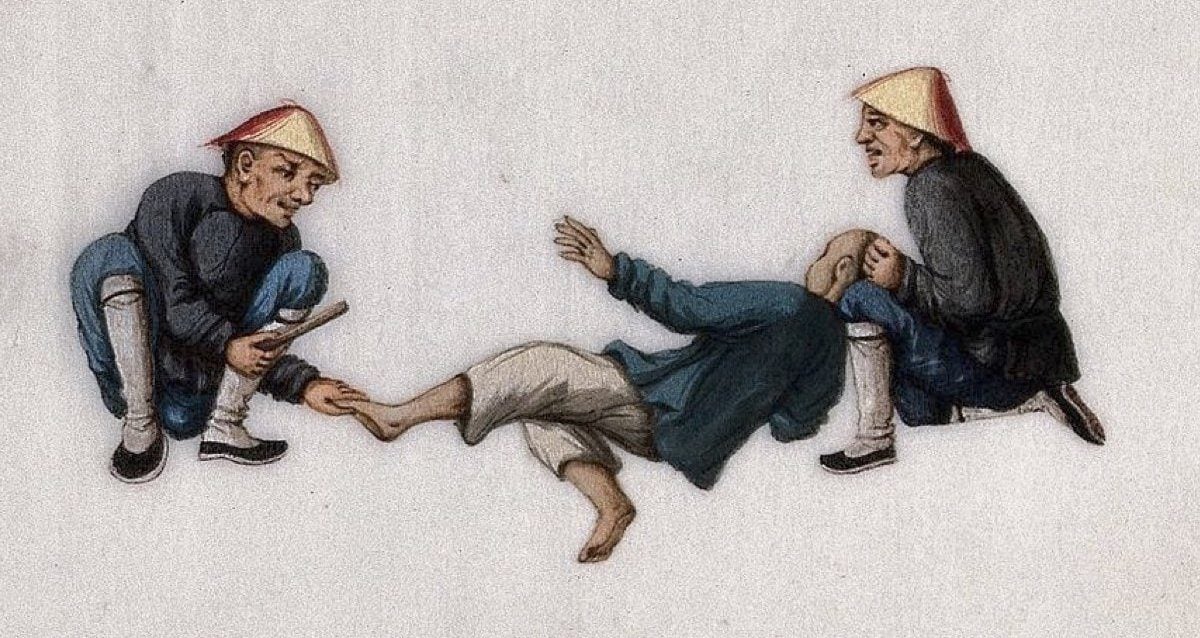

Let’s talk about something that seems lighthearted but can have a dark side: tickle torture. You might be thinking, “How bad can tickling be?” After all, it usually brings laughter and joy. But throughout history, tickle torture has been used as a method of punishment and interrogation, leaving victims in pain and distress.
It’s fascinating how something seemingly harmless can cause such strong physical reactions. When you’re tickled, your body involuntarily tenses up, laughs, and squirms. This makes it hard to move and can be incredibly uncomfortable, especially when prolonged. Think about the last time someone tickled you – that uncontrollable giggle and feeling of helplessness? That’s what we’re talking about here.
This history of tickle torture is a reminder that even seemingly innocent acts can be twisted into something cruel. It highlights the complex relationship between pleasure and pain, and how our bodies react to stimulation in unexpected ways.
Tickle Torture Throughout History
The history of tickle torture is surprisingly long and spans across many different cultures. You might be surprised to learn that powerful regimes throughout history have used it as a tool for punishment and interrogation. The Han dynasty in China, the Roman Empire, even Nazi Germany – all have accounts suggesting they utilized this method to break down their victims.
Take the Romans, for example. They were known for their particularly brutal form of tickle torture involving goats licking salt off a victim’s feet. Can you imagine that? The combination of tickling and the irritating salt would cause immense pain and discomfort. It just goes to show how far people have gone to use this seemingly innocent act as a weapon.
Throughout history, records suggest that tickle torture may have even been used for sexual gratification in some circles. There are rumors about figures like Catherine the Great enjoying tickle play, blurring the lines between pleasure and pain even further.
The Physiology of Tickling and Pain
So why does tickling have such a powerful effect on us? It all comes down to our nervous system. When you’re tickled, your skin senses the touch and sends signals to your brain, triggering involuntary reactions like laughter and muscle spasms. It’s like your body’s built-in defense mechanism against unwanted touch – a way of trying to disengage from something that feels uncomfortable.
Interestingly, philosophers have long debated the relationship between pleasure and pain when it comes to tickling. While it often evokes laughter and joy, there’s also a sense of discomfort and even fear involved. Think about it – being unable to control your body’s responses can feel pretty unsettling! This duality highlights the complex way our brains process sensations and how something seemingly lighthearted can tap into both pleasure and pain pathways.
The key takeaway here is that tickling isn’t just a simple sensation; it involves a intricate interplay of physical and emotional responses.
Methods and Brutality of Tickle Torture
Throughout history, the methods used for tickle torture have been as varied as the cultures that employed them. Some involved simple tickling with feathers or fingers, while others were far more elaborate and brutal. Imagine being suspended from a rope and constantly tickled, or having your skin rubbed raw with rough brushes – these are just a few examples of the horrors inflicted upon victims.
One particularly disturbing method involved using goats to lick salt off a victim’s feet. The combination of tickling and the irritating salt would cause intense pain and discomfort, leaving lasting physical and psychological scars. It highlights the lengths people have gone to in order to inflict pain and control through something as seemingly innocent as tickling.
These brutal techniques demonstrate that tickle torture wasn’t just a playful act; it was a deliberate attempt to break down victims both physically and mentally. It serves as a chilling reminder of how power can be abused, even through seemingly harmless methods.
Psychological Impact and Consequences
The psychological impact of tickle torture can be profound and long-lasting. Being unable to control your body’s reactions, feeling trapped and helpless – these experiences can lead to feelings of anxiety, fear, and even post-traumatic stress disorder (PTSD). It’s a violation of our sense of autonomy and safety that can have lasting effects on a person’s mental well-being.
The experience of tickle torture can also shatter trust and create a deep sense of vulnerability. Victims may struggle to feel safe in social situations, fearing that they could be subjected to similar abuse again. It can lead to isolation and difficulty forming healthy relationships, as the trauma lingers in their memories.
It’s important to remember that the psychological scars left by tickle torture are real and significant. Healing from such trauma requires professional help and a supportive environment where victims feel safe to share their experiences and begin the process of recovery.
Tickle Play: Abuse and Domestic Settings
While tickle torture is often associated with historical accounts and power dynamics, it can also occur in more familiar settings, like within families. What starts as playful tickling between siblings can quickly turn abusive if one person uses it to control or dominate the other. This can be especially harmful to children who may not understand boundaries or feel comfortable speaking up against an older sibling or parent.
It’s crucial to remember that consent is essential in any physical interaction, even something seemingly lighthearted like tickling. If someone expresses discomfort or says “stop,” it’s important to respect their wishes. Using tickle play as a form of punishment or coercion crosses the line from playful fun into abuse.
Recognizing the signs of potential tickle abuse is important for protecting vulnerable individuals. Look out for behaviors like excessive laughter that seems forced or insincere, reluctance to engage in tickling situations, or physical signs of discomfort like muscle tension or avoidance. If you suspect someone is being subjected to tickle abuse, it’s essential to seek help from a trusted adult or professional.