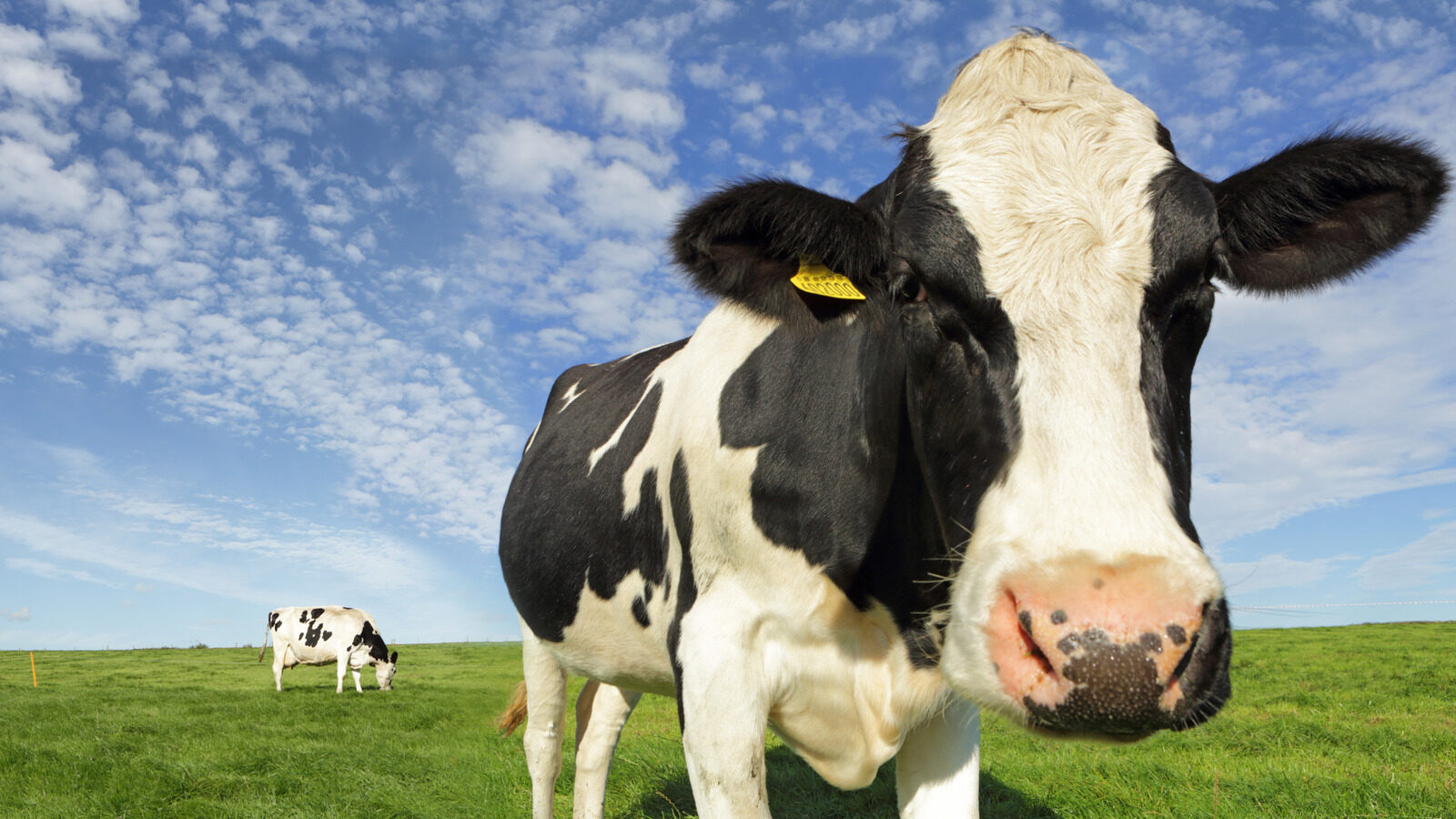
Have you ever noticed a bunch of cows lying down in a field and wondered if that meant rain was on its way? This belief is a common piece of folk wisdom, particularly in rural areas where cattle grazing is part of the landscape. Such myths about animal behavior and weather prediction have persisted for generations, but how much verdad do they actually hold? In this article, we will delve into the origins of this belief, its implications, and the reality behind the behavior of cows.
Understanding the myth: Do cows predict rain?
The notion that cows lying down signal impending rainfall is widely circulated, yet it lacks scientific backing. This idea falls into a broader category of traditional weather forecasting methods that rely on animal behavior. While some old sayings have a basis in observable phenomena—like the link between a red sunrise and stormy weather—this particular myth about cattle is more folklore than fact.
Various pseudoscientific explanations have been proposed to support the idea that cows can sense rain before it arrives. For instance, some suggest that cows lie down to preserve a dry patch of grass, while others argue it’s a response to changes in atmospheric pressure or an attempt to conserve body heat. However, these theories are not substantiated by scientific evidence. The reality is that cows lie down for many reasons, and rain is likely just a coincidence.
Behavior patterns of cows: Why do they lie down?
Cows are known to spend a significant portion of their day lying down—up to 12 hours, in fact. This behavior is not as dramatic as it sounds; it’s a natural part of their routine. Understanding the reasons behind this behavior can provide insight into their overall health and well-being.
- Rest and recuperation: Cows require rest to maintain their health, although their sleep patterns differ from humans. They take short naps and achieve REM sleep only when lying down.
- Chewing cud: A crucial part of a cow’s digestion involves regurgitating food to chew it again, allowing them to extract maximum nutrients from their fibrous diet. They spend about eight hours daily chewing cud, often lying down to do so.
- Herd behavior: Cows are social animals and tend to mimic the actions of their companions. If one cow lies down, others in the herd are likely to follow, regardless of the weather.
These factors contribute to the misconception that cows are reacting to a change in weather. In reality, their behavior is more about comfort and routine than it is about predicting rain.
The physiological needs of cows
Cows, like all animals, have specific physiological needs that influence their behavior. Understanding these needs can help clarify why cows might be found lying down in various weather conditions, including sunny, rainy, or foggy days.
- Temperature regulation: Cows have a natural ability to regulate their body temperature, but they may lie down to avoid overheating in the sun or to retain warmth during cooler weather.
- Digestive health: Lying down aids in the digestive process, allowing cows to ruminate effectively, which is vital for their nutrition.
- Resting periods: As mentioned, cows do not sleep as humans do; they experience short bursts of rest throughout the day, often lying down to recharge.
These physiological needs are essential for the overall health of the cow and can explain their behavior in a variety of weather conditions.
Exploring other animal behaviors in weather prediction
While the myth about cows may not hold true, animal behavior has often been looked at for clues about weather changes. Many other species exhibit signs that are more reliably linked to environmental shifts. Here are a few examples:
- Birds: Certain birds may fly lower to the ground before a storm, as changes in air pressure can affect their flight patterns.
- Insects: Some insects, such as ants, are known to seek shelter or display altered behavior when they sense a change in weather.
- Frogs: Frogs often croak more loudly before rain, which can signal a moisture change in the environment.
These behaviors are often more closely tied to the physiological and environmental changes occurring in their surroundings, unlike the anecdotal evidence associated with cows.
Importance of understanding animal behavior
Understanding the behaviors of animals, including cows, is crucial not only for farmers and livestock handlers but also for improving animal welfare and management practices. By recognizing the natural instincts and needs of cows, farmers can create better living conditions that promote health and productivity.
Investing in knowledge about these behaviors can lead to:
- Improved animal welfare: Recognizing the need for rest and comfort can enhance the overall well-being of cows.
- Increased productivity: Healthy, well-rested cows are more productive in terms of milk production and growth.
- Better management practices: Understanding animal behavior helps inform better feeding, housing, and husbandry practices.
In conclusion, while the myth that cows lying down predicts rain may be appealing, it is ultimately unfounded. By understanding the real reasons behind this behavior, we can appreciate cattle more fully and ensure their needs are met. In doing so, we also debunk myths and promote a more scientifically accurate view of animal behavior in relation to weather patterns.