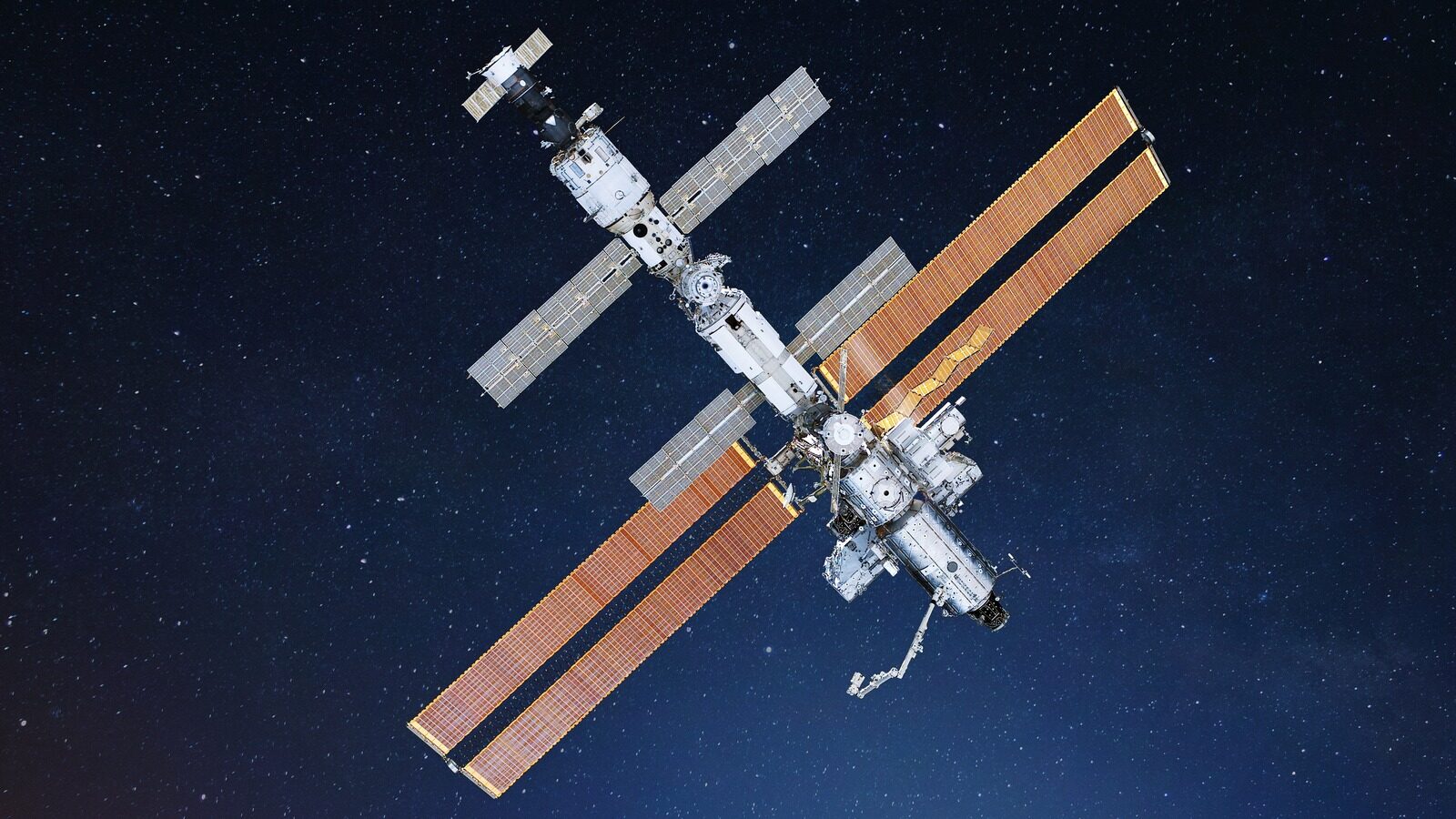

The International Space Station (ISS) has been a monumental achievement in human space exploration and collaboration. However, as with all things, its remarkable journey is approaching an inevitable conclusion. What happens next for this orbiting laboratory? The answer lies in a carefully planned deorbiting process that will lead it to a watery grave.
Launched in 1998 and continuously inhabited since 2000, the ISS has served as a hub for scientific research, hosting almost 300 astronauts from 26 countries. This collaborative effort has cost over $100 billion, making it one of the most ambitious projects in human history. Yet, as technological advancements accelerate, the aging ISS is becoming increasingly obsolete. Its eventual demise is not just a matter of wear and tear; it’s a reflection of the rapidly advancing space technology that will shape the future of human exploration beyond low Earth orbit.
The final resting place of the ISS
NASA and its international partners have explored various options for decommissioning the ISS. Initially, one proposal involved moving the station to a higher orbit, allowing it to drift away. However, this posed significant risks; without regular maintenance, the ISS could suffer catastrophic failures, leading to debris raining down on populated areas. Another idea was to dismantle the ISS in space and return its components to Earth, but this would be prohibitively expensive and logistically complex.
Ultimately, the most feasible solution is a controlled descent into the ocean. The primary concern is ensuring that the ISS lands in an uninhabited area to mitigate the risk of accidents. Thankfully, Earth’s atmosphere will assist in this process, as much of the ISS will burn up during reentry due to friction. Nevertheless, larger pieces will survive this fiery descent.
These remnants will make their way to Point Nemo, the most remote location on Earth, situated over 1,500 miles from the nearest land. Also known as the “oceanic pole of inaccessibility,” Point Nemo has historically been used as a graveyard for decommissioned spacecraft, including the Soviet space station Mir. Its isolation and minimal marine life make it an ideal dumping ground for space debris. The ISS will join this collection of technology, marking the end of an era.
The deorbiting process: a step-by-step breakdown
The deorbiting of the ISS is a multi-step process that requires precise planning and execution. Here’s how it will unfold:
- Final crew departure: After the last astronauts leave the ISS, it will remain in orbit for about a year.
- Natural orbital decay: The lack of maintenance will cause the ISS’s orbit to gradually decrease.
- Deorbit vehicle launch: A specialized deorbit vehicle will be sent to attach to the ISS.
- Final push: The deorbit vehicle will align the ISS towards its target in the South Pacific and initiate its descent.
This methodical approach underscores the importance of safety and precision in such a monumental task. The ISS’s deorbiting will not be the first of its kind; however, it will be the largest and most complex operation of its type to date.
The role of private companies in the future of space
As the ISS prepares for its final journey, a new chapter in human space exploration is unfolding. NASA has shifted its strategy, opting not to replace the ISS with another government-operated space station. Instead, the agency plans to collaborate with private companies to establish a new era of commercial space stations. This trend is indicative of a broader shift in the industry.
For instance, SpaceX has been at the forefront of this change, working on the deorbit vehicle for the ISS. The increasing involvement of private companies in space exploration signals a future where multiple entities, both governmental and commercial, will operate space stations and explore beyond low Earth orbit.
What comes after the ISS?
With the impending decommissioning of the ISS, many private and public entities are stepping up to fill the void. Countries such as China have developed their own space stations, like the Tiangong Space Station launched in 2021, showcasing their commitment to space exploration. The future will likely see a variety of space stations, each serving different scientific and commercial purposes. This diversity may foster international collaboration on an unprecedented scale.
As we move forward, several key players are emerging in the space station landscape:
- Private companies: Companies like SpaceX and Blue Origin are leading the charge, developing technologies and missions for space habitats.
- International collaborations: Countries around the world are forming partnerships to share resources and expertise in space exploration.
- New technologies: Advancements in robotics, life support systems, and sustainable practices will be crucial for operating future stations.
The ISS’s legacy will undoubtedly impact how humanity approaches the cosmos in the coming years. As we prepare for its farewell, it’s essential to reflect on its contributions while looking forward to the new opportunities that await us beyond Earth’s orbit.