In an era where biodiversity is continually under threat, every new discovery adds essential knowledge to our understanding of ecosystems. One recent finding has unveiled a fascinating species that had been hiding in plain sight within aquariums for nearly 20 years. This colorful crayfish, known scientifically as Cherax pulverulentus, not only brings vibrancy to home tanks but also carries significant implications for conservation and biodiversity studies.
Understanding Cherax pulverulentus: A breakthrough in crustacean classification
Every year, scientists classify between 15,000 and 18,000 new species. While many of these discoveries capture public interest, others remain relatively obscure, including numerous plants and fungi. The recent identification of Cherax pulverulentus exemplifies how closely examining familiar organisms can lead to groundbreaking discoveries. This species had been kept as a pet without any awareness of its unique status.
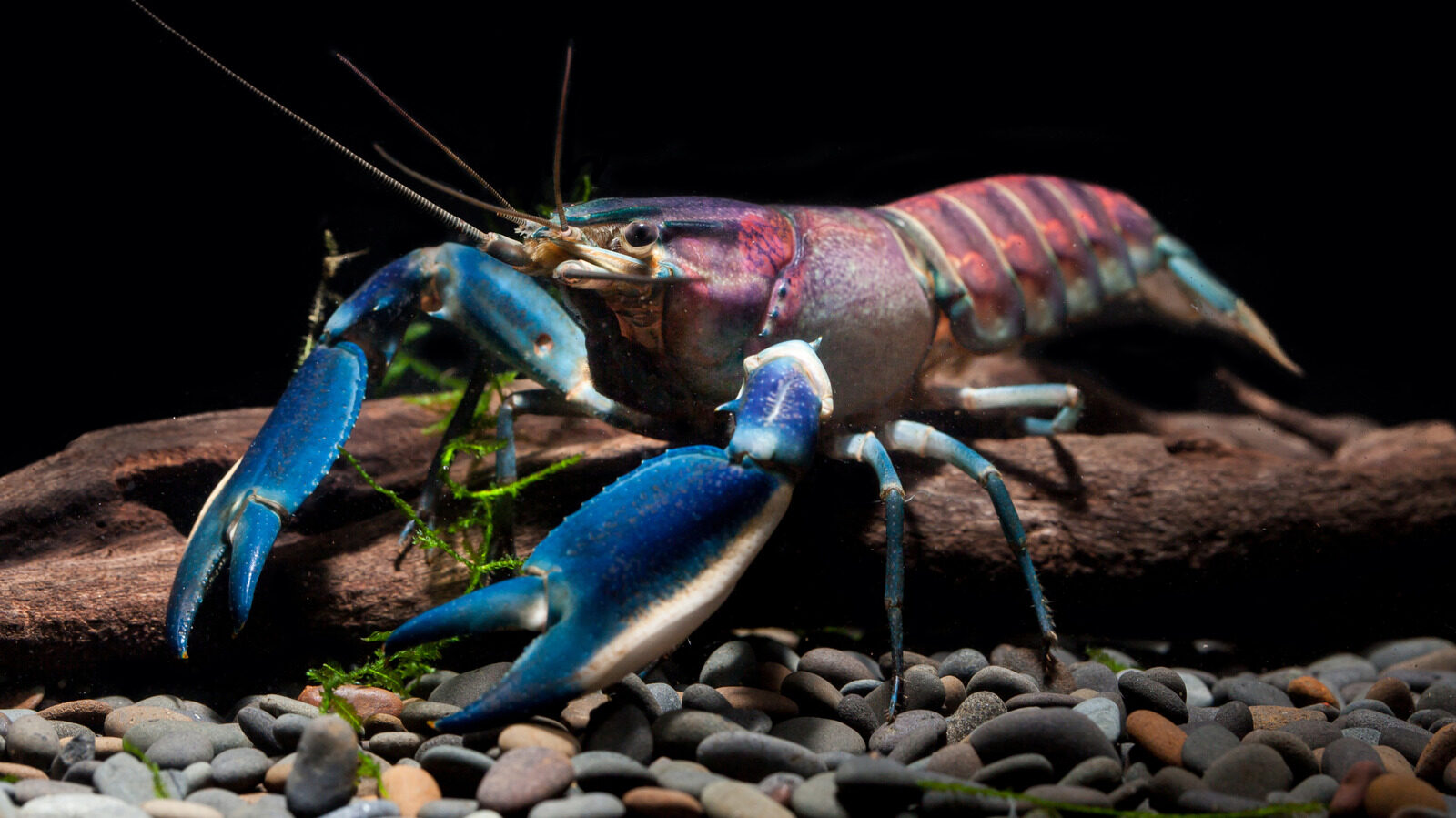
In the early 2000s, aquarium enthusiasts discovered a new type of crayfish being exported from Indonesia under catchy names like “Blue Moon,” “Hoa Creek,” and “Irian Java.” These colorful crustaceans quickly gained popularity due to their striking blue and purple hues. However, the absence of a scientific name left many questions unanswered. In 2023, a research team from Czechia ordered a batch of these crayfish to investigate their true identity.
Upon meticulous examination, researchers discovered that the colorful crayfish actually represented multiple species. One of these was Cherax pulverulentus, a species that had never been documented before in scientific literature. This discovery was formally announced in a paper published in the journal Zootaxa, marking a significant milestone in crustacean research.
The scientific process behind the discovery
The identification of Cherax pulverulentus illustrates the intricate processes scientists use to classify species accurately. Noticing subtle differences in color and size among the crayfish, the researchers collected DNA samples from six individual specimens. The analysis revealed that over 2% of the genome was unique when compared to the closest known species.
Interestingly, the name Cherax pulverulentus derives from Latin, meaning “dusty crayfish,” which reflects the lightly speckled appearance of its shell. Currently, researchers have only scratched the surface of what is known about this species. Cherax pulverulentus is endemic to eastern New Guinea, where it inhabits freshwater environments.
This species exhibits typical crayfish behavior, thriving in freshwater habitats and capable of extracting oxygen even when buried in mud. Cherax pulverulentus typically grows to about four inches in length, slightly larger than average crayfish.
Interestingly, there are two distinct color varieties of this species, which can be categorized as follows:
- Blue subtype: Dark hue with orange accents on legs and tails.
- Purple subtype: Brighter turquoise shell covered in purple dots, with white patches instead of orange.
Why the discovery of Cherax pulverulentus is significant
Correctly classifying species is a critical endeavor in scientific research. Each new identification contributes to our understanding of biodiversity and the functioning of ecosystems. While a crayfish may seem like a minor discovery, the implications can ripple through various fields of study.
The island of New Guinea, where Cherax pulverulentus originates, faces numerous environmental threats. These include:
- Deforestation: Leading to habitat destruction.
- Extraction of natural resources: Oil, gas, and minerals put further stress on local ecosystems.
- Climate change: Affecting water quality and availability.
Researchers are now focusing on studying Cherax pulverulentus in its natural habitat to gain insight into its ecological role and the broader health of its ecosystem. Additionally, the study underscores the growing threat of invasive species.
As this crayfish has been shipped globally for aquarium trade without proper identification, concerns arise about its potential impact on local ecosystems. A blue variant of Cherax pulverulentus has already been spotted in Hungary, nearly 8,000 miles from its native home. Such discoveries prompt critical questions regarding biodiversity and the responsibility of pet owners and suppliers in managing non-native species.
The broader implications of identifying new species
The identification of Cherax pulverulentus serves as a reminder of the importance of thorough scientific inquiry. Every new species documented enhances our understanding of life on Earth and the complex interactions that sustain it. As ecosystems face mounting pressures from human activity, every piece of information gained from species identification contributes to conservation efforts.
Moreover, this discovery sheds light on the need for better monitoring and regulation of the aquarium trade. Ensuring that species are accurately identified can prevent the unintended introduction of potentially invasive species into new environments.
As researchers continue to study Cherax pulverulentus and its ecological role, the findings could lead to:
- A greater understanding of the biodiversity within New Guinea’s freshwater systems.
- Strategies for protecting native species from invasive counterparts.
- Insights into the ecological balance and health of fragile ecosystems.
In conclusion, the discovery of Cherax pulverulentus not only enriches the scientific community’s knowledge of crustaceans but also serves as a critical reminder of the delicate balance within ecosystems. As we move forward, the implications of such discoveries will undoubtedly influence conservation strategies and our approach to biodiversity preservation.