Imagine a world where extinct animals roam the Earth once more, a reality that blends the boundaries between science fiction and groundbreaking scientific endeavors. The woolly mammoth, a creature that has fascinated humans for centuries, is at the center of an ambitious project to revive its kind. This initiative is not just about bringing back a species but also about addressing pressing environmental issues. Let’s explore the intricacies of this endeavor and the challenges that lie ahead.
Understanding the woolly mammoth’s extinction
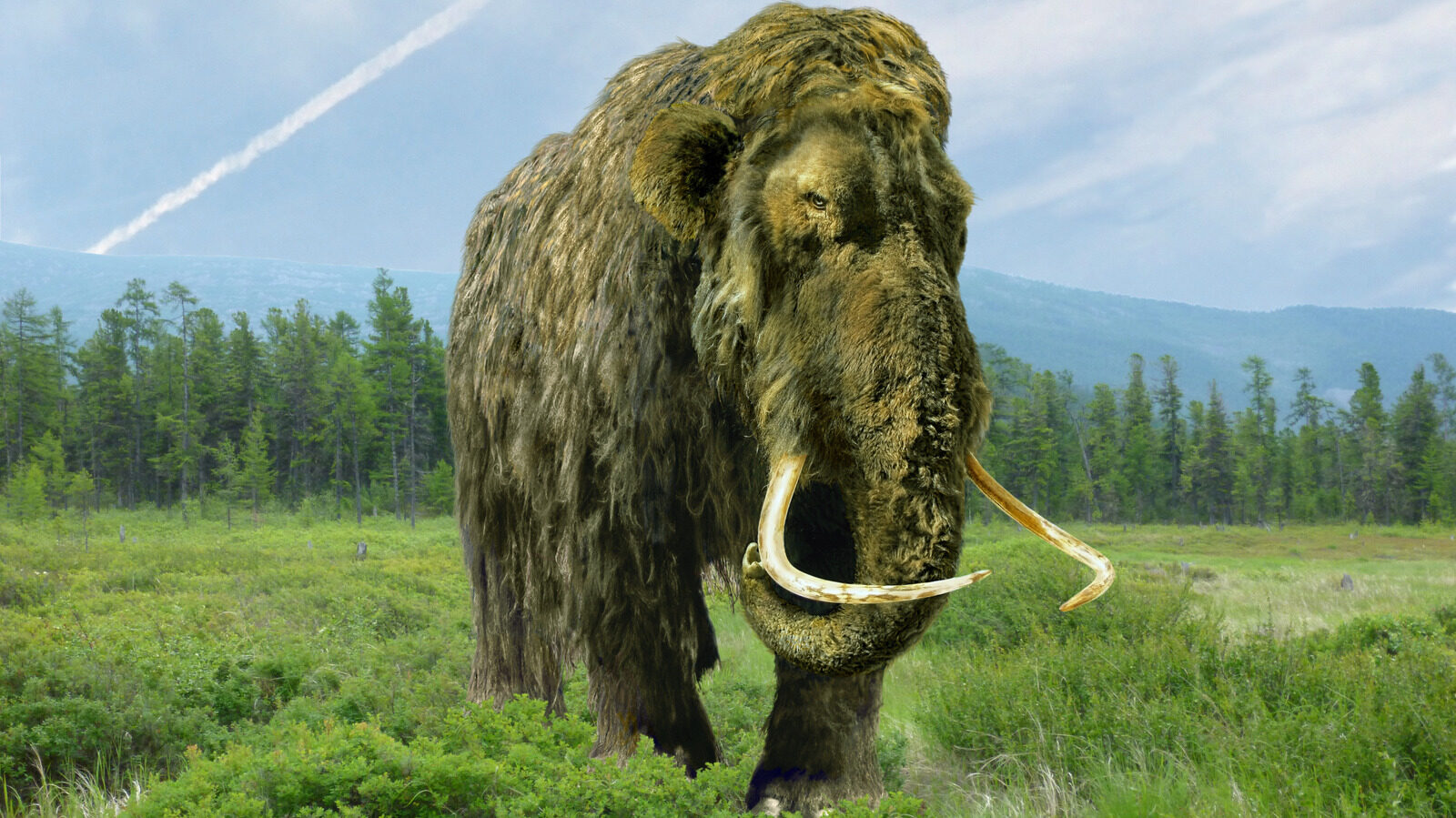
The woolly mammoth (Mammuthus primigenius) was a magnificent creature that thrived during the last ice age, roaming the vast tundras of North America, Europe, and Asia. These large animals were well-adapted to their cold environments, sporting thick fur and a layer of fat for insulation. The woolly mammoth coexisted with early humans, leading many to speculate about the interactions between these two species.
While the precise reasons for the woolly mammoth’s extinction remain elusive, researchers generally agree that a combination of human hunting and the climatic shifts that marked the end of the ice age played significant roles. As temperatures rose, the habitats suitable for woolly mammoths diminished, leading to their eventual disappearance around 4,000 years ago. This extinction has prompted ongoing discussions about what ecological balance might have looked like had these giants survived.
How scientists plan to bring back the woolly mammoth
The ambitious venture of reviving the woolly mammoth is spearheaded by Colossal Biosciences, a biotechnology company that aims to use advanced genetic engineering techniques. Their project is not as straightforward as merely recreating the species; it involves a complex process of genetic editing and cloning.
To understand how this might work, consider los siguientes pasos:
- Genome Sequencing: Scientists begin by obtaining DNA samples from preserved woolly mammoth specimens, typically found in permafrost.
- Comparative Analysis: These samples are compared to the genome of the Asian elephant, the closest living relative of the mammoth.
- Gene Editing: Using techniques like CRISPR, scientists will splice genes from the mammoth DNA into the elephant’s genome, aiming to replicate traits such as cold resistance and shaggy fur.
- Cloning Process: The edited DNA will be inserted into an elephant egg cell, which will then be implanted into a surrogate elephant mother.
This intricate process is often termed “de-extinction,” although it’s more accurate to describe it as a form of genetic recreation.
The ethical considerations of de-extinction
While the scientific pursuit of bringing back the woolly mammoth is intriguing, it raises several ethical questions that cannot be ignored. These include:
- Animal Welfare: The health and safety of both surrogate mothers and genetically modified offspring are paramount. Cloning and genetic manipulation can lead to significant health issues.
- Ecological Impact: The reintroduction of woolly mammoths could disrupt existing ecosystems, especially in areas where their habitats have significantly changed.
- Resource Allocation: Is it ethical to allocate research funds to revive an extinct species when many endangered species are facing extinction today?
These concerns highlight the importance of a responsible approach to de-extinction and the need for rigorous ethical oversight.
Potential benefits of reviving the woolly mammoth
Despite the challenges and ethical dilemmas, there are several potential benefits to reviving the woolly mammoth. These include:
- Climate Resilience: Woolly mammoths could play a role in managing ecosystems and combatting climate change by maintaining grasslands that sequester carbon.
- Biodiversity Restoration: Their presence could help restore some of the ecological balance that was lost during their extinction.
- Scientific Advancements: The techniques developed for this project could advance genetic research, benefiting conservation efforts for endangered species.
Researchers believe that the woolly mammoth’s revival could serve as a model for future conservation efforts, providing insights into how species can adapt to rapidly changing environments.
Challenges in the mammoth revival project
Launching an initiative as ambitious as reviving the woolly mammoth presents numerous challenges. Some of the most significant include:
- Technical Hurdles: The process of editing genomes and successfully implanting embryos is fraught with technical difficulties and requires significant expertise.
- Funding and Support: Large-scale projects require substantial financial backing, and there may be skepticism regarding the feasibility and ethics of such endeavors.
- Public Perception: Gaining public support and navigating the complex landscape of scientific ethics can be challenging.
These obstacles must be addressed to ensure the success of the project and to mitigate any unintended consequences of bringing back a long-lost species.
Is de-extinction the answer to biodiversity loss?
The quest to revive the woolly mammoth opens up a broader dialogue about biodiversity and conservation. While the idea of de-extinction is alluring, it is essential to focus on preserving existing species before considering the revival of extinct ones. The following strategies are crucial:
- Habitat Conservation: Protecting natural habitats from destruction is vital for the survival of endangered species.
- Reducing Human Impact: Efforts should be made to minimize human-induced pressures such as pollution, habitat loss, and climate change.
- Community Engagement: Involving local communities in conservation efforts can lead to more effective and sustainable outcomes.
While reviving species like the woolly mammoth can provide valuable insights, the focus must remain on protecting our planet’s biodiversity.