The 1980s were a time of excess and ambition in Hollywood. Dreams glittered brighter than ever under the California sun, attracting those seeking fortune and fame. Roy Radin, a successful show business promoter in the East Coast scene, was one such individual who set his sights on the dazzling world of Tinseltown.
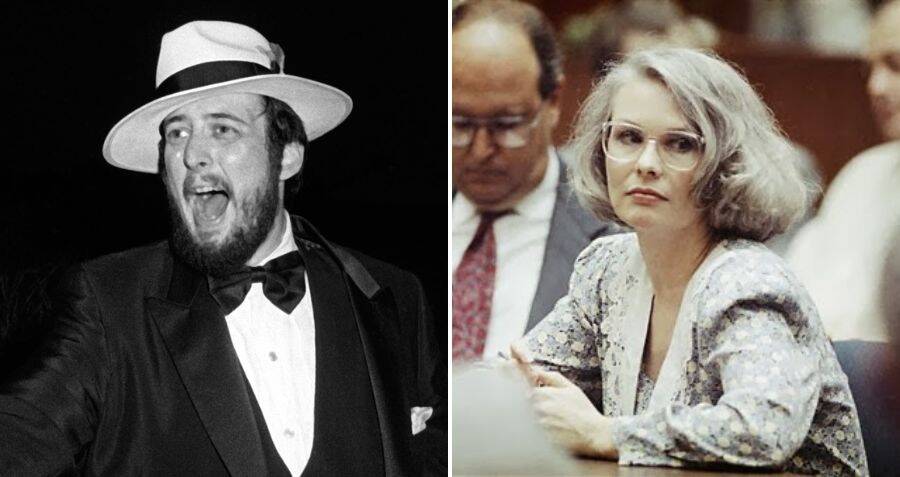
Radin envisioned himself becoming a key player in Hollywood financing, riding the wave of big-budget productions that were defining the era. He packed his dreams into suitcases and journeyed west to Los Angeles in May 1983. It was there he hoped to secure a fortune by joining forces with some of the biggest names in the industry. Producers Robert Evans and Elaine Jacobs (Karen Greenberger) held the keys to Radin’s aspirations, as they were spearheading the ambitious project “The Cotton Club.” Little did Radin know that this meeting would be his last, marking the beginning of a Hollywood tale darker than any script could imagine.
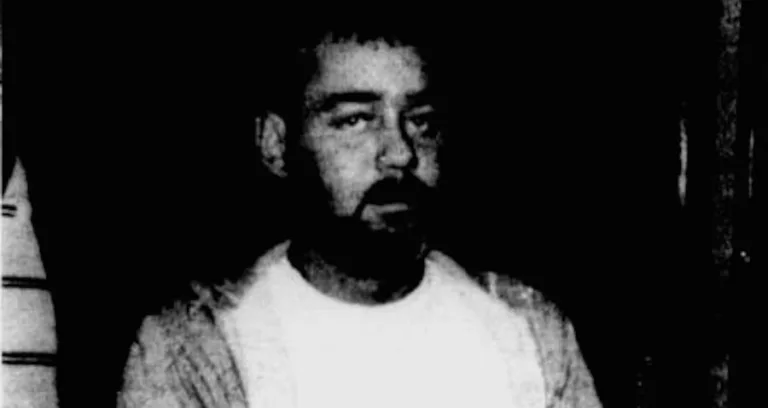
His disappearance after leaving a meeting with Karen Greenberger sent shockwaves through the industry. Was he entangled in dangerous underworld dealings? Rumors swirled about Roy Radin‘s alleged involvement in drug trafficking and even satanic cults. Whispers fueled by an investigative journalist’s claims and a prison informant’s supposed connection to infamous serial killer David Berkowitz, “Son of Sam,” cast a sinister shadow over the case. However, the truth proved far more complex, hiding beneath layers of ambition, betrayal, and a ruthless pursuit of power.
Roy Radin’s Hollywood Dream
Roy Radin wasn’t just a show business promoter seeking his fortune in Hollywood; he was chasing a dream woven from ambition and the allure of the silver screen. He envisioned himself as a silent partner, someone who helped bring stories to life and shape the cinematic landscape. He believed that with his connections and savvy, he could navigate the complex world of financing and become an influential figure behind the scenes.
Hollywood in the early ’80s was a breeding ground for such dreams. Big-budget films were becoming the norm, attracting A-list stars and lavish production values. The industry buzzed with energy, fueled by creative ambition and the promise of untold riches. Radin, sensing this potent mix, saw an opportunity to step out from the shadows of his East Coast success and into the heart of Hollywood’s golden age.
He was drawn to “The Cotton Club,” a project with a pedigree that promised both artistic merit and financial gain. The film boasted a star-studded cast, a renowned director, and a captivating story set against the backdrop of New York’s vibrant jazz scene. Radin saw this as his ticket into Hollywood’s inner circle, a chance not just to make money but to be part of something truly special. Little did he know, his dream would soon become entangled in a web of deceit and tragedy.
The Murder and Initial Speculation
The disappearance of Roy Radin sent shockwaves through Hollywood and beyond. He vanished without a trace after leaving a meeting with Karen Greenberger in May 1983. The news spread like wildfire, transforming from whispers into headlines that painted a picture of uncertainty and intrigue. Was he the victim of foul play? Had his ambitions led him down a dangerous path? Or had he simply decided to walk away from it all, disappearing into anonymity?
The initial investigation yielded few concrete answers, fueling speculation and feeding insatiable public curiosity. Rumors swirled about Radin’s alleged involvement in the shadowy world of drug trafficking and even satanic cults. These whispers, often fueled by sensationalist media coverage, painted a distorted picture of the missing promoter. One persistent thread involved an investigative journalist’s claims and a prison informant’s supposed connection to infamous serial killer David Berkowitz, “Son of Sam,” adding a layer of chilling absurdity to the unfolding mystery.
The absence of clear evidence left the public grasping for answers, clinging to any narrative that could shed light on Radin’s sudden disappearance. Years passed with no resolution, leaving a void filled only by speculation and unanswered questions. But just when it seemed the truth would remain forever shrouded in mystery, a dramatic turn of events brought the case back into the spotlight.
Uncovering the Truth: Karen Greenberger’s Role
The truth behind Roy Radin’s murder lay hidden in plain sight, masked by deceit and a calculated motive. Four years after his disappearance, a shocking revelation shook the foundation of Hollywood’s glamorous facade: Karen Greenberger, Radin’s former contact and co-investor in “The Cotton Club,” was charged with second-degree murder. The revelation sent a ripple of disbelief through the industry, shattering the image of success and ambition that Hollywood often projected.
Greenberger’s motive? Dissatisfaction with her share of the profits from the hugely successful film. Jealousy and greed had poisoned their partnership, leading to a bitter dispute over financial gains. She allegedly orchestrated Radin’s murder, driven by an insatiable desire for control and a ruthless pursuit of personal wealth. This chilling turn of events exposed the dark underbelly of Hollywood, where ambition and cutthroat competition could lead to unthinkable consequences.
The trial captivated the nation, bringing the murky world of high-stakes financing and betrayal into sharp focus. It served as a stark reminder that even in the dazzling realm of dreams and stardom, darkness could lurk beneath the surface, waiting to claim its victims.
The Fatal Betrayal and Financial Dispute
The heart of the tragedy lay in a betrayal as cold and calculated as it was unexpected. Roy Radin’s dream of Hollywood success had blinded him to the dangers lurking within his own partnership. Karen Greenberger, initially a figure of opportunity and shared ambition, harbored a growing resentment towards Radin’s influence and her perceived lack of control over their financial ventures.
As “The Cotton Club” soared to unprecedented heights, becoming a box office sensation, Greenberger’s dissatisfaction festered. The film’s success brought immense wealth, but it also amplified the existing rift between the two partners. Differing opinions on how profits should be distributed and claims of unequal contributions fueled an escalating conflict that poisoned their once hopeful collaboration.
Greenberger’s relentless pursuit of greater control, her jealousy over Radin’s perceived power, and her insatiable desire for financial dominance ultimately led to a devastating decision. She saw Radin as an obstacle, a threat to her own ambitions, justifying the unthinkable act of eliminating him in order to secure her share of the spoils. This cold-blooded betrayal transformed Hollywood’s dream factory into a stage for tragedy, where ambition and greed overshadowed talent and artistry.
Justice Served: A Case of Greed
The trial of Karen Greenberger captivated the nation, becoming a high-profile spectacle that exposed the dark side of Hollywood’s glittering facade. Prosecutors meticulously laid out their case, painting a picture of calculated greed and premeditated murder. The evidence against her was compelling, revealing a web of financial disputes, personal animosity, and ultimately, a chillingly ruthless act to silence a rival.
The jury deliberated for days, weighing the complexities of the case and the conflicting narratives presented. Finally, they reached their verdict: guilty. Karen Greenberger was found liable for second-degree murder, a stark reminder that even in the realm of dreams and fortune, justice would prevail. Her conviction brought a sense of closure to the Radin family, albeit a bittersweet one. It served as a testament to the enduring power of truth, proving that even the most carefully crafted facades could crumble under scrutiny.
The case became a cautionary tale, highlighting the corrosive effects of unchecked ambition and the perilous consequences of letting greed overshadow morality. It serves as a stark reminder that beneath the glamour and allure of Hollywood, human fallibility and the struggle for power can lead to tragedy.