
Archaeologists have discovered what is believed to be the world’s oldest known shipwreck off the coast of Kekova Island in Antalya, Turkey. The vessel, dating back approximately 4,700 years, dates to the Early Bronze Age, a period coinciding with the construction of the Egyptian pyramids. While the wooden hull has disintegrated over millennia, the remaining cargo and artifacts provide critical insights into ancient maritime trade routes.
Ancient Maritime Trade and Cargo
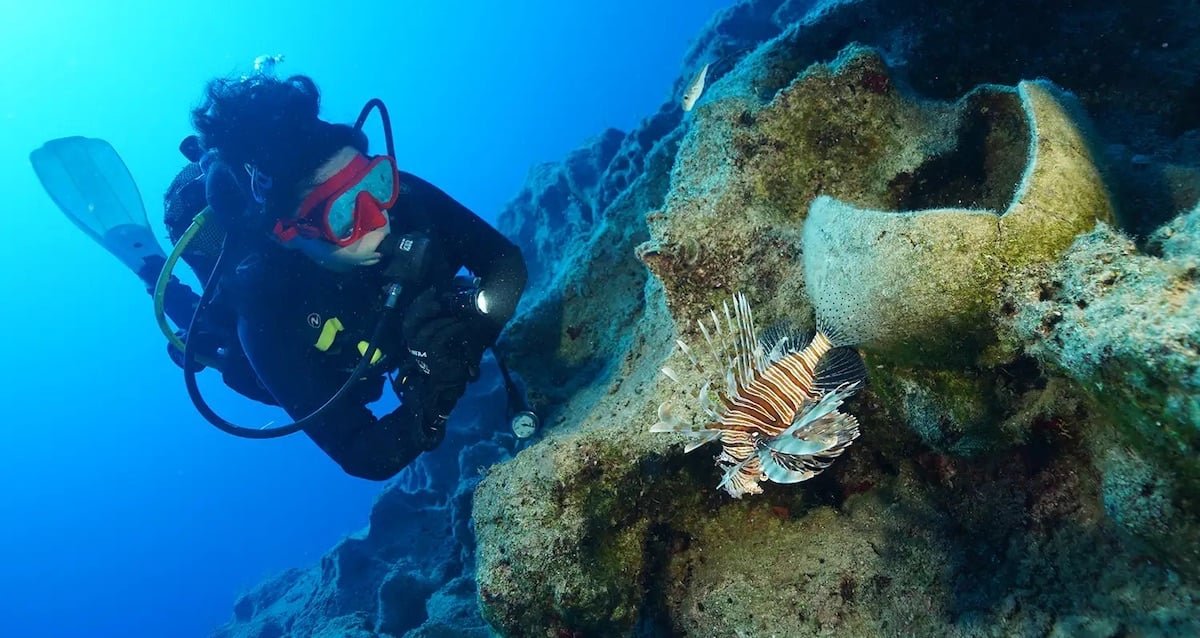
The wreck was located at a depth of nearly 100 feet. Divers recovered approximately 30 ceramic amphorae (storage pots) and three stone anchors. These artifacts were initially found in 2022, but their true age was only recently realized through recent research led by the Mediterranean Archaeology Association.
Professor Hakan Öniz of Akdeniz University, who led the expedition, noted that the decoration techniques on the pots resembled those used in Egypt and the Middle East between 4,400 and 4,700 years ago. This discovery is significant because the previous record for the oldest known shipwreck was a 4,200-year-old vessel found off the coast of Greece. In contrast, the ancient Roman tableware found in Turkey shipwreck represents a much later period of maritime history.
Ship Specifications and Origin
Based on the cargo layout, archaeologists have determined the ship was approximately 33 feet long. The recovered amphorae are believed to have been manufactured in the Jordan Valley, suggesting the ship was traveling west, possibly toward the destination of Troy or the Minoan civilization on Crete.
According to reports by IFLScience, the research team collaborated with Australian archaeologist Karin Sowada, an expert on amphorae. Sowada confirmed that these remains are the oldest known remains of a seagoing ship ever found, acting as a “time capsule” for historians.
Life Onboard the Early Bronze Age Vessel
Archaeologists found hardened resin and traces of ancient liquids inside the pots, which are still being analyzed. Preliminary findings suggest these substances could be olive oil or wine. Additionally, the team discovered a “churning amphora,” which indicates that the crew likely produced butter and cheese from goats kept on board during long voyages.
This find is a missing piece of the story of ancient trade relations in the eastern Mediterranean, as detailed in BBC. The ability to transport goods across the Mediterranean during the Early Bronze Age demonstrates a sophisticated level of economic activity and economic interdependence between early civilizations.
Future Research and Public Exhibition
- Current Status: The team is continuing to analyze the artifacts to determine the exact composition of the cargo.
- Next Steps: The recovered items will be displayed in the new Mediterranean Underwater Archaeology Museum in Antalya.
- Comparison: While this find is 4,700 years old, the oldest gunpowder weapon found in South Korea illustrates different technological milestones in other parts of the world.
As highlighted by PEOPLE, this discovery provides a unique opportunity to understand the seafaring civilizations that thrived during the Early Bronze Age, filling a gap in our understanding of ancient maritime logistics and trade.