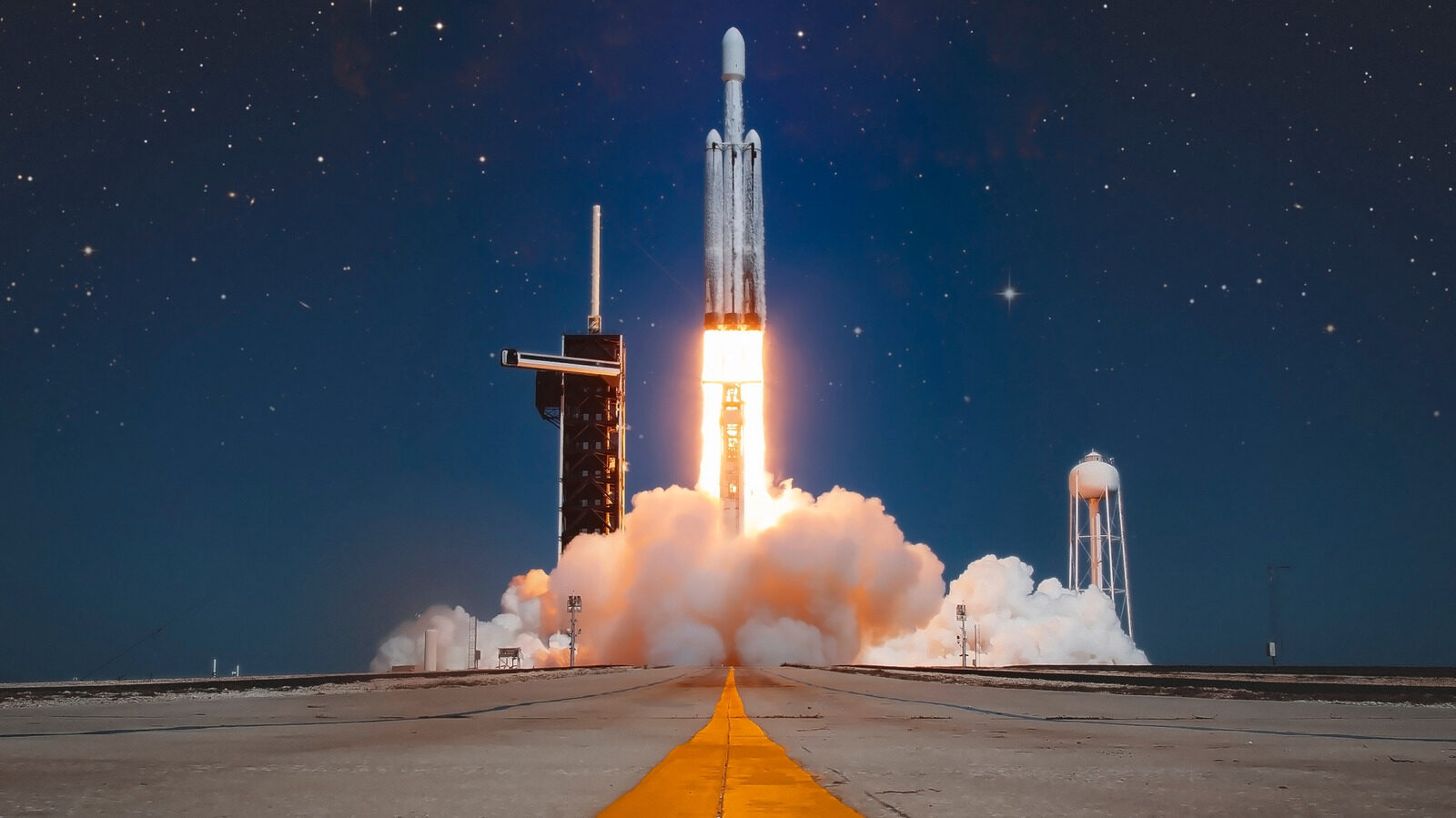
Space exploration has evolved dramatically over the past few decades, transitioning from a government-controlled domain to a bustling arena for private enterprises. This shift has not only democratized access to space but has also sparked intense competition among companies striving to reduce launch costs and push the boundaries of technology. One of the most prominent players in this industry is SpaceX, founded by Elon Musk, which has revolutionized space travel with its innovative approaches and ambitious visions.
Understanding the cost of launching rockets is crucial for grasping the economic dynamics of space exploration. While the expenses associated with a SpaceX launch may seem exorbitant at first glance, they are considerably lower compared to traditional government-operated space missions. Let’s delve deeper into the intricacies of launch costs, particularly those related to SpaceX’s operations.
Understanding the cost of SpaceX launches
SpaceX has made remarkable strides in reducing the costs associated with space travel, primarily through its reusable rocket technology. The company’s Falcon 9 rocket, for instance, is designed to return to Earth after delivering payloads, allowing it to be refurbished and reused for future missions. This innovation has significantly impacted launch prices.
According to NASA, in 2018, the advertised cost for a Falcon 9 launch was approximately $62 million, which allowed it to reach low Earth orbit. The Falcon Heavy, a more powerful rocket capable of carrying larger payloads, demanded a higher price point at around $90 million. Human-crewed missions, such as those involving the Falcon 9 and the Dragon capsule, hovered around $140 million.
However, as of 2022, SpaceX raised its prices, with Falcon 9 launches now costing $67 million and Falcon Heavy launches priced at $97 million. Elon Musk attributed this increase to “significant recent inflation pressures in raw materials and logistics.” Despite these hikes, SpaceX’s prices remain competitive within the broader context of space mission costs.
Comparative analysis of launch costs
When evaluating the cost of SpaceX launches, it’s essential to compare them with historical and contemporary alternatives. For example, NASA’s launch expenditures have historically been much higher. The Apollo 11 mission in 1969, which famously landed the first humans on the Moon, had an estimated cost of $185 million. When adjusted for inflation, this figure translates to around $1.62 billion today.
The operational costs of NASA’s space shuttle program further illuminate the financial landscape of space launches. Each shuttle launch was estimated to cost around $1.5 billion, resulting in a staggering price of approximately $24,700 per pound to transport crew and cargo to low Earth orbit (LEO). In contrast, SpaceX achieves this for about $10,500 per pound, representing a significant cost advantage.
- NASA launch cost per pound: $24,700
- SpaceX launch cost per pound: $10,500
- Apollo 11 launch cost (adjusted): $1.62 billion
- Space Shuttle launch cost: $1.5 billion
The implications of lower launch costs
The reduced costs associated with SpaceX launches have far-reaching implications for various stakeholders in the space industry. By lowering the entry barriers for space exploration, SpaceX has opened the door for a myriad of new opportunities, including:
- Commercial satellite deployment
- Scientific research missions
- Human spaceflight initiatives
- Exploration of Mars and beyond
This democratization of space access has led to a surge in both governmental and private sector collaborations. For instance, NASA’s Commercial Crew Program exemplifies how public-private partnerships can enhance operational efficiency and reduce costs, with SpaceX and Boeing playing pivotal roles in transporting astronauts to the International Space Station (ISS).
The role of reusable rocket technology
One of the cornerstones of SpaceX’s cost-effective approach is its pioneering work in reusable rocket technology. Traditional launch vehicles are typically single-use, necessitating the construction of new rockets for each mission. In contrast, SpaceX’s Falcon 9 and Falcon Heavy rockets are designed to return to Earth, allowing them to be refurbished and reused multiple times.
This innovative strategy not only lowers launch costs but also significantly reduces waste associated with space missions. The environmental impact of rocket launches is a growing concern, and reusable technology offers a more sustainable path forward.
Future prospects for launch pricing
As the space industry continues to evolve, the competition among private companies is likely to intensify. Companies like Blue Origin and Rocket Lab are entering the fray, aiming to carve out their niches in the emerging space economy. This competitive landscape could lead to further reductions in launch costs, benefiting scientific research, telecommunications, and commercial endeavors.
Moreover, advancements in technology may result in even more efficient rockets, optimizing payload capacity and performance. Innovations such as electric propulsion and advanced materials could revolutionize the way we approach space travel, potentially lowering costs even further.
In conclusion, understanding the cost dynamics of SpaceX launches reveals a complex interplay of innovation, competition, and changing market conditions. While the price tags may initially seem daunting, they represent a significant leap toward making space more accessible than ever before. The implications of this affordability extend beyond mere economics; they promise to reshape our relationship with space, fostering a new era of exploration and discovery.