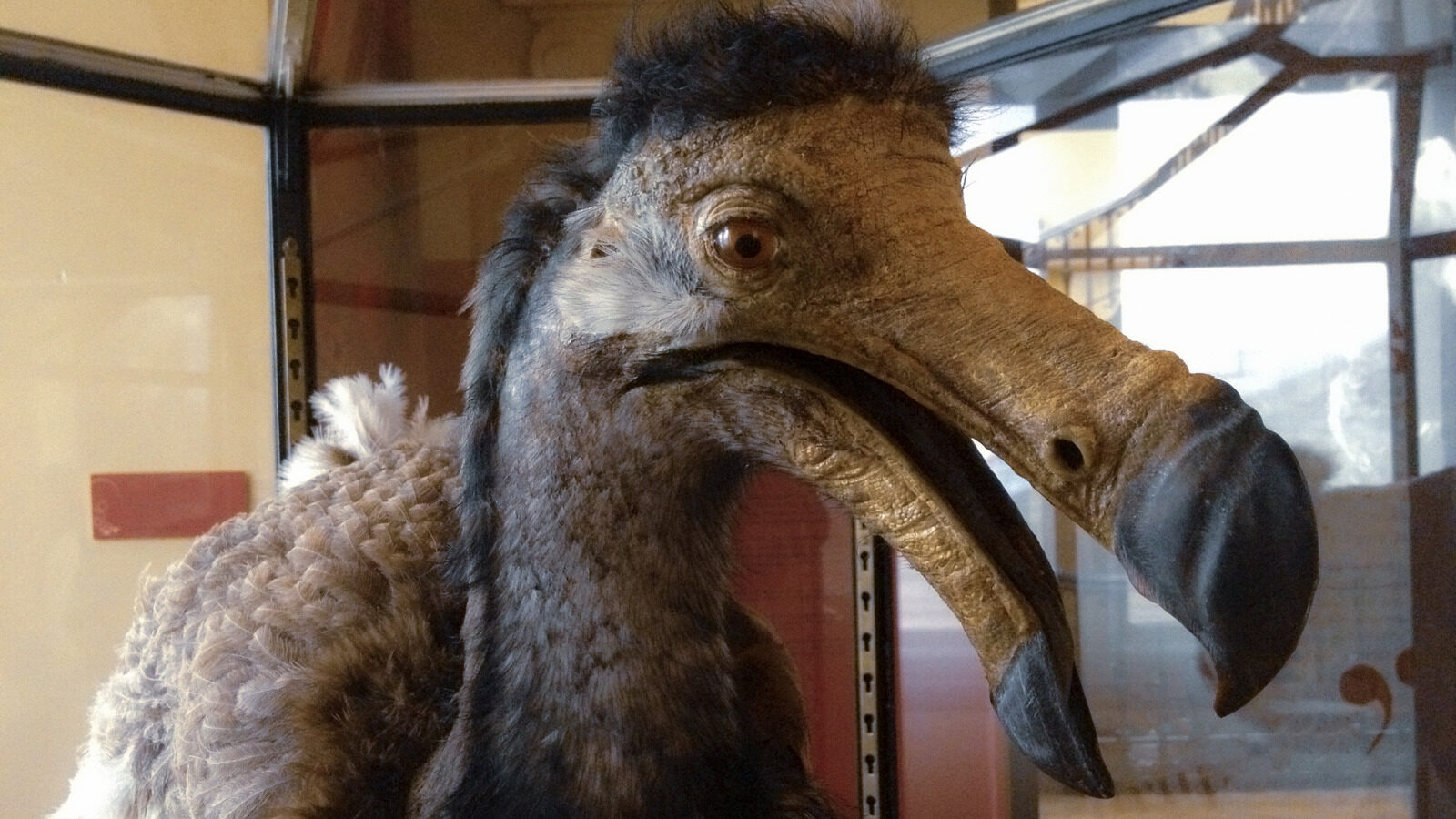
The dodo bird, a fascinating yet tragic symbol of extinction, sparks curiosity about what our world might be like if it had never disappeared. This flightless bird, native to the island of Mauritius, holds secrets not only about its own existence but also about ecological balance and the impact of human activities on the environment. Let’s explore the intriguing possibilities of what could have been had the dodo survived.
Understanding the dodo’s extinction
The dodo bird, scientifically known as Raphus cucullatus, was a unique avian species that thrived on the isolated island of Mauritius, located in the Indian Ocean. With its stout body, small wings, and a distinctively curved beak, the dodo was unlike any other bird. It lived in an environment free from natural predators until the arrival of humans in the early 16th century. The dodo’s extinction can be attributed to several interconnected factors:
- Hunting: Early sailors hunted dodos for food, as they were easy to catch due to their lack of fear of humans.
- Deforestation: Human settlement led to the destruction of the dodo’s natural habitat, which drastically reduced their living space.
- Invasive species: The introduction of rats, pigs, and monkeys by humans disrupted the dodo’s breeding patterns and food sources.
The last confirmed sighting of a dodo occurred in 1662, and by the end of that century, the species was declared extinct. This loss has since become a poignant reminder of humanity’s impact on nature.
Dodos and the possibility of domestication
Upon first encountering the dodo, humans discovered a creature that was surprisingly trusting and approachable. This docility gave rise to the misconception that dodos were unintelligent, akin to the commonly misunderstood pigeon. However, studies of their relatives, such as pigeons, reveal remarkable cognitive abilities, suggesting that dodos were far from dim-witted. In fact, pigeons can recognize human faces, remember words, and count—traits that hint at potential intelligence.
Had humans chosen to domesticate dodos instead of hunting them, the narrative of both the bird and human history might have changed dramatically. Some key points to consider include:
- Willingness to interact: Dodos exhibited a natural curiosity towards humans, which could have been leveraged for domestication.
- Previous domestication successes: The domestication of pigeons demonstrates that birds with similar traits can successfully coexist with humans.
- Potential uses: Although dodo meat was not particularly desirable, they could have served as companions or even as part of cultural practices.
Unfortunately, early attempts to transport dodos to Europe for domestication often ended in failure, as the birds did not survive the journey. A more localized effort in their natural habitat might have yielded different results.
The ecological role of dodos in Mauritius
The extinction of the dodo had profound consequences for the ecosystem of Mauritius. This island is home to nearly 300 plant species that exist nowhere else on the planet, many of which are now critically endangered. The dodo played a crucial role in the propagation of these plants through its unique feeding habits:
- Seed dispersal: Dodos primarily fed on fruits and seeds, and their droppings helped distribute these seeds across the island, supporting plant diversity.
- Impact of extinction: With the dodo’s disappearance, many large seeds no longer found a means for dispersal, leading to declines in certain plant populations.
- Consequences for biodiversity: The loss of dodos initiated a cascading effect that destabilized the entire ecosystem, resulting in further extinctions of both flora and fauna.
A recent study published in Nature Communications identifies that over 28% of Mauritius’ native fruits and 7% of its native seeds are now too large for any surviving species to consume, illustrating the critical role dodos played as seed dispersers.
What if dodos had survived?
Imagining a world where dodos still roam Mauritius invites us to consider the myriad ecological and cultural impacts their survival might have had. If dodos had never gone extinct, we could speculate on several possible scenarios:
- Flourishing plant life: The continued presence of dodos could have ensured the survival of many unique plant species, contributing to a richer biodiversity.
- Human-animal relationships: Dodos could have become part of human culture, potentially serving as companions or even culturing local customs and folklore.
- Conservation awareness: The existence of the dodo might have fostered early awareness of conservation, prompting proactive measures to protect other endangered species.
In a broader sense, the survival of the dodo could have led to more nuanced understandings of human interactions with wildlife, emphasizing the importance of coexistence and ecological stewardship.
Lessons from the dodo’s history
The story of the dodo serves as a cautionary tale about the consequences of human actions on the environment. It underscores the need for responsible stewardship of our planet and the species that inhabit it. As we reflect on the lessons learned from the dodo’s extinction, we can draw several key takeaways:
- Impact of human activities: The dodo’s fate illustrates how human expansion and exploitation can lead to ecological destruction.
- Importance of biodiversity: The loss of a single species can disrupt entire ecosystems, highlighting the interconnectedness of life.
- Conservation efforts: Protecting existing species and their habitats is crucial to preventing further extinctions and preserving biodiversity.
As we move forward, the story of the dodo can inspire current and future conservation efforts, reminding us of the delicate balance between humanity and nature.