
The quest for sustainable energy solutions often leads us to consider hydroelectric power as a viable alternative. However, behind the promise of clean energy lies a complex web of environmental repercussions. Understanding the intricate relationship between hydroelectric dams and their effects on ecosystems is essential for developing more responsible energy policies.
Understanding the impacts of hydroelectric dams
Hydroelectric dams are monumental structures designed to harness the power of flowing water to generate electricity. While these dams can supply significant amounts of energy, they also disrupt ecosystems and alter landscapes. Notably, the construction of dams can lead to the formation of large artificial reservoirs, which may flood extensive areas of land.
These reservoirs can have lasting impacts on the environment, including:
- Displacement of wildlife: The flooding caused by dam construction often destroys habitats vital for countless species.
- Altered water flow: Natural river ecosystems are transformed, affecting water temperature and chemistry.
- Increased evaporation: Stagnant water in reservoirs tends to evaporate more quickly than flowing rivers.
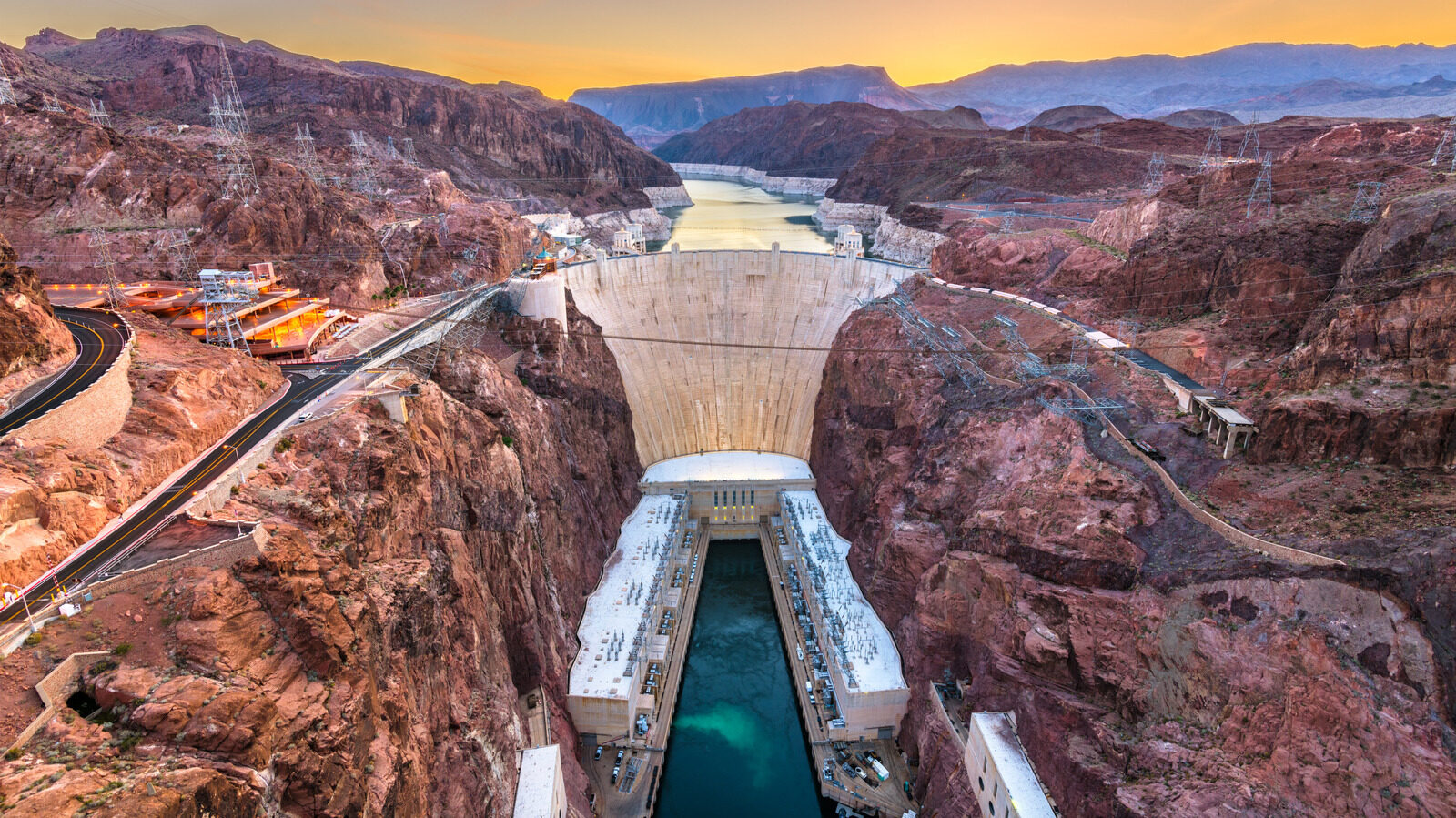
For instance, the Hoover Dam created Lake Mead, a reservoir that flooded extensive areas of land, drastically affecting both local wildlife and human communities. The case of the Balbina Dam in Brazil further illustrates the severe repercussions of damming natural water bodies, as it submerged nearly 1,000 square miles of rainforest.
The human cost of hydroelectric projects
Beyond ecological degradation, hydroelectric dams significantly impact human populations. The construction of these dams often necessitates the displacement of communities, many of which are indigenous peoples. A project known as The Atlas of Drowned Towns documents the numerous settlements that have been submerged due to dam projects worldwide.
The consequences for displaced communities can be devastating, encompassing:
- Loss of homes: Entire communities are often uprooted, forcing residents to relocate.
- Altered livelihoods: Many people lose access to traditional fishing or farming areas.
- Cultural erosion: Displacement can lead to the loss of cultural heritage and traditions tied to specific landscapes.
Environmental degradation and aquatic ecosystems
Hydroelectric dams fundamentally alter aquatic ecosystems. The transition from flowing rivers to stagnant reservoirs creates a host of problems for aquatic life. One notable issue is the increase in algae growth, which can suffocate other organisms.
The impact on fish populations is particularly pronounced. Migratory species such as salmon rely on free-flowing rivers to reach their spawning grounds. Dams obstruct these pathways, leading to declining fish populations. Some of the challenges faced by migratory fish include:
- Blocked routes: Dams can physically block fish from accessing breeding grounds.
- Altered water quality: Reservoirs often have lower oxygen levels, making it difficult for fish to survive.
- Increased predation: The new ecosystem dynamics can favor predator species at the expense of native fish.
Greenhouse gas emissions from hydroelectric dams
While hydroelectric power is often marketed as a cleaner alternative to fossil fuels, emerging research reveals that these dams contribute significantly to greenhouse gas emissions. Methane, a potent greenhouse gas, is released during the decomposition of submerged organic matter in the reservoirs.
Key points regarding greenhouse gas emissions from hydroelectric projects include:
- Methane production: Decaying vegetation submerged by reservoirs releases methane, which is far more effective at trapping heat in the atmosphere than carbon dioxide.
- Construction emissions: The production of concrete and steel for dam construction also contributes to overall emissions.
- Deforestation: The land cleared for dam projects can further exacerbate carbon releases.
This complex relationship highlights the need for a nuanced approach when evaluating the environmental benefits of hydroelectric energy.
Restoration efforts and ecosystem recovery
Despite the extensive damage caused by hydroelectric dams, restoration efforts can lead to revitalized ecosystems. The removal of dams has proven to be a successful strategy in several cases, allowing rivers and their surrounding habitats to recover.
One prominent example is the Klamath River, where the removal of a series of dams has shown promising results:
- Salmon resurgence: After dam removal, salmon populations began returning to historical spawning grounds.
- Improved water quality: Oxygen levels increased, benefiting the entire aquatic ecosystem.
- Community engagement: Local tribes played a crucial role in advocating for the dam removals, highlighting the intersection of ecology and human rights.
This case illustrates that while hydroelectric dams have significant negative impacts, concerted efforts can lead to positive changes in ecosystems and communities alike.
A path towards sustainable energy solutions
The challenges posed by hydroelectric dams underscore the importance of seeking alternative renewable energy sources. Innovations in energy technology, such as solar and wind power, present opportunities to reduce reliance on hydroelectric systems while minimizing environmental impacts.
Key aspects to consider in the transition towards more sustainable energy include:
- Diverse energy portfolios: Relying on a mix of renewable sources can reduce the negative impacts of any single energy type.
- Community involvement: Engaging local populations in energy projects can lead to more equitable solutions.
- Policy improvements: Governments must create regulations that prioritize environmental health alongside energy needs.
By embracing these principles, societies can work towards a more sustainable future that preserves both human and ecological well-being.