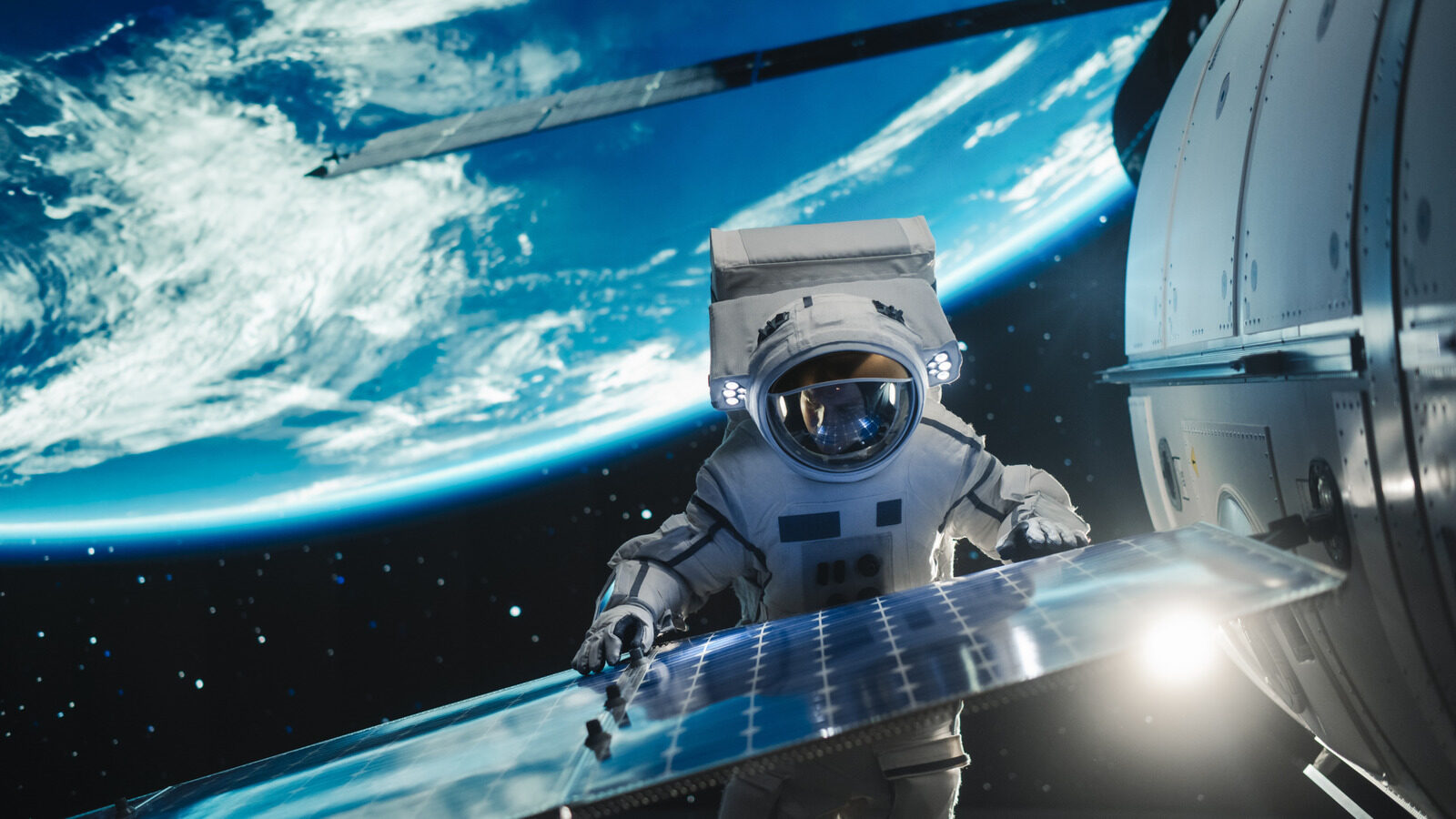

When we think about the life of an astronaut, we often picture them drifting weightlessly through the vastness of space, free from the constraints of gravity. This fascinating image leads many to believe that astronauts exist in a state of complete weightlessness. However, the reality is much more nuanced and complicated. Understanding the environment in which astronauts operate is crucial for grasping the challenges they face and how their bodies adapt to life beyond our planet.
In this exploration, we will uncover the truth about gravity in space, delve into the effects of microgravity on the human body, and discuss preparations for long-term missions that will shape the future of space exploration.
Gravity in space: more than just an illusion
One of the most persistent myths about space travel is the idea that astronauts experience no gravity whatsoever. In fact, this is not the case. Astronauts aboard the International Space Station (ISS) live in a state known as microgravity, where gravity is still very much present but operates differently than on Earth.
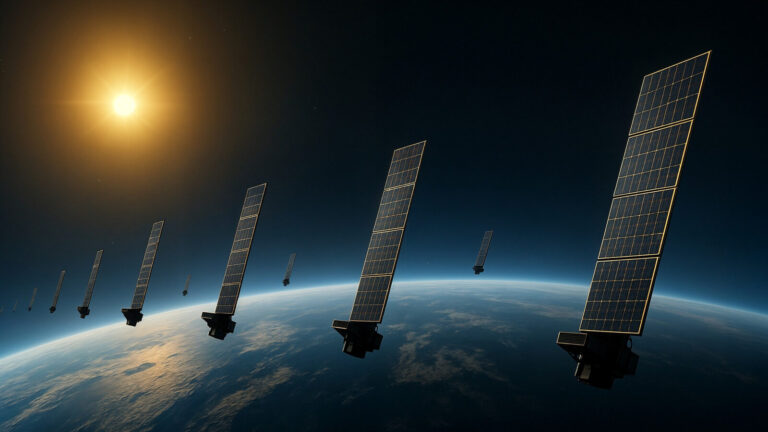
The ISS orbits our planet at an altitude of approximately 200 to 250 miles, where the gravitational pull is only about 90% of what we feel on the surface of the Earth. This gravitational force is what keeps the ISS in orbit, and it is the reason why astronauts float inside the spacecraft. They are not escaping gravity; rather, they are in a constant state of free fall as they travel at speeds exceeding 17,500 miles per hour. This phenomenon creates the illusion of weightlessness, leading to the common misconception that gravity does not exist in space.
Understanding how gravity affects astronauts is vital for the planning and execution of space missions. Here are some key points to consider:
- The ISS orbits Earth due to gravity, not in spite of it.
- Astronauts experience microgravity, which allows them to float but does not eliminate gravitational forces.
- The speed of the ISS creates a balance between gravitational pull and centrifugal force, resulting in a continuous state of free fall.
How microgravity affects the body
Living in a microgravity environment sounds appealing, offering the chance to float freely without the burden of gravity. Yet, the reality is quite harsh. The human body undergoes significant physiological changes when exposed to extended periods of microgravity, and these changes can have serious implications for astronauts’ health.
One of the most notable effects of microgravity is muscle atrophy. On Earth, our muscles work against gravity to maintain posture and perform daily activities. In the absence of this gravitational resistance, astronauts can experience rapid muscle weakening, particularly in their legs and back. To combat this, astronauts are required to engage in extensive exercise regimens, totaling about 10 hours per week on specialized equipment designed for microgravity.
Another critical issue is bone density loss. According to NASA, astronauts can lose between 1% to 1.5% of their bone mass each month while in space. This occurs because bones, like muscles, require mechanical stress to maintain their density. The reduced weight-bearing activity leads to increased calcium loss and a higher risk of fractures and osteoporosis. To combat this, astronauts are encouraged to perform resistance exercises, and research is ongoing into medications that may help preserve bone health in microgravity.
Fluid distribution in the body also changes dramatically in a microgravity environment. On Earth, gravity pulls fluids downward, but in space, fluids can shift towards the head, leading to what astronauts refer to as “moon face.” This condition can cause increased pressure within the skull, which can impair vision and lead to other health concerns.
Physical and psychological challenges of microgravity
The challenges of living in microgravity extend beyond physical health. Mental well-being is equally important, as prolonged isolation and the unique stressors of space travel can affect astronauts’ psychological state. Research indicates that changes in fluid distribution can increase intracranial pressure, which may influence mood and cognitive functions.
As missions to Mars and other distant destinations become more likely, the psychological aspects of long-term space travel are receiving increased attention. Here are some psychological challenges astronauts may face:
- Isolation and confinement can lead to feelings of loneliness and anxiety.
- Disruption of circadian rhythms due to constant exposure to artificial light can impact sleep quality.
- Limited social interaction can affect mental health, making effective communication with ground control essential.
Preparing for life in microgravity
As space agencies prepare for longer missions, such as a return to the Moon or a journey to Mars, understanding the impacts of microgravity has become increasingly vital. Preparing astronauts involves not only physical training but also addressing the psychological aspects of living in space.
Innovative exercise regimens and specialized equipment are being developed to counteract muscle and bone loss. The advanced Resistive Exercise Device aboard the ISS allows astronauts to perform exercises that mimic those they would do on Earth, helping to maintain their physical health.
Moreover, researchers are looking into the role of nutrition and medication in preserving astronauts’ health during extended missions. For example, studies are being conducted on the efficacy of bisphosphonates, which are medications used to treat osteoporosis, to see if they can mitigate bone loss in microgravity.
Not all changes in the body while in space are detrimental. Interestingly, astronauts can gain height in microgravity due to the elongation of the spine, which can stretch by up to 3%. This phenomenon is a reminder of the complex ways the human body adapts to its environment.
Broader implications of microgravity research
The research conducted in microgravity has far-reaching implications beyond space travel. The challenges faced by astronauts provide valuable insights into various health issues on Earth.
For instance, the understanding of bone density loss in space has opened new avenues for treating osteoporosis, a condition that affects millions worldwide. Additionally, studies on fluid dynamics in microgravity can shed light on cardiovascular diseases, as the fluid shifts experienced by astronauts may mirror certain conditions on Earth.
Ultimately, as space agencies prepare for the next giant leap in human exploration, the knowledge gained from living and working in microgravity not only enhances our ability to explore the cosmos but also improves medical practices and health outcomes here on Earth.