

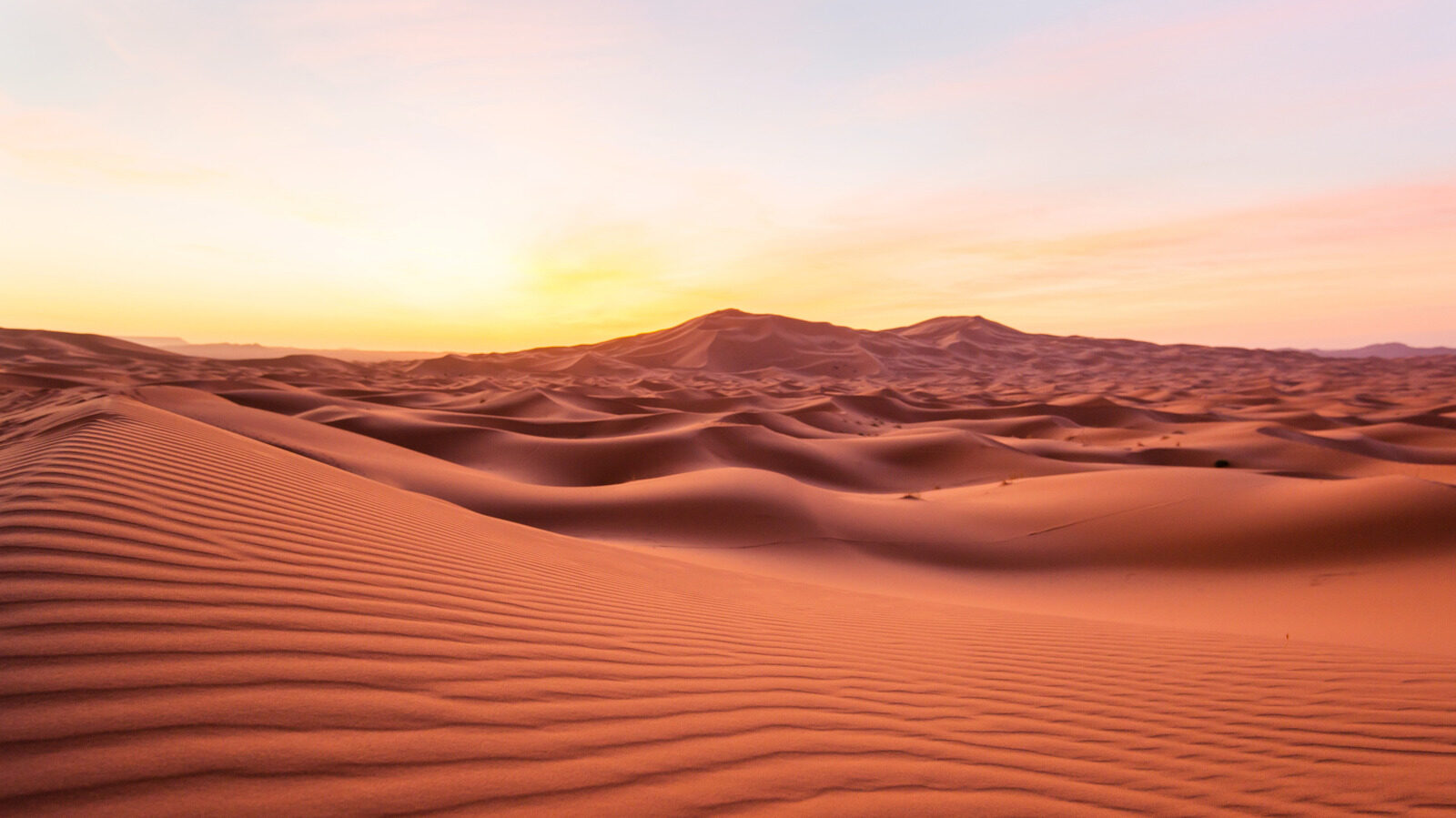

The world is full of astonishing facts that challenge our perceptions. One such idea is that the Sahara Desert, despite its fame and vast expanse, is not the largest desert on Earth. This revelation invites us to explore the true nature of deserts, their ecosystems, and the incredible life that thrives even in the harshest conditions. Let’s delve into the fascinating world of deserts and discover what lies beyond the sandy expanses of the Sahara.
The truth about the world’s largest desert
When we think of deserts, the Sahara often comes a mind due to its iconic status and expansive dunes. Covering approximately 3.3 million square miles, the Sahara occupies a significant portion of northern Africa. Its name, derived from Arabic, even translates to “desert,” making it seem obvious that it holds the title of the largest desert on our planet.
However, this is a common misconception. In reality, the Sahara ranks as the third largest desert globally. The title of the largest desert belongs to the Antarctic Polar Desert, which spans an impressive 5.5 million square miles. Following closely is the Arctic Polar Desert, covering about 5.4 million square miles, which includes parts of Russia, Alaska, Canada, and Scandinavia.
Deserts are typically associated with heat and arid conditions, but the definition of a desert is much broader. A desert is classified as any region that receives less than 10 inches of precipitation annually. This means that cold, polar regions can qualify as deserts just as easily as their hot, sandy counterparts. To better understand deserts, it’s essential to consider the four main types:
- Hot deserts (e.g., Sahara, Arabian Desert)
- Cold deserts (e.g., Antarctic Desert, Arctic Desert)
- Semi-arid deserts (e.g., Great Basin Desert)
- Coastal deserts (e.g., Atacama Desert)
Understanding polar deserts
The Antarctic Polar Desert, despite its icy conditions, is a place of extreme desolation. It is often surprising to learn that Antarctica contains around 90% of the Earth’s freshwater, yet it is considered the driest place on the planet. This paradox arises because the water in Antarctica is locked within a colossal ice sheet that averages about a mile and a half in thickness.
Interestingly, Antarctica receives only about two inches of precipitation each year, which is even lower than the average annual rainfall in the Sahara. The frigid temperatures, which can plummet to a staggering -128.2 degrees Fahrenheit, mean that any moisture that does fall remains frozen, further contributing to the continent’s status as a desert.
Life in extreme conditions
Despite the harsh environment, life in Antarctica is incredibly resilient. Among its most notable inhabitants are the emperor penguins, renowned as the largest penguin species in existence. These remarkable birds have adapted to the extreme temperatures with thick feathers and a substantial reserve of body fat, enabling them to survive the harsh winter months.
Life in the polar desert is not limited to penguins. The interior of Antarctica is home to unique organisms such as lichen. This fascinating life form results from a symbiotic relationship between an alga and a fungus, allowing it to thrive in conditions where most plants cannot. Antarctica hosts hundreds of lichen species, showcasing nature’s ability to adapt and survive even in the world’s most barren landscapes.
Comparing deserts: climate and ecosystems
While hot deserts often conjure images of endless dunes and scorching heat, polar deserts challenge our understanding of what constitutes a desert ecosystem. Each type of desert features distinct climatic conditions that shape its unique environment. Here are some key differences:
| Type of Desert | Climate | Average Precipitation |
|---|---|---|
| Hot Desert | High temperatures, minimal humidity | Less than 10 inches/year |
| Cold Desert | Low temperatures, often snowy | Less than 10 inches/year |
| Semi-arid Desert | Moderate temperatures, occasional rainfall | 10-20 inches/year |
| Coastal Desert | Cooler temperatures due to ocean currents | Less than 10 inches/year |
Flora and fauna of the Sahara Desert
Turning our focus back to the Sahara, it is essential to recognize that this desert, despite being smaller than its polar counterparts, hosts a rich tapestry of life adapted to its arid conditions. Flora such as the acacia tree and various types of cacti have evolved to conserve water and thrive in the sandy soil. The Sahara is also home to diverse fauna, including:
- Fennec foxes, known for their large ears and nocturnal habits
- Sand gazelles, capable of surviving long periods without water
- Various reptiles, including the horned viper, that have adapted to the desert environment
This unique biodiversity highlights the resilience of life and the intricate adaptations organisms develop to survive in extreme conditions.
The significance of deserts in global ecology
Understanding deserts, both hot and cold, is crucial not only for ecological studies but also for climate science. Deserts play a significant role in regulating global temperatures, carbon storage, and even weather patterns. Their vast, barren landscapes may seem desolate, but they contribute to the Earth’s health in various ways.
Moreover, deserts foster unique ecosystems that provide insights into evolutionary biology and adaptation. Scientists study these regions to learn how organisms cope with limited water availability, extreme temperatures, and other environmental stressors, which may prove vital as climate change continues to impact habitats worldwide.
Exploring the future of desert ecosystems
The future of deserts, especially under the influence of climate change and human activity, remains a critical area of research. As temperatures rise, many desert regions may experience shifting ecosystems, with changes in flora and fauna populations. Conservation efforts are essential to protect these unique habitats and the species that depend on them.
In summary, while the Sahara Desert may be the most famous, it is essential to appreciate the greater diversity and significance of deserts worldwide. From the icy expanses of Antarctica to the sandy dunes of the Sahara, each desert tells a unique story of adaptation, resilience, and the breathtaking complexity of life. By understanding these remarkable ecosystems, we can better appreciate the delicate balance of our planet’s environments.