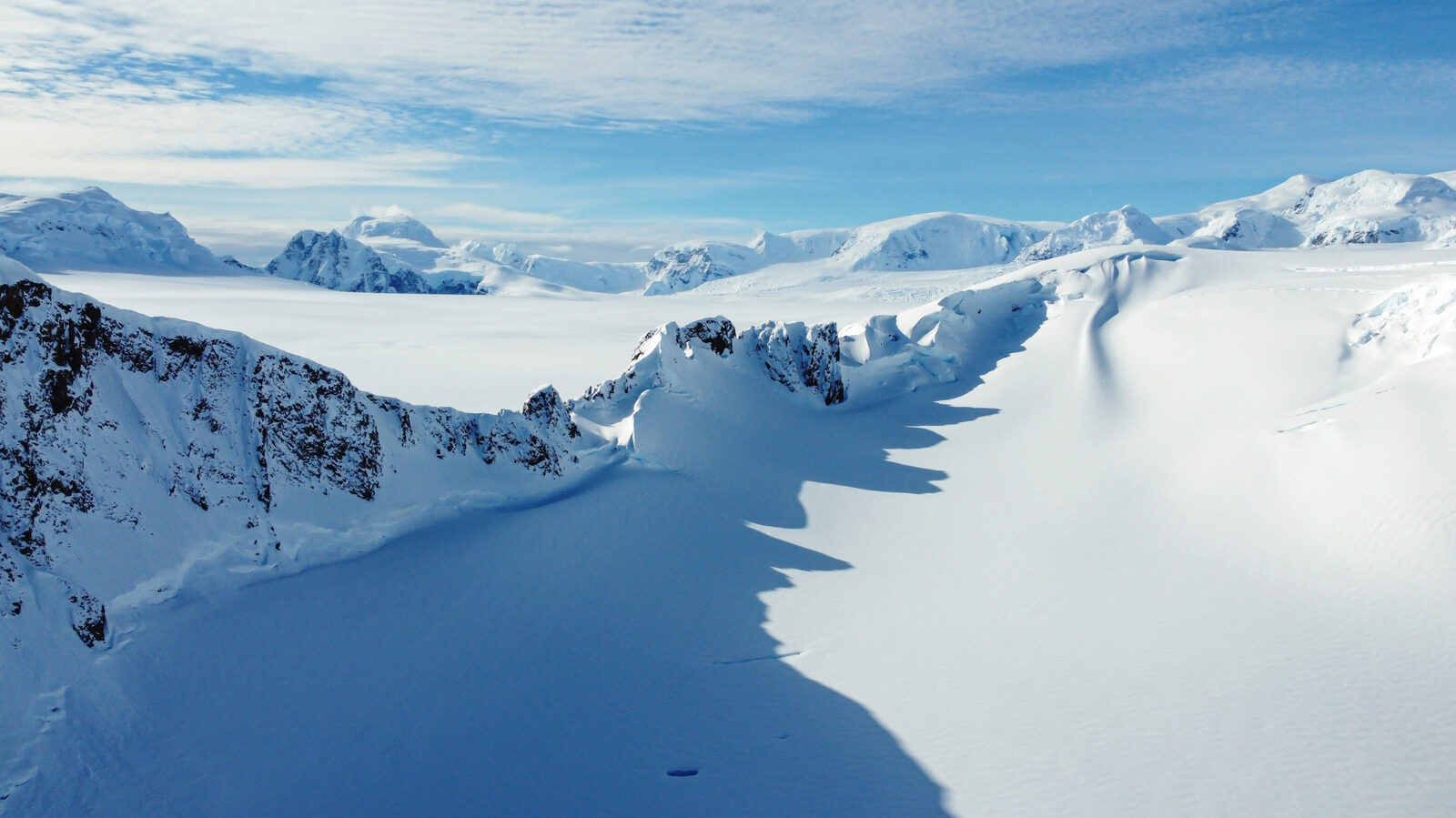
Have you ever wondered why commercial flights never traverse the icy expanse of Antarctica? While the answer may seem straightforward at first glance, it reveals a complex interplay of environmental challenges and safety regulations. Understanding the reasons behind this decision not only enriches our knowledge but also highlights the extreme conditions of one of Earth’s harshest climates.
Every day, the skies are filled with around 100,000 flights taking off and landing worldwide. Yet, notably absent from this bustling air traffic are routes that cross over Antarctica. The most frequently cited reason for this phenomenon is the lack of demand. With the majority of the global population residing in the northern hemisphere, it’s no surprise that over 90% of flight miles occur north of the equator. However, if one were to seek a direct flight between Australia and South America—often perceived as a route that could cut across the southern continent—such flights are conspicuously missing. Instead, aircraft generally fly around the Antarctic perimeter, avoiding the landmass altogether.
For travelers, this can be a source of frustration. Why should passengers take a longer route, missing the opportunity to capture breathtaking aerial views of the pristine, ice-laden landscape? The primary reason lies in regulatory frameworks that mandate aircraft remain within a specified distance of operational airports in case of emergencies. Since Antarctica lacks commercial airports, this regulation becomes a significant barrier. Yet, the underlying issue goes deeper, rooted in the extreme environmental conditions that characterize Antarctica.
The extreme weather conditions of Antarctica
Antarctica is known not just for its frigid temperatures, but also for its exceptionally harsh weather patterns. The continent experiences some of the most intense winds on Earth, with gusts reaching speeds of up to 200 miles per hour. This phenomenon can be attributed to a unique atmospheric condition in the troposphere, the lowest layer of the atmosphere where most weather events occur.
Typically, as altitude increases, temperatures drop due to the decreasing density of air. For instance, while the average global temperature hovers around 60 degrees Fahrenheit at sea level, the troposphere’s top can dip to about -60 degrees. However, Antarctica’s interior is even colder, averaging around -70 degrees Fahrenheit. This extreme cold causes cold air to sink, generating powerful katabatic winds, which can pose a severe risk to any aircraft attempting to navigate the region.
These winds are not just a nuisance; they create dangerous flying conditions. If a plane struggles against these gales, finding a safe landing spot becomes exceedingly difficult due to the remote and inhospitable nature of the landscape. Additionally, the frigid temperatures raise concerns regarding jet fuel, which can freeze at temperatures between -40 and -58 degrees Fahrenheit—well within Antarctica’s average temperatures. While aircraft insulation helps protect the fuel, long-duration flights over the continent could result in catastrophic failures.
Radiation risks associated with polar flights
While the formidable winds present a significant hazard to aircraft in Antarctica, another peril lurks just beyond the horizon: increased exposure to cosmic radiation. The Earth is continuously bombarded by radiation from the sun and other celestial bodies, posing a risk to human health. Earth’s magnetic field typically deflects these harmful rays, but its effectiveness diminishes near the poles. Consequently, radiation levels are notably higher in these regions.
Flying at high altitudes exacerbates this risk, as higher elevations lead to increased radiation exposure. A single flight across Antarctica may not push passengers beyond safe radiation limits, but frequent flights over the poles could accumulate harmful doses. This poses a significant concern for pilots and flight attendants who may regularly traverse these routes.
In recent revelations, the dangers of cosmic radiation have gained attention. For instance, a court in Korea concluded in 2023 that a flight attendant’s death from stomach cancer was directly linked to prolonged exposure to cosmic radiation. Such cases raise valid concerns among airline staff, who may hesitate to operate in regions with higher radiation levels.
Regulatory and logistical challenges
In addition to the environmental and health-related risks, there are also logistical and regulatory challenges associated with flying over Antarctica. The absence of airports means that emergency landings are virtually impossible, creating a significant safety hazard for airlines. Furthermore, the harsh weather conditions can lead to unpredictable flight patterns, complicating flight planning and increasing the potential for accidents.
Airlines must also consider the costs associated with operating flights in such extreme conditions. The infrastructure needed to support flights—such as maintenance facilities and support staff—is virtually nonexistent in Antarctica. This lack of support systems further deters airlines from establishing routes that cross the continent.
Potential alternatives for polar flights
Despite the challenges, there are ongoing discussions about the potential for developing safe polar flight routes in the future. Some airlines are exploring advanced technologies and strategies to mitigate the risks associated with flying over Antarctica. Possibilities include:
- Utilizing aircraft specifically designed to withstand extreme weather conditions.
- Implementing advanced navigation systems that can better predict and avoid dangerous weather patterns.
- Establishing temporary emergency landing sites to enhance safety.
- Conducting extensive research on cosmic radiation and its effects to better inform flight crew safety measures.
As interest in polar travel grows, the development of safe flight routes over Antarctica may one day become a reality. However, for now, travelers will have to settle for scenic views around the continent rather than directly above it. The combination of extreme weather, radiation risks, and logistical challenges ensures that the icy expanse remains largely untouched by commercial aviation.