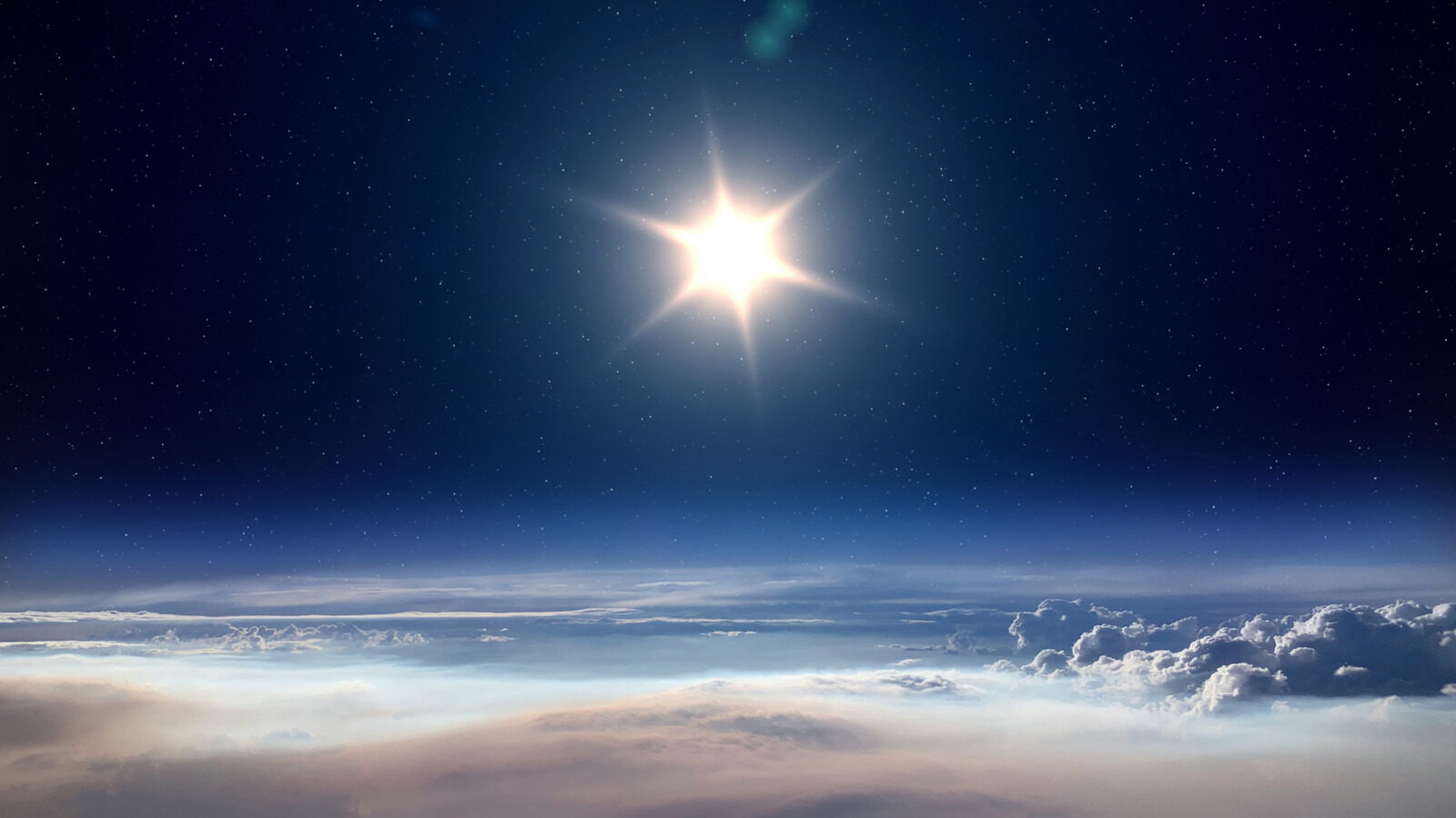

Have you ever wondered about the extreme temperatures experienced in outer space? The universe is a complex realm where temperature can swing dramatically, especially in areas close to Earth. Understanding these variations not only fascinates but also highlights the differences between our planet and the cosmos. In this article, we will delve into the temperature of outer space near Earth, exploring its extremes, the reasons behind these fluctuations, and the unique phenomena that occur in this vast expanse.
The temperature of outer space close to Earth
Remarkably, the coldest temperature ever recorded in the universe was achieved on Earth itself. In 2021, researchers at the University of Bremen in Germany cooled an object to just 38 trillionths of a degree above absolute zero. This is even colder than the chilly Boomerang Nebula, which astronomers estimate to be at a temperature of just 1 degree above absolute zero. This fascinating fact serves to remind us that, from a cosmic perspective, the temperature of space near Earth can actually be relatively warm.
Defining the boundary between Earth’s atmosphere and outer space isn’t straightforward. Instead, it is a gradual transition, with the atmosphere becoming thinner the higher one ascends. Geologists often refer to the Kármán line, situated at 100 kilometers (62 miles) above sea level, as a commonly accepted threshold where Earth’s atmosphere gives way to outer space. This line marks the altitude where planes can no longer maintain flight, essentially delimiting the realm accessible only by spacecraft.
Temperature measurements at the Kármán line are complex due to its location in the thermosphere, one of Earth’s atmospheric layers. Here, temperatures do not behave as they do at the surface; instead, they increase with altitude. Because this layer is exposed to solar radiation, it can experience extreme temperature variations. For example, the thermosphere can have temperatures as low as -184 degrees Fahrenheit in some areas, while in others, temperatures can soar beyond 3,600 degrees.
Factors contributing to extreme temperatures in near-Earth outer space
The dramatic temperature fluctuations in near-Earth outer space can be primarily attributed to solar activity. Unlike a constant light bulb, the sun’s output is uneven, resulting in varying solar weather patterns such as solar flares and solar winds. During periods of heightened solar activity, temperatures can increase by up to 930 degrees Fahrenheit, leading to significant changes in gas densities and temperatures in the thermosphere.
In general, the Earth’s atmosphere thins with altitude. However, specific areas experience localized fluctuations in density due to solar activity. The upper regions of the thermosphere, while sparse in gas molecules, are bombarded by high-energy X-rays and UV rays. This absorption of radiation can cause temperature variations ranging from 930 degrees to over 3,600 degrees Fahrenheit.
Additionally, the Earth’s day-night cycle plays a crucial role in temperature variations. The sunlit side of the thermosphere can be around 360 degrees hotter than the shadowed side, leading to rapid temperature changes throughout a 24-hour period.
Experiencing extreme temperatures: freezing and boiling simultaneously
Human beings possess a limited capacity to gauge temperature accurately. Our perception of temperature, known as thermoreception, is influenced by several factors, including humidity, wind, and atmospheric composition. For instance, turning on a fan creates a cooling sensation, even if the air temperature remains unchanged. This discrepancy is why weather reports often include a “feels like” temperature alongside the actual temperature.
The thermosphere exemplifies our flawed perception of temperature well. Even in regions where temperatures can reach thousands of degrees, a person would feel painfully cold. At an altitude of approximately 250 miles, the atmospheric density is only about 2 grams per cubic kilometer (0.3 ounces per cubic mile). This minuscule density means gas particles cannot retain enough heat to warm the skin, allowing body heat to escape rapidly.
In this frigid environment, while a person would experience the sensation of extreme cold, the low pressure would cause fluids in the body to begin boiling. Moreover, skin exposed to sunlight would face severe damage, not from heat but from harmful solar radiation. This juxtaposition of freezing and boiling illustrates the perilous nature of near-Earth outer space.
Comparing temperatures in space and on Earth
The temperatures encountered in outer space can be vastly different from those on Earth. Here are some comparisons that illustrate this contrast:
- Earth’s Surface: Temperatures range from about -128 degrees Fahrenheit in Antarctica to 134 degrees Fahrenheit in Death Valley.
- Thermosphere: Experiences extreme temperatures from -184 degrees Fahrenheit to over 3,600 degrees Fahrenheit.
- Near-Earth Space: Areas can have temperatures around 1 degree above absolute zero.
These examples highlight the stark contrasts between terrestrial and extraterrestrial temperatures and emphasize the complexities of measuring temperature in a non-uniform environment like outer space.
Long-term effects of temperature fluctuations on space missions
For space missions, understanding temperature variations is vital. Fluctuating temperatures can affect spacecraft design, operation, and the longevity of missions. Key considerations include:
- Material Selection: Spacecraft must use materials that can withstand extreme temperatures without degrading.
- Thermal Protection Systems: Insulation and shielding are critical to protect sensitive equipment from temperature extremes.
- Data Collection: Spacecraft are equipped with sensors to monitor temperature changes and ensure operational efficiency.
Engineers and scientists continuously study these temperature variations to enhance the safety and success of future missions. Understanding the thermal environment in space is pivotal for the development of new technologies and strategies for exploring the cosmos.
Conclusion: A universe of extremes
In summary, the temperature of outer space near Earth is a fascinating subject that reveals the complexities of our universe. From the extreme cold of the Boomerang Nebula to the scorching temperatures of the thermosphere, this vast expanse presents challenges and wonders alike. As we continue to explore and understand these phenomena, we gain valuable insights into the nature of space and our place within it.