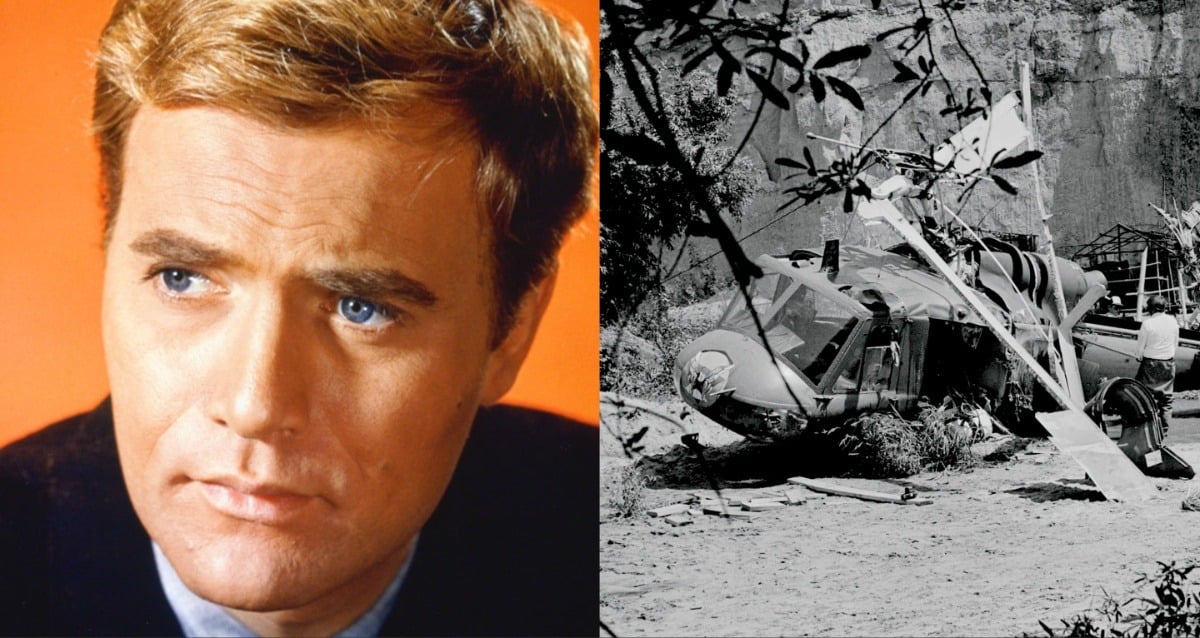

Vic Morrow was a beloved actor whose career spanned decades, leaving behind a legacy of memorable performances in films like “King Creole” and television shows like “Combat!”. He was known for his versatility and ability to bring characters to life with depth and authenticity. His tragic death on the set of “Twilight Zone: The Movie” in 1982 shocked the entertainment industry and continues to serve as a stark reminder of the importance of safety on film sets.
This unfortunate incident wasn’t just a heartbreaking accident; it exposed serious flaws within the filmmaking process. During a scene involving a helicopter crash and pyrotechnics, the aircraft malfunctioned, resulting in a devastating outcome. Morrow, along with two young child actors, Myca Dinh Le and Renee Shin-Yi Chen, lost their lives in this horrific tragedy. The investigation that followed revealed a deeply concerning picture: illegal activities on set, including underage child labor violations and a blatant disregard for safety protocols.
This event sent shockwaves through Hollywood, prompting much-needed conversations about the responsibility studios hold towards their actors and crew. The question of how did Vic Morrow die continues to resonate as a cautionary tale, highlighting the need for constant vigilance and rigorous safety measures on film sets.
The Twilight Zone Tragedy
The fateful day of July 23, 1982, began like any other on a film set – buzzing with activity and anticipation. Production on “Twilight Zone: The Movie” was in full swing, and the crew was preparing for a particularly challenging scene involving a helicopter crash and elaborate pyrotechnics. Vic Morrow, playing a role as an alien hunter, was ready to deliver what was sure to be another powerful performance. However, this scene would transpire into a horrifying tragedy that forever stained the history of film production.
As the helicopter descended amidst simulated flames, disaster struck. The aircraft malfunctioned, veering off course and crashing into the set with devastating force. The impact threw Morrow and two child actors – Myca Dinh Le and Renee Shin-Yi Chen – into a fiery inferno. This wasn’t just a tragic accident; it was a preventable catastrophe that exposed serious failings in safety procedures and ethical practices on the set.
The aftermath of the crash sent shockwaves through Hollywood. The world watched in disbelief as news of how did Vic Morrow die spread, mourning the loss of a talented actor and two young lives. The incident sparked intense scrutiny of film production practices, ultimately leading to significant reforms aimed at ensuring the safety and well-being of cast and crew members on future sets.
A Devastating Set Accident
The scene that was supposed to capture the drama of a helicopter crash turned into a horrific nightmare in an instant. The malfunctioning aircraft, combined with the uncontrolled use of pyrotechnics, created a deadly cocktail of chaos and destruction on set. Vic Morrow, along with two young actors, Myca Dinh Le and Renee Shin-Yi Chen, were caught directly in the path of the descending helicopter, leaving no chance for escape. The impact sent debris flying, engulfing the actors in flames, marking this as one of the most tragic accidents in cinematic history.
This wasn’t just a case of bad luck; it was a tragedy born from negligence and disregard for basic safety protocols. The investigation revealed a disturbing picture: inadequate training for crew members handling pyrotechnics, a lack of proper safety measures during the helicopter operation, and an overall culture of cutting corners on set.
It’s impossible to truly comprehend the pain and suffering caused by this senseless tragedy. The loss of three lives, especially two young children, serves as a stark reminder of the importance of prioritizing safety above all else in any working environment, especially one as demanding and potentially dangerous as film production.
Legal Fallout and Settlements
The aftermath of the “Twilight Zone: The Movie” tragedy was not only a personal and professional devastation for those involved but also triggered a legal battle that sought accountability for the preventable loss of life. A manslaughter trial ensued, aiming to determine if criminal charges were warranted against those responsible for the unsafe working conditions on set.
However, despite overwhelming evidence of negligence and disregard for safety protocols, no one was ultimately convicted in the legal fallout surrounding this horrific incident. The families of the victims, however, pursued civil lawsuits seeking justice and compensation for their unimaginable loss. Morrow’s daughters received settlements from the production company, while Myca Dinh Le and Renee Shin-Yi Chen’s parents also secured financial compensation through legal action.
While these settlements brought some closure to the families of the victims, they couldn’t erase the pain or replace the lost lives. The tragedy served as a catalyst for significant changes in Hollywood, prompting stricter regulations regarding the use of aircraft in film productions and emphasizing the paramount importance of safety on set.
Lessons Learned From a Fatal Error
The “Twilight Zone: The Movie” tragedy became a landmark case, forcing Hollywood to confront its own dangerous practices and the need for fundamental change. While no amount of regulation can fully prevent accidents on film sets, the lessons learned from this devastating event had a profound impact on industry standards.
Federal Aviation Administration (FAA) regulations were tightened, requiring more stringent safety measures for aircraft used in film productions. This included mandatory pilot training specific to aerial stunts and increased oversight of flight operations. Simultaneously, the Directors Guild of America implemented stricter guidelines for the use of pyrotechnics, emphasizing the importance of trained professionals and comprehensive safety protocols.
The tragedy also served as a wake-up call for studios, producers, and directors to prioritize the well-being of their cast and crew members. Steven Spielberg, who had been involved in the production, publicly advocated for safer working conditions on film sets, stating that no movie is worth a human life. This powerful statement resonated throughout Hollywood, prompting a shift towards a culture of greater safety consciousness and accountability.
Safety First on Film Sets
The “Twilight Zone” tragedy left an indelible mark on the film industry, prompting a seismic shift towards prioritizing safety on set. While accidents can happen, the lessons learned from this horrific event served as a catalyst for implementing stricter regulations and promoting a culture of responsibility.
Today, film sets operate under much stricter guidelines regarding the use of special effects, pyrotechnics, and aerial stunts. Mandatory safety protocols are in place, ensuring that trained professionals handle potentially dangerous equipment and operations. Regular safety checks and risk assessments have become commonplace, minimizing the likelihood of accidents occurring. Studios and production companies now face significant consequences for negligence, further incentivizing them to prioritize the well-being of their cast and crew.
The tragedy ultimately led to a more conscientious approach to filmmaking, where safety first is no longer just a slogan but an ingrained principle. While the memory of Vic Morrow, Myca Dinh Le, and Renee Shin-Yi Chen will forever serve as a solemn reminder of the human cost of negligence, their tragic deaths sparked a positive change that continues to protect countless lives in the entertainment industry.