
The world of horror is filled with creatures that haunt our nightmares and keep us up at night. From vampires to werewolves, there’s a monster for every fear. But some horrors are rooted in ancient beliefs and folklore, tapping into primal anxieties about the unknown. One such terrifying entity is Valak, a demon whose origins lie deep within centuries-old grimoires and whispered legends.
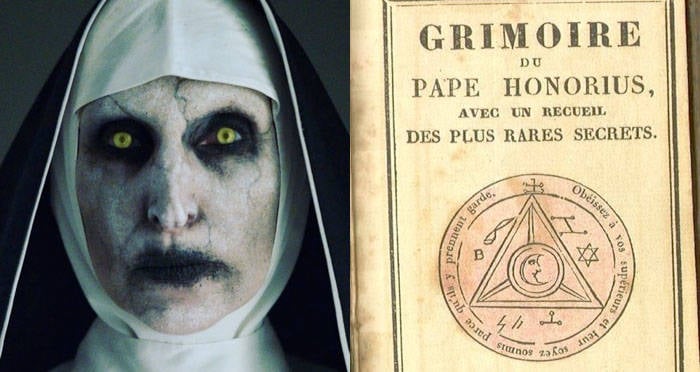
The valak true story is a fascinating blend of historical accounts and modern horror interpretations. While movies like “The Nun” have brought Valak to a wider audience, its roots stretch back to the 17th century. In this era, demons were more than just fictional creations; they were believed to be real forces that could influence human lives, often with disastrous consequences. The grimoire “Clavicula Salomonis Regis,” a collection of incantations and rituals attributed to King Solomon, is where Valak first appears in written form.
This ancient text describes Valak as a terrifying figure with the power to conjure serpents and lead an army of demonic creatures. Imagine a child with angel wings riding a two-headed dragon – that’s Valak according to traditional lore. This depiction of Valak, while chilling, is vastly different from the spectral nun we see in modern horror films like “The Conjuring” universe.
Valak in Folklore and Grimoires
Stepping deeper into the shadowy world of the occult, we find Valak’s presence woven through various grimoires and texts dealing with demonology. These ancient books often served as guides for those seeking to understand and even control the demonic forces believed to inhabit our world.
In these texts, Valak is consistently portrayed as a powerful entity, capable of manipulating both the physical and spiritual realms. Descriptions vary slightly, but common threads emerge: a menacing presence, an association with dark magic and deception, and a penchant for tempting mortals into dangerous pacts. Valak’s name itself carries weight, whispered in hushed tones by those who dared to delve into these forbidden texts, adding another layer to the demon’s terrifying mystique.
It’s important to remember that these grimoires were often written centuries ago, during a time when superstition and fear of the unknown ran deep. The stories about Valak reflect the anxieties and beliefs of that era, offering a glimpse into how people attempted to make sense of the world around them. Though viewed with skepticism today, these ancient texts continue to fascinate and inspire, reminding us of the enduring power of storytelling and our innate fascination with the dark side of humanity.
The Conjuring Universe and Real-World Encounters
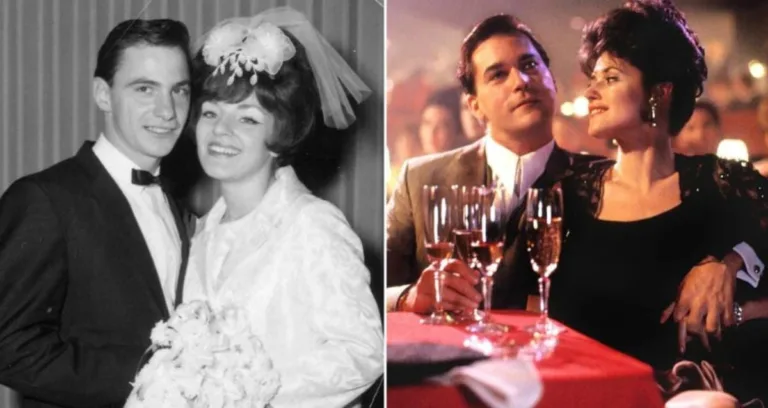
The modern fascination with Valak truly took flight with its introduction into “The Conjuring” universe. This popular horror franchise centers around paranormal investigators Ed and Lorraine Warren, who encounter a plethora of terrifying entities throughout their careers. While the films draw inspiration from real-life cases investigated by the Warrens, they often blend fact and fiction to create chilling narratives that keep audiences on the edge of their seats.
In “The Nun,” Valak’s demonic origins are directly linked to Lorraine Warren’s own experiences. The film depicts her encounter with a spectral nun at Borley church in the 1970s, an event that deeply disturbed her and fueled her belief in the power of evil. Director James Wan cleverly uses this real-world encounter as a foundation for Valak’s terrifying portrayal in the film, adding a layer of authenticity to the already chilling story.
This connection to reality, even if filtered through fictional storytelling, adds a unique dimension to valak true story. It blurs the lines between what is imagined and what might be real, leaving viewers to ponder the existence of these dark forces lurking just beyond our perception.
James Wan’s Interpretation of Valak as a Nun
Director James Wan’s decision to portray Valak as a nun in “The Nun” wasn’t just a visually striking choice – it was a deliberate attempt to tap into deeper fears and challenge the very faith of the characters within the film.
By cloaking this powerful demon in religious garb, Wan created a sense of profound unease. The image of a seemingly holy figure corrupted by evil is inherently unsettling, playing on our inherent trust and reverence for religious symbols. This subversion of expectations adds another layer to Valak’s terrifying presence, making it all the more disturbing and unforgettable.
For Lorraine Warren, whose Catholic faith is deeply ingrained in her beliefs, encountering Valak as a nun represents a personal attack on her core values. It’s a chilling reminder that evil can infiltrate even the most sacred spaces, casting doubt on everything she holds dear. This clash between faith and darkness fuels much of the tension in “The Nun,” making for a truly captivating and terrifying cinematic experience.
Demonic Influence and Religious Conflict
The portrayal of Valak in “The Nun” goes beyond simple jump scares and gore; it delves into the complex themes of demonic influence and religious conflict. The film explores the idea that evil can exploit our vulnerabilities, preying on our fears and doubts to corrupt even the most devout souls. This is particularly poignant in its depiction of Sister Irene, a young nun struggling with her faith who becomes a target for Valak’s insidious machinations.
The film effectively utilizes religious imagery and symbolism to heighten the sense of dread and unease. The once peaceful abbey is transformed into a battleground between good and evil, where prayers are twisted into curses and sacred objects become instruments of terror. This juxtaposition of the holy and the profane creates a deeply unsettling atmosphere that lingers long after the credits roll.
Ultimately, “The Nun” suggests that faith can be tested in the face of overwhelming darkness. It raises questions about the nature of belief and the resilience of the human spirit when confronted with forces beyond our comprehension. This exploration of * demonic influence* within a religious context adds a layer of depth and complexity to the film, making it more than just a horror spectacle.
Beyond the Screen: Valak’s Enduring Impact
The success of “The Nun” and its place within the larger Conjuring universe has undoubtedly solidified Valak’s position as a modern horror icon. Fans have embraced the terrifying nun, with numerous cosplays, fan art, and discussions centered around her chilling presence. This widespread fascination speaks to the power of effective horror storytelling and its ability to tap into our deepest fears.
Valak’s enduring impact extends beyond the realm of entertainment. The character has sparked renewed interest in demonology and folklore, prompting many to delve deeper into the history and beliefs surrounding these ancient entities. This resurgence of curiosity can be seen in online forums, academic studies, and even popular culture, where references to Valak appear in various media, cementing her place as a cultural touchstone.
Ultimately, Valak’s enduring legacy lies in her ability to tap into our primal fears and anxieties about the unknown. She serves as a chilling reminder that darkness can lurk even in the most seemingly sacred places, leaving us questioning the boundaries between reality and nightmare.