Understanding the physiological changes that occur after death is crucial, especially in forensic science. One of the key indicators used to determine the time of death is the phenomenon known as algor mortis. This article aims to delve into the nuances of body cooling after death, exploring various factors influencing this process and the implications for determining time of death.
Understanding algor mortis
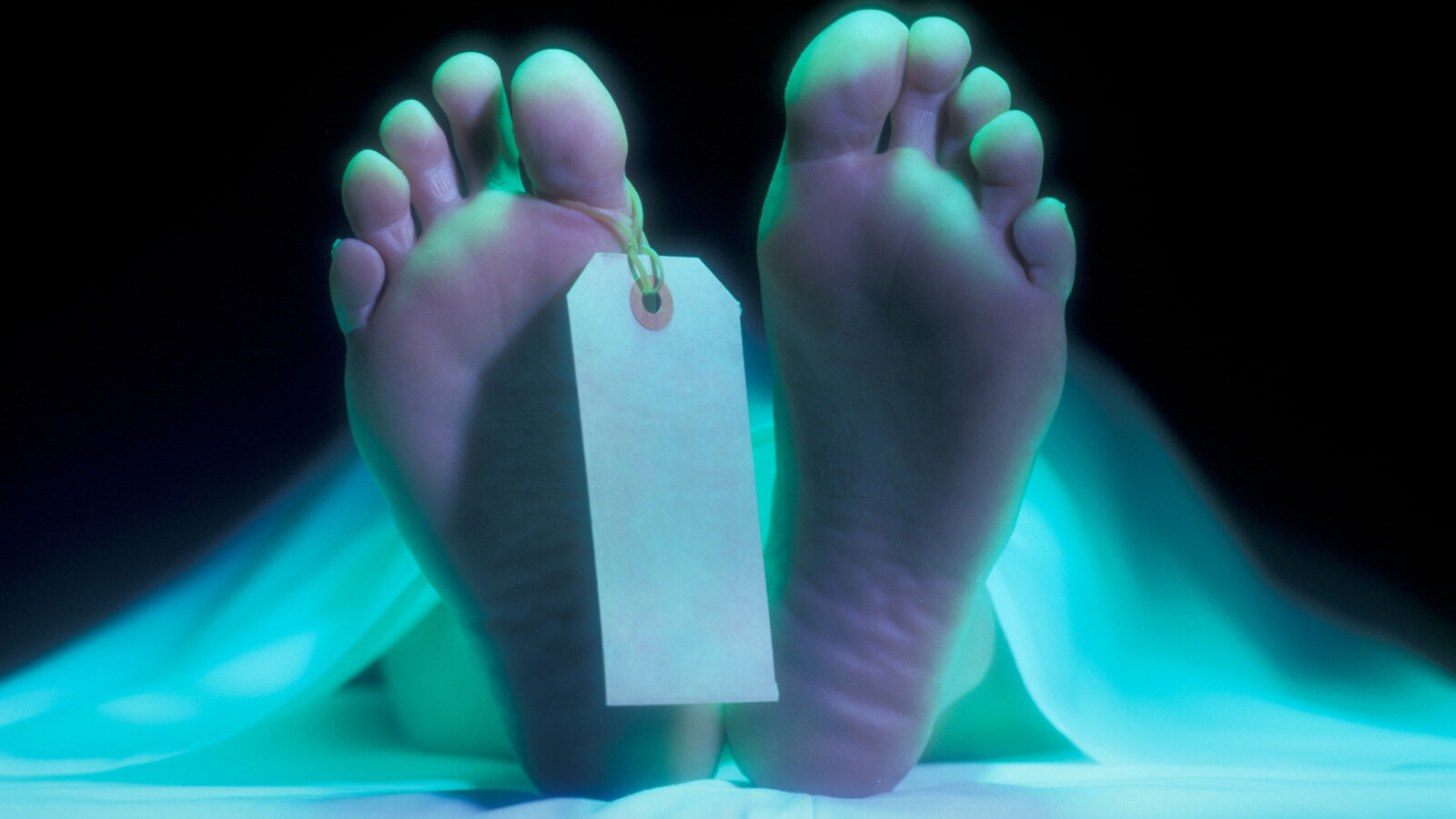
Algor mortis, which translates to “coldness of death,” refers to the postmortem cooling of the body. This physiological process is critical in forensic investigations as it helps establish the time elapsed since death. In a living body, internal processes such as metabolism and circulation maintain a stable temperature, typically around 98 to 100 degrees Fahrenheit (37 to 38 degrees Celsius). However, upon death, these processes cease, leading to a gradual decrease in body temperature.
The rate of cooling is generally estimated at about 1.5 degrees Fahrenheit (approximately 0.8 degrees Celsius) per hour. This means that within approximately 12 hours, the body will feel notably cool, and by 24 hours, it has typically reached the ambient temperature of its surroundings. This cooling pattern is a vital tool used by forensic experts to develop an approximate time of death.
Factors that affect algor mortis
While algor mortis follows a general pattern, several factors can influence the rate of cooling. These include:
- Environmental temperature: The temperature of the surrounding environment plays a significant role. A body in a hot, humid climate will cool more slowly than one in a cold environment.
- Humidity: High humidity can slow down the cooling process, as moisture can create a barrier that traps heat.
- Body composition: Individuals with higher body mass indexes (BMIs) or significant subcutaneous fat tend to retain heat longer, thus cooling at a slower rate.
- Clothing: The type and amount of clothing can insulate the body and slow down heat loss.
- Age: Infants and the elderly often cool faster than individuals in their prime due to lower metabolic rates and body fat distribution.
These factors must be carefully considered by investigators when estimating the time of death, making the process more complex than it initially appears.
How long does it take for a human body to get cold after death?
In a typical scenario, a human body begins to cool after death at an approximate rate of 1.5 degrees Fahrenheit per hour. To break this down further:
- Within the first hour: The body temperature starts dropping.
- After 12 hours: The body will generally be cool to the touch.
- After 24 hours: The body temperature is nearly equal to the ambient temperature.
It is important to understand that this cooling process varies based on the previously mentioned factors, and forensic experts use these observations in conjunction with other postmortem changes to establish a more accurate time of death.
How long does it take for a dog’s body to get cold after death?
Similar to humans, a dog’s body will also cool down after death, typically following a rate influenced by factors such as environmental temperature, humidity, and body composition. The general cooling rate remains consistent, averaging around 1.5 degrees Fahrenheit per hour. However, larger breeds with more body fat may retain heat longer than smaller breeds. In most cases:
- Within the first hour: Cooling begins.
- After 12 hours: The body feels noticeably cold.
- After 24 hours: The body temperature aligns closely with the surrounding environment.
Understanding these factors is particularly relevant for veterinary forensic investigations, as they help determine the time of death in animal cases.
How long does it take for a baby’s body to get cold after death?
The cooling process for infants can differ significantly from that of adults. Babies tend to cool more rapidly due to their lower body mass and fat content. The factors affecting their cooling include:
- Environmental conditions, similar to adults.
- Clothing or coverings, which can either insulate or expose them to the ambient temperature.
In general, a baby may cool at a slightly faster rate, potentially reaching ambient temperature within 12 hours. This rapid cooling highlights the need for specialized forensic knowledge when dealing with cases involving infants.
How long does it take for a cat’s body to get cold after death?
Like dogs and humans, cats also experience algor mortis after death. The rate at which a cat’s body cools can be affected by similar factors as well. Typically:
- In the first hour: The cooling process begins.
- After 12 hours: The body is noticeably cooler.
- After 24 hours: The temperature stabilizes at ambient levels.
Because of their smaller body size and varying amounts of body fat, cats may cool slightly faster than larger animals, adding another layer of complexity to forensic investigations involving pets.
How long does it take for a body to get ice cold after death?
When considering a body becoming “ice cold,” it is important to define what this means in the context of postmortem changes. A body will generally cool to the ambient temperature within 24 hours. However, for a body to reach temperatures significantly below room temperature (such as freezing), external conditions must be extreme, like being in a sub-zero environment. In typical scenarios:
- Cooling to room temperature: Approximately 24 hours.
- Significantly lower temperatures: Dependent on external environmental factors.
Understanding these dynamics is crucial for forensic specialists, as they assess the conditions surrounding a death scene and gather evidence for investigations.
Significance of algor mortis in forensic science
Algor mortis is more than just a physiological response; it is a critical component of forensic science. The ability to accurately estimate the time of death can have significant implications in legal investigations. Forensic experts combine algor mortis with other postmortem changes, such as rigor mortis and livor mortis, to create a comprehensive picture of the circumstances surrounding a death. This multidisciplinary approach helps to:
- Establish timelines in criminal investigations.
- Corroborate or refute alibis provided by suspects.
- Identify potential causes of death based on environmental factors.
As forensic science continues to evolve, the methodologies surrounding algor mortis will likely incorporate more advanced technologies and techniques, further enhancing the accuracy of time-of-death estimations.