The world of gambling is often clouded by misconceptions, particularly when it comes to understanding probability and chance. One of the most persistent myths is the so-called “law of averages.” Many gamblers cling to this idea, believing that after a series of losses, they are “due” for a win. But what does science really say about this phenomenon? Let’s delve into the realities of probability, the gambler’s fallacy, and how these concepts influence gambling behavior.
Understanding the law of averages
The term “law of averages” is commonly used in casual conversation but lacks a formal definition in the scientific community. It is often misconstrued to mean that outcomes should balance out over a short period, which leads to erroneous beliefs about probability, particularly in gambling contexts.
In reality, the concept is a misinterpretation of the law of large numbers, which states that as the number of trials increases, the average of the results will get closer to the expected value. This principle was established by Swiss mathematician Jakob Bernoulli in the 18th century, and it fundamentally relies on having a large sample size for accurate results.
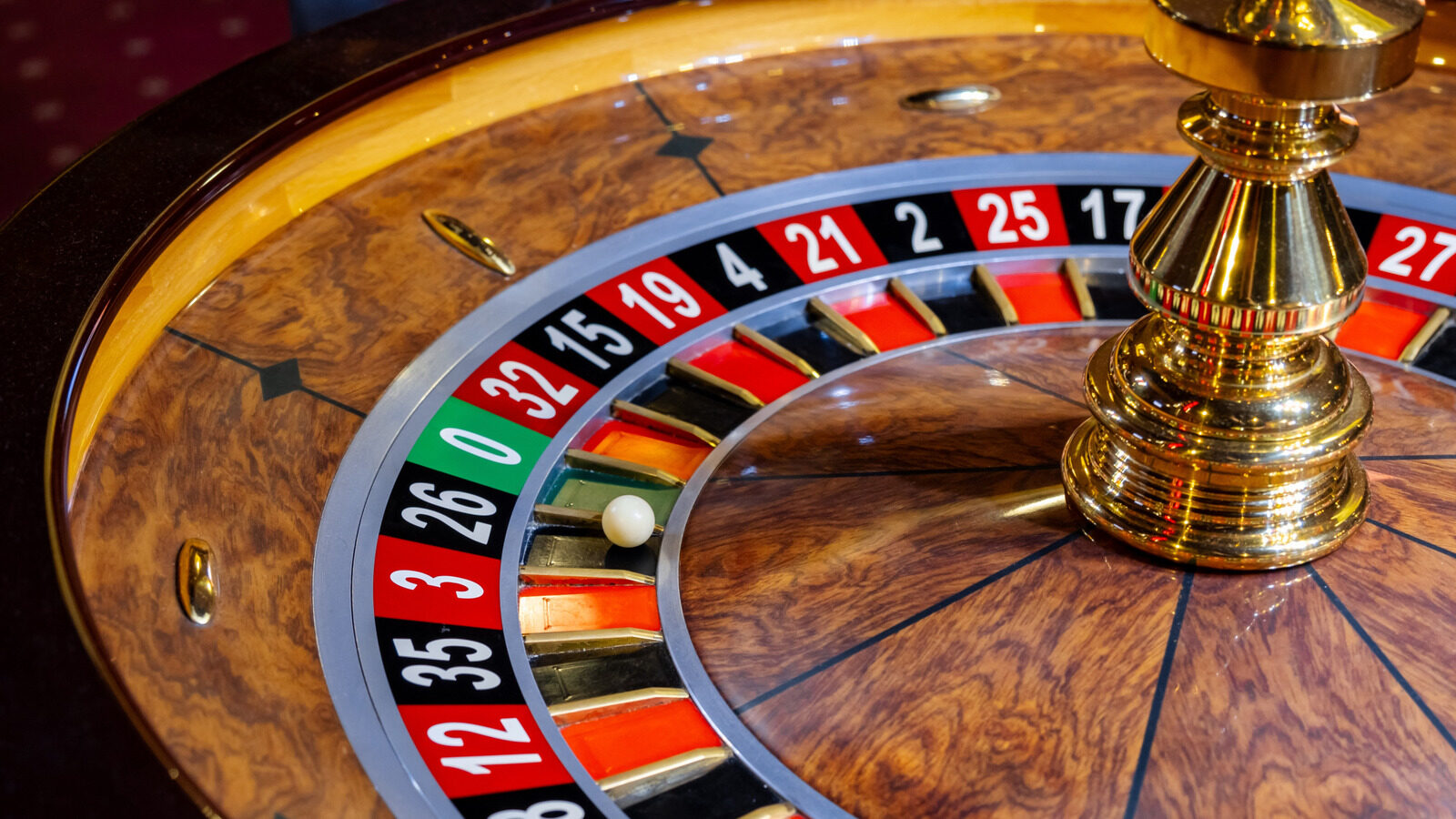
For example, consider a roulette wheel with equal chances of landing on red or black. Over a small number of spins, it’s possible to see streaks of the same color due to chance, but over thousands of spins, the distribution will tend to even out. The key takeaway is that it takes a vast number of repetitions to observe this phenomenon accurately.
The gambler’s fallacy explained
The gambler’s fallacy is a cognitive bias where individuals believe that past events influence future outcomes in independent random events. For instance, a gambler might think that after a series of black outcomes in roulette, a red outcome is “due.” This belief is fundamentally flawed because each spin of the wheel is an independent event with the same probability.
This misunderstanding can lead to ill-fated betting strategies, wherein gamblers chase losses, believing that their luck must eventually change. Such behavior can be detrimental, leading to greater losses and reinforcing the cycle of the fallacy.
- Each roulette spin is independent.
- The probability remains constant for every spin.
- Streaks or patterns do not influence future outcomes.
Mathematics in gambling: Can you predict outcomes?
While mathematics can be applied to gambling, it is crucial to understand its limitations. For example, you can calculate the odds of rolling a specific number on dice, but you cannot predict outcomes based on previous rolls because each roll is an independent event.
To illustrate, let’s examine dice probability:
- With a six-sided die, the probability of rolling a three is always 1 in 6.
- Regardless of how many times you roll, the odds do not change.
- It takes a significant number of rolls to observe a distribution of outcomes that reflects the expected probabilities.
To understand this better, consider a coin toss. Flipping a coin yields two possible outcomes: heads or tails. Even if you flip a coin ten times and get heads every time, the probability of heads on the next flip remains 50%. In order to approach a more balanced probability distribution—such as achieving a near equal number of heads and tails—you would need to flip the coin over a thousand times.
Common misconceptions about winning streaks
Many gamblers erroneously believe that after a series of losses, a win is not only probable but imminent. This belief can lead to the idea of “hot” and “cold” streaks in games of chance, where players think they can predict the right moment to bet based on patterns they observe.
However, these streaks are simply the result of random chance. This misconception can lead to increased betting after a loss, hoping to capitalize on a supposed upturn in luck that may never materialize. Here are some common misconceptions:
- A long losing streak means a win is due.
- A hot streak guarantees more wins.
- Chasing losses will eventually lead to recovery.
Psychological effects of gambling
The psychology of gambling is complex, influenced by cognitive biases like the gambler’s fallacy and the allure of luck. Understanding these psychological factors can help gamblers make more informed decisions. For instance, the desire to believe in luck can lead to persistent gambling despite mounting losses.
Additionally, the thrill of gambling can create a cycle of behavior that reinforces the gambler’s fallacy:
- Excitement from wins can overshadow rational thinking.
- Losses are often minimized or rationalized.
- The belief in personal luck can create a false sense of control.
Practical implications for gamblers
Recognizing the limits of probabilistic thinking can empower gamblers to make more rational choices. Here are a few strategies to mitigate the influence of the gambler’s fallacy:
- Set a budget: Establish a clear limit on how much you are willing to spend.
- Take breaks: Regularly step away from gambling to assess your emotions and decisions.
- Educate yourself: Understand the odds and probabilities behind the games you play.
- Avoid chasing losses: Accept losses as part of the experience rather than a signal to continue betting.
By approaching gambling with a clear understanding of probability and an awareness of cognitive biases, players can improve their experience and make more informed decisions, reducing the risk of falling into the trap of the gambler’s fallacy.