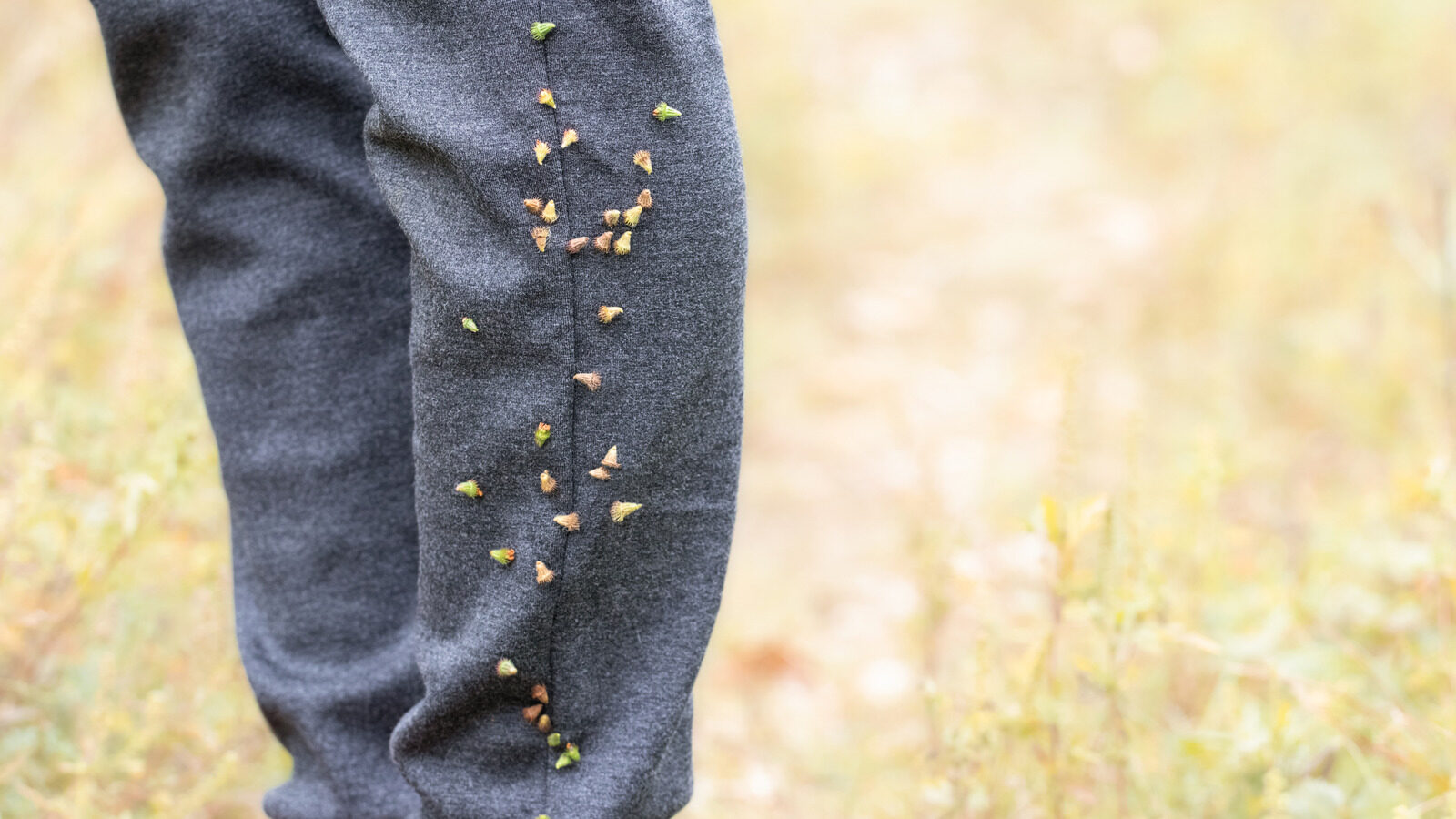
Have you ever gone for a walk in the woods, only to find your clothes covered in prickly, round seeds by the time you return home? These pesky little hitchhikers, known as burs (or burrs), serve a crucial purpose in the natural world. Understanding their role in plant reproduction reveals fascinating insights into nature’s intricate systems. Let’s delve deeper into what these spiky seeds are, how they work, and the plants that produce them.
Understanding burs: Nature’s clever seed dispersers
Burs are actually seed pods that come equipped with spikes or hooks, enabling them to cling to animals, clothing, and other surfaces. This unique design not only helps the plants reproduce but also ensures that their offspring can spread across vast distances. When animals or humans come into contact with burs, they inadvertently participate in the plant’s reproductive cycle by transporting the seeds away from the parent plant.
Different plants have evolved various types of burs, each suited to their specific environments and dispersal strategies. This diversity illustrates the remarkable adaptability of plants in their quest for survival.
Some key functions of burs include:
- Seed dispersal: By attaching to fur or fabric, burs can travel farther from the parent plant.
- Protection: The spiky exterior of burs helps protect seeds from being eaten by animals.
- Survival: Burs can remain dormant for long periods until they find a suitable environment to germinate.
What plants have burs?
Among the most recognizable plants that produce burs is the common burdock (Arctium minus). Originally native to Europe, burdock has established itself across the United States. This biennial plant showcases clusters of purple flowers in its second year, and its burs measure around three-quarters of an inch in diameter. Surprisingly, despite their prickly nature, burdock is cultivated in various parts of Europe and Asia for its edible roots, which are prized in culinary and medicinal traditions.
Another notorious bur-bearing plant is the coastal sandbur, scientifically known as Cenchrus spinifex. Commonly found in the southern and coastal United States, this plant grows low to the ground, making it easy to overlook until you find its burs snagged on your pant cuffs. The burs tend to grow in tight clusters, which can make the removal process a tedious task, as you might have to pick off multiple burs at once.
However, if you’re looking for a bur that could ruin your day, be wary of the puncturevine, Tribulus terrestris. Known for its sharp burs that can puncture through the skin, rubber shoe soles, and even bicycle tires, this plant has earned its reputation as a gardener’s nightmare. Although native to the Eastern Hemisphere, puncturevine has spread across various U.S. states, creating a challenge for those trying to maintain their gardens.
How burs interact with animals and humans
The relationship between burs and their carriers is a fascinating example of commensalism, where one species benefits without harming the other. When animals brush against plants with burs, they facilitate seed dispersal unwittingly. Some burs have tiny hooks that latch onto fur, allowing seeds to hitch a ride over considerable distances.
Interestingly, not all burs are benign. Some species, like the puncturevine, inflict discomfort or injury to their carriers, showcasing nature’s harsh reality. This evolutionary tactic ensures that seeds are effectively dispersed while also deterring potential predators.
The ecological significance of burs
The ecological role of burs extends beyond mere seed dispersal. They are part of a complex web of interactions that contribute to biodiversity and the health of ecosystems. Consider the following points:
- Promoting plant diversity: By facilitating the spread of seeds across different areas, burs contribute to genetic diversity within plant populations.
- Supporting wildlife: Many animals, including birds and mammals, benefit from the seeds contained within burs, making them an essential resource in various habitats.
- Soil health: As burs fall to the ground and germinate, they contribute to soil health by adding organic matter and nutrients.
How to manage burs in your yard
If you’re a gardener or homeowner, you may find yourself dealing with unwanted burs in your yard. Here are some effective strategies to manage and prevent the spread of bur-bearing plants:
- Regular maintenance: Regularly mow or trim areas where burs are prevalent to prevent them from maturing and dispersing seeds.
- Manual removal: Wearing gloves, remove burs by hand before they can spread. This is particularly effective for small infestations.
- Use mulch: Applying a layer of mulch can help suppress bur growth while also enriching the soil.
- Plant native species: Encourage the growth of native plants that compete with bur-bearing species for resources.
- Seek professional help: If burs become overwhelming, consider consulting a landscaping professional for assistance.
The fascinating world of burs: More than just an annoyance
While they may seem like mere nuisances, burs play a vital role in the ecosystem by aiding in seed dispersal and contributing to plant diversity. Their unique structures and evolutionary adaptations offer a glimpse into the intricate relationships that exist in nature. By understanding the significance of burs, we can develop better strategies for managing them and appreciate their place in the natural world.
Next time you find yourself picking burs off your clothes, remember that you’re participating in a much larger process of nature—one that has been perfected over millions of years.