
Abraham Lincoln, the sixteenth President of the United States, remains a towering figure in American history. Known for his eloquence, leadership during the Civil War, and unwavering commitment to preserving the Union, Lincoln’s legacy continues to inspire awe and debate. Yet, beyond his well-documented political achievements, a veil of mystery surrounds his personal background, particularly concerning his ethnicity.
Throughout his life and even after his assassination, whispers circulated about Lincoln’s possible African American heritage. These rumors stemmed from various observations: Lincoln’s physical appearance, which some described as “swarthy” with a dark complexion and coarse black hair; his close relationships with Black communities; and his evolving stance on slavery, which ultimately led to the Emancipation Proclamation.
While historians generally categorize Lincoln as white, the lack of concrete information about his ancestry has fueled speculation. This ambiguity echoes similar debates surrounding other presidents like Andrew Jackson, Thomas Jefferson, Warren G. Harding, Dwight Eisenhower, and Calvin Coolidge, all of whom have been suggested to possess multiracial roots. Lincoln’s case, however, stands out due to the enduring nature of the mystery and its profound implications for understanding his motivations and actions.
Lincoln’s Complex Relationship with African Americans
Lincoln’s relationship with African Americans was multifaceted and evolved over time. Initially, he held views common for his era, believing in gradual emancipation rather than immediate freedom. He famously stated, “As a House divided against itself cannot stand,” recognizing the inherent tension caused by slavery. However, as the nation plunged into civil war, Lincoln’s stance shifted dramatically.
He recognized that the Union could not be preserved without confronting the moral abomination of slavery head-on. This led to his issuance of the Emancipation Proclamation in 1863, declaring freedom for enslaved people in Confederate states. This bold move transformed the war into a fight for human rights and solidified Lincoln’s place as a champion of equality. Despite the controversy surrounding his earlier views, Lincoln’s later actions demonstrated a genuine commitment to racial justice.
Furthermore, Lincoln actively sought counsel from Black leaders and intellectuals throughout the war. He valued their perspectives and insights, recognizing their unique understanding of the struggles they faced. This willingness to listen and learn fostered a level of trust and collaboration that was unprecedented for his time. Through these interactions, Lincoln gained a deeper appreciation for the complexities of race relations in America.
The Evolution of Lincoln’s Stance on Slavery
While Abraham Lincoln is celebrated as the Great Emancipator, his views on slavery were not always so clear-cut. Initially, like many in his time and place, Lincoln believed in gradual emancipation rather than immediate freedom for enslaved people. He saw slavery as a moral ill but also recognized the economic and social complexities intertwined with the institution. His early political writings reflect this nuanced position, advocating for colonization of freed slaves in Africa as a potential solution.
However, Lincoln’s views underwent a profound transformation as the nation descended into civil war. The horrors of battle, the urgent need to preserve the Union, and increasing pressure from abolitionists all contributed to his evolving stance. He came to recognize that slavery was not merely an economic issue but a fundamental threat to the very principles upon which America was founded. This realization led him to embrace a more radical vision of freedom, culminating in the Emancipation Proclamation of 1863.
The proclamation declared freedom for enslaved people in Confederate-held territory, effectively transforming the Civil War into a fight against slavery itself. Lincoln’s willingness to take such a bold step cemented his legacy as a champion of human rights and marked a turning point in American history. His journey from cautious pragmatism to unwavering commitment to abolition reveals a man deeply shaped by the tumultuous events of his time.
Physical Descriptions and Speculation About Ancestry
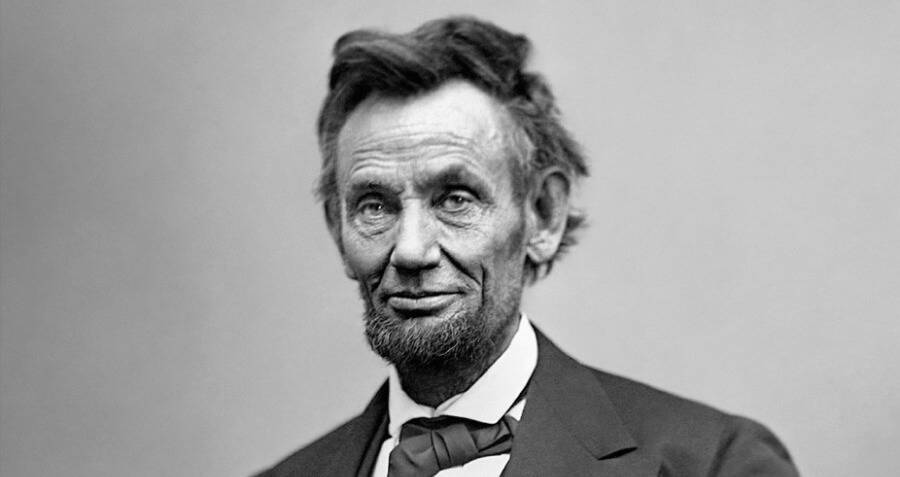
Descriptions of Lincoln’s physical appearance often contribute to the intrigue surrounding his ethnicity. Some accounts depict him as having a “swarthy” complexion with dark hair and eyes, traits not typically associated with European ancestry in that era. These characteristics, coupled with his relatively tall stature and strong features, have fueled speculation about possible African American heritage.
Adding fuel to the fire, Lincoln was notoriously secretive about his family history, particularly concerning his mother, Nancy Hanks, a subject he rarely discussed. This silence only deepened the mystery surrounding his origins. While historians generally classify Lincoln as white based on available historical records, the lack of concrete evidence leaves room for alternative interpretations.
Furthermore, political cartoons from his time often depicted him in racially charged scenarios, further blurring the lines between fact and fiction. These images, while undoubtedly meant to be provocative and satirical, contributed to a public perception that was both complex and contradictory.
Uncovering the Mystery: Lincoln’s Family History
The mystery surrounding Abraham Lincoln’s ethnicity is intricately tied to the scarcity of information about his family history. Unlike many presidents who had well-documented genealogies, Lincoln’s early life remains shrouded in obscurity. He rarely spoke about his mother, Nancy Hanks, and her own lineage has proven difficult to trace. This lack of historical records has left scholars with tantalizing clues but few concrete answers.
Some researchers have focused on deciphering the names of potential ancestors mentioned in fragmented documents or local folklore. Others have examined land records and census data in an attempt to piece together a more complete picture. Despite these efforts, much about Lincoln’s family background remains unknown. This void has only intensified the speculation surrounding his origins, leading some to believe that deliberate attempts were made to conceal certain aspects of his past.
The quest to unravel Lincoln’s family history is ongoing, with historians continually combing through archives and conducting genealogical research. Each new discovery, no matter how small, offers a glimpse into the man behind the legend and sheds light on the complex societal forces that shaped him. Ultimately, uncovering the truth about Lincoln’s ancestry may not only provide closure to this historical enigma but also offer valuable insights into the evolution of race relations in America.
Presidential Multiracial Roots: A Historical Parallel
The speculation surrounding Lincoln’s ethnicity isn’t unique to his presidency. A number of other American presidents have faced similar scrutiny, with hints and whispers suggesting multiracial ancestry woven into their personal narratives. Andrew Jackson, known for his fierce independence and populist appeal, has been linked to Cherokee heritage. Thomas Jefferson, the author of the Declaration of Independence, fathered children with Sally Hemings, an enslaved woman, revealing a complex and deeply personal entanglement with race.
More recently, presidents like Warren G. Harding, Dwight Eisenhower, and Calvin Coolidge have also been subjects of speculation regarding their possible mixed heritage. These historical parallels suggest that questions surrounding presidential ancestry are not merely curiosities but rather reflections of the ongoing societal struggle to confront America’s complicated racial history.
The enduring fascination with these stories speaks to our desire to understand the full humanity of those who shaped our nation. Just as Lincoln’s legacy continues to inspire and provoke debate, so too do these whispers about his possible multiracial roots serve as a reminder that history is rarely black and white, but often exists in shades of gray.