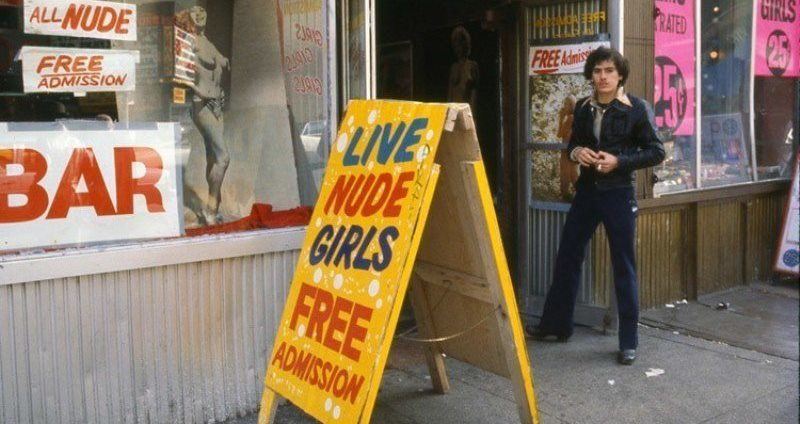
Times Square, a beacon of entertainment and global tourism today, boasts dazzling billboards, vibrant theaters, and bustling crowds. However, its history is far from the glitz and glamour it portrays now. In the latter half of the 20th century, Times Square bore witness to a dramatic decline, transforming into a symbol of urban decay and lawlessness. This period saw an alarming rise in crime rates, fueled by a proliferation of adult theaters, sex shops, and rampant prostitution times square.
The intersection became synonymous with seediness, a haven for illicit activities that cast a long shadow over the city’s aspirations. By 1984, over 2,300 crimes were committed annually within a single block radius, painting a stark picture of fear and desperation. While many New Yorkers turned their backs on the area, others persisted in documenting its descent, capturing haunting images that serve as a testament to this forgotten era. A poignant video titled “Doin Time In Times Square” further illuminates these grim realities, offering a glimpse into the lives lived and lost amidst the chaos.
This transformation was not simply a matter of statistics; it was a societal crisis that impacted countless individuals. The rise in times square prostitution became intertwined with poverty, drug addiction, and mental health issues, creating a complex web of interconnected problems that demanded attention and intervention.
The Rise of Vice in Times Square
The seeds of Times Square’s decline were sown in the wake of the Great Depression. As economic hardship gripped the nation, a wave of poverty and desperation swept through New York City, leaving many vulnerable to exploitation and criminal activity. This fertile ground allowed for the burgeoning of vice industries, offering quick profits and catering to an increasingly disillusioned population.
Adult theaters, with their suggestive productions and racy themes, began to multiply, drawing in both curious onlookers and those seeking escape from harsh realities. Sex shops sprung up alongside these venues, peddling a variety of erotic paraphernalia, further normalizing the open display of sexuality within the area. This transformation was not solely driven by economic factors; societal attitudes towards sex and morality were also evolving during this period, contributing to a growing acceptance for more explicit forms of entertainment and commerce.
As the decades progressed, these establishments proliferated, drawing in an even larger clientele and solidifying Times Square’s reputation as a hub for adult entertainment. The influx of patrons seeking illicit thrills inadvertently fueled a surge in prostitution times square, creating a dangerous undercurrent of vulnerability and exploitation that would cast its shadow over the area for years to come.
27 Photographs: A Glimpse into a Bygone Era
A collection of 27 photographs serves as a powerful visual testament to Times Square’s transformation in the late 20th century. Captured during the peak of its decline, these images offer a chilling glimpse into a bygone era, revealing the stark realities of rampant crime and social decay.
Blurry streetlights cast an eerie glow on darkened corners, while figures huddled in shadows, their faces obscured by cigarette smoke or deep despair. The once vibrant storefronts are now shrouded in grime, adorned with faded signs advertising adult theaters and sex shops, a stark reminder of the area’s descent into vice. One photograph, particularly haunting, depicts a lone police officer standing amidst a throng of onlookers, seemingly outnumbered and overwhelmed by the chaotic scene unfolding before him.
These photographs are not merely historical artifacts; they are poignant reminders of a time when Times Square teetered on the brink of oblivion. They serve as a stark reminder of the human cost of societal neglect and the resilience of those who persevered through this dark chapter in the city’s history.
From Crime Hotspot to Tourist Destination
The transformation of Times Square from a crime-ridden hotspot to a vibrant tourist destination is a testament to the power of urban renewal and community revitalization. Beginning in the 1980s, city officials launched a multi-faceted campaign aimed at reclaiming the area from its troubled past. This involved cracking down on criminal activity, investing in public safety measures, and encouraging the development of family-friendly businesses.
The emphasis shifted towards creating a welcoming and vibrant atmosphere that appealed to both residents and visitors. The construction of new theaters, restaurants, and entertainment venues drew in crowds, while the introduction of stricter regulations helped curb the proliferation of adult shops and prostitution times square. This concerted effort gradually reshaped the landscape of Times Square, replacing the seedy underbelly with bright lights, bustling crowds, and a sense of optimism.
Today, Times Square stands as a global symbol of entertainment and urban renewal, attracting millions of visitors annually. Its dazzling billboards, iconic theaters, and festive atmosphere have cemented its place as one of the world’s most recognizable landmarks. The remarkable turnaround serves as an inspiring example of how determination and community collaboration can transform even the most challenging environments into thriving hubs of activity and culture.
Times Square Reinvention and its Legacy
The reinvention of Times Square is a powerful narrative of urban transformation, showcasing the potential for renewal and regeneration even in the face of deep-seated challenges. It serves as a reminder that societal issues, like crime and poverty, are complex and multifaceted, demanding comprehensive solutions that address root causes.
While the physical changes to the area were undeniably impactful, the true legacy of Times Square’s transformation lies in its broader implications for urban planning and social policy. The success of this revitalization project highlights the importance of community engagement, public-private partnerships, and a long-term commitment to addressing systemic issues. It demonstrates that by investing in safety, infrastructure, and cultural initiatives, cities can reclaim neglected spaces and foster vibrant, inclusive communities.
The story of Times Square serves as an ongoing case study for urban planners and policymakers worldwide, demonstrating the transformative power of collective action and the enduring human capacity for renewal. It reminds us that even the most troubled areas can be revitalized, offering hope for a brighter future and inspiring continued efforts to create safe, thriving cities for all.
The Enduring Allure of New York City
Despite its tumultuous past, Times Square remains a symbol of New York City’s enduring allure—a beacon that draws millions from around the globe each year. Its vibrant energy, pulsating with a unique blend of commerce, culture, and entertainment, captures the essence of this captivating metropolis. It represents the city’s ability to reinvent itself, constantly evolving while retaining its iconic spirit.
Beyond the glitz and glamour, New York City offers something for everyone. From world-class museums and theaters to bustling parks and diverse neighborhoods, there is an endless tapestry of experiences waiting to be discovered. The city’s relentless pace and unwavering ambition create a dynamic atmosphere that both challenges and inspires its inhabitants and visitors alike. This sense of constant motion and possibility is what truly sets New York apart, making it a destination unlike any other.
The enduring allure lies not just in the physical landscape but also in the intangible energy that permeates every corner. It’s a city where dreams are pursued with fervor, where innovation thrives, and where diversity is celebrated.