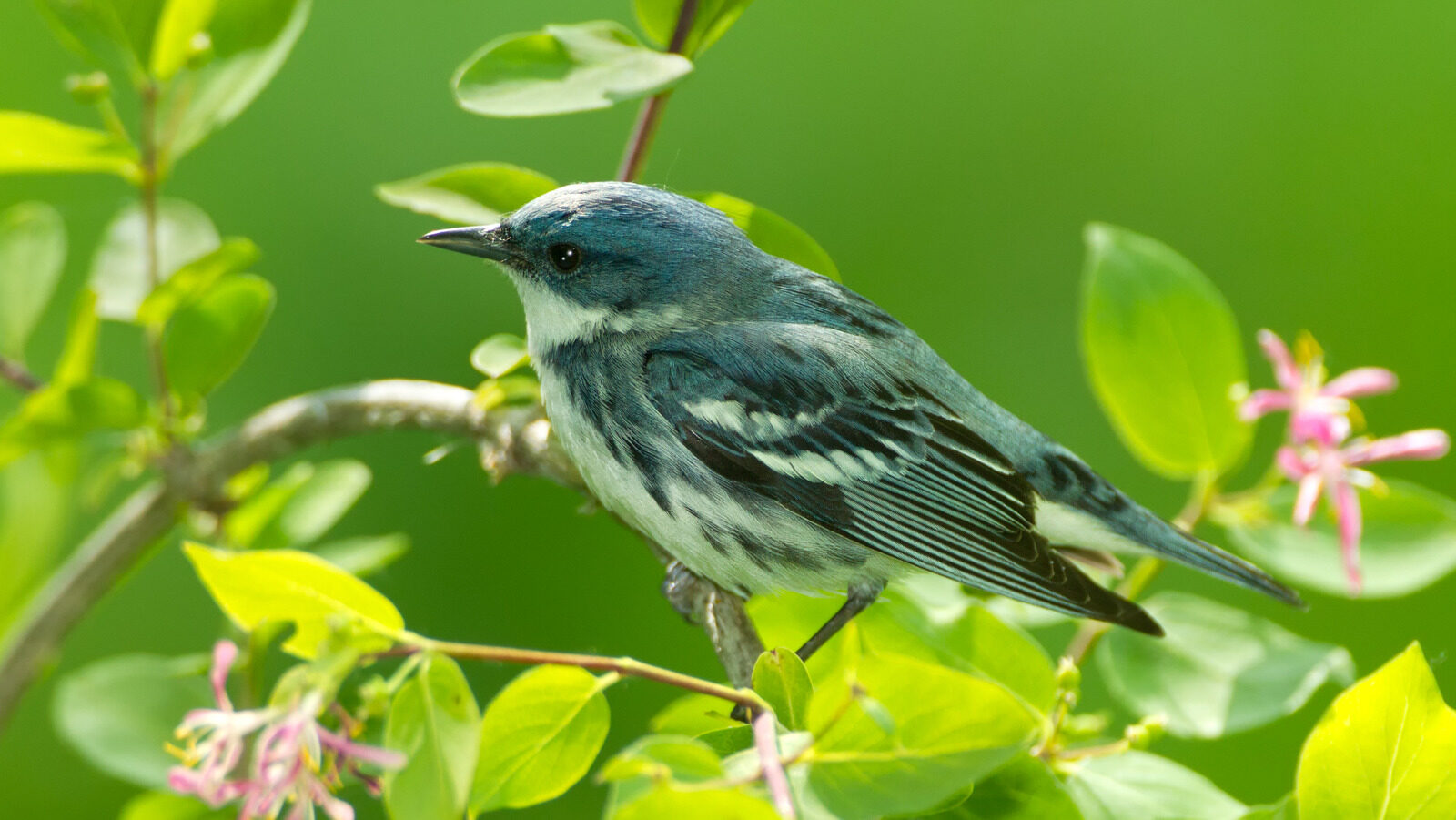
Birdwatching can be an exhilarating experience, especially when it leads you to encounter rare species that few have the privilege to see. Among these elusive creatures is the cerulean warbler, a small but stunning bird that graces Indiana’s forests during the warm months. Understanding its significance not only enhances our appreciation for avian biodiversity, but also highlights the environmental challenges these birds face.
As we delve deeper into the lifecycle and habitat of the cerulean warbler, we uncover the importance of conservation efforts and what makes these birds a unique aspect of Indiana’s natural heritage. Let’s explore the fascinating world of this rare songbird.
The cerulean warbler’s vulnerable status in Indiana
Indiana’s rich wildlife tapestry includes various species, but the cerulean warbler has become a vulnerable visitor in the state. Historically, this songbird was prevalent across eastern United States forests, particularly in the Ohio and Mississippi River valleys. However, due to significant habitat loss, its population has drastically diminished, prompting conservationists to take action.
Several factors contribute to the cerulean warbler’s vulnerable status, including:
- Deforestation: The clearing of forests for agriculture and urban development has reduced suitable nesting habitats.
- Climate Change: Changing weather patterns affect the availability of food and nesting sites.
- Invasive Species: Non-native plants and animals disrupt local ecosystems, making it harder for native species like the cerulean warbler to thrive.
- Fragmentation: Isolated forest patches limit the birds’ ability to find mates and suitable habitats.
According to the North American Breeding Bird Survey, the cerulean warbler population has decreased by a staggering 63% between 1966 and 2019. This decline serves as a wake-up call for conservation efforts not only in Indiana but across its historical range.
Understanding the cerulean warbler’s lifecycle
The cerulean warbler is a migratory bird, traveling thousands of miles between its wintering grounds in the Andes Mountains of South America and its breeding territories in North America. This journey is not only remarkable but also perilous, as these tiny birds face numerous dangers along the way.
During the breeding season, which typically spans from mid-April to mid-July, cerulean warblers can be found in Indiana’s deciduous forests. Their nesting preferences include:
- Large Trees: They prefer mature forests with large trees that provide ample cover and nesting opportunities.
- Younger Trees: The presence of younger trees creates openings in the canopy, which are ideal for foraging and singing.
- Mixed Forests: Cerulean warblers thrive in forests that contain a mixture of tree ages and species.
These birds rely on the upper canopy for feeding and breeding, often utilizing gaps in the foliage to project their charming songs, which are crucial for attracting mates. Their breeding success is closely tied to the health of their forest habitats.
The cerulean warbler as a temporary resident of Indiana
Though Indiana hosts over 300 bird species throughout the year, the cerulean warbler stands out due to its rarity. This small songbird, measuring less than 4.5 inches in length, is characterized by its vibrant blue plumage adorned with streaks of white and black in males, while females exhibit a more subdued blue-green coloration with hints of yellow.
Despite their declining numbers, Indiana remains a critical stopover for cerulean warblers during the summer months. Their migration involves:
- Traveling 3,000 miles: Cerulean warblers undertake a long journey from South America to nest in southern Indiana.
- Nesting in Ideal Conditions: They favor forests with a mix of tree sizes, which provide both shelter and food.
- Returning in July: By mid-July, they begin their journey back to the Andes for the winter.
The timing of their arrival in Indiana aligns with the peak of spring, allowing them to take advantage of the abundant insect populations that emerge during this season. This timing is critical for their reproductive success.
The importance of conservation efforts
Given the cerulean warbler’s vulnerable status, conservation efforts are essential to ensure this species does not face extinction. Various initiatives focus on habitat restoration, preserving existing forests, and combating invasive species. Key strategies include:
- Restoration Projects: Reforesting areas that have been cleared can help restore natural habitats.
- Public Awareness: Educating communities about the importance of preserving native species and their habitats.
- Monitoring Programs: Conducting regular surveys to track cerulean warbler populations and health.
Organizations and researchers are working tirelessly to implement these strategies across Indiana’s diverse ecosystems. With continued efforts, it is hopeful that the cerulean warbler can regain a more stable population and thrive once more in its native habitats.
How to spot a cerulean warbler in Indiana
For bird enthusiasts eager to catch a glimpse of the cerulean warbler, knowing where and when to look can greatly increase your chances. Here are some tips for spotting these beautiful birds:
- Visit Deciduous Forests: Focus on areas with a mix of mature and younger trees.
- Listen for Their Song: The males are known for their distinctive songs, which can help locate them.
- Go During the Right Time: Plan your visits between mid-April and mid-July, when they are nesting.
Additionally, participating in local birdwatching groups can enhance your experience. Not only will you learn more about the cerulean warbler, but you’ll also connect with fellow bird lovers who share your passion.
In conclusion, the cerulean warbler is more than just a rare bird; it symbolizes the intricate balance of ecosystems and the importance of preservation efforts. By understanding its plight and actively participating in conservation initiatives, we can help ensure that future generations will also have the opportunity to admire this remarkable species.