
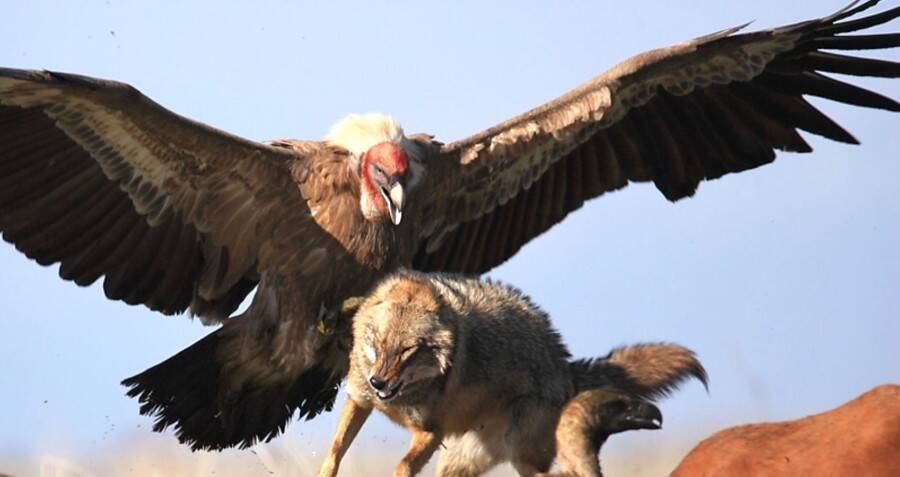
The world of birds is incredibly diverse, encompassing a range of species with fascinating adaptations and behaviors. But some avian creatures possess an aura of mystery and intrigue that sets them apart from the rest. These are the gothic birds, those with appearances that hint at ancient lore and shadowy forests. Their striking features, often black and crimson hues, sharp beaks, and piercing gazes seem plucked straight from a gothic novel’s pages.
While many associate these creatures with fearsome imagery, their ecological roles are essential to maintaining healthy ecosystems. In this exploration, we’ll delve into the captivating world of nine such avian enigmas, beginning with the enigmatic Dracula parrot, a rare sight found amidst the lush jungles of New Guinea. Its distinctive black and red plumage resembles a flowing cape, while its vulture-like beak and beady eyes lend it an air of both menace and elegance.
Beyond its striking appearance, the Dracula parrot’s behavior and breeding habits remain largely shrouded in mystery, highlighting the need for further research into this fascinating species. As we journey through these avian wonders, remember that their captivating appearances often mask intricate ecological roles and vital contributions to the balance of nature.
The Dracula Parrot: A Bird of Mystery
The Dracula parrot, scientifically known as Psittrichas fulgidus, is a true spectacle of the avian world. Endemic to the rainforests of New Guinea, this rare bird is instantly recognizable thanks to its striking plumage. Its black feathers are punctuated by vibrant crimson accents that resemble a gothic cape billowing in the wind. The bird’s name aptly reflects its captivating appearance, conjuring images of ancient legends and shadowy forests.
Despite its imposing looks, the Dracula parrot isn’t a predatory creature like its namesake. It primarily feeds on figs, using its strong beak to crack open these fruits and extract the sweet flesh within. This dietary preference highlights its crucial role in seed dispersal, contributing to the regeneration of rainforest ecosystems. Although much remains unknown about their social behavior and breeding habits, observations suggest that they live in small flocks, engaging in elaborate vocalizations and displays.
The Dracula parrot’s enigmatic nature makes it a prime target for scientific research, with ongoing efforts aiming to unravel the secrets of its life cycle and conservation needs. As habitat loss due to logging and the illegal pet trade threaten this unique species, understanding its biology and ecology becomes even more crucial for ensuring its survival.
Gothic Features: Appearance and Behavior
The allure of gothic birds stems from their captivating physical attributes and intriguing behaviors. Often characterized by dark plumage, striking contrasts, and piercing gazes, these avian creatures evoke a sense of mystery and otherworldly beauty. Their features seem to blur the lines between the natural world and gothic fantasy, capturing our imaginations with every glance.
Beyond their visual impact, gothic birds often exhibit behaviors that further amplify this enigmatic aura. From haunting calls echoing through ancient forests to elaborate courtship rituals involving intricate dances and vocal displays, these creatures possess an air of ritualistic grace that sets them apart from more commonplace avian species. Their solitary nature, preference for twilight hours, and tendency to inhabit shadowy corners of the natural world only serve to enhance their mystique.
It’s important to remember that while we may find fascination in their gothic aesthetic, these birds are integral parts of their respective ecosystems. They play vital roles in seed dispersal, pollination, and pest control, contributing to the delicate balance of nature just as much as their brighter-colored counterparts.
Diet and Habitat: Unique Lifestyle
The unique lifestyles of gothic birds often reflect their specialized diets and preferred habitats. Many species thrive in dimly lit forests, where they forage for insects, fruits, or even nectar hidden among the foliage. Their cryptic coloration provides excellent camouflage against the dappled sunlight filtering through the canopy, allowing them to move undetected amongst the branches.
Some gothic birds, like the aptly named Dracula parrot, specialize in consuming figs, playing a crucial role in seed dispersal within their rainforest homes. Others, such as certain species of owls, are nocturnal hunters with exceptional eyesight and hearing, preying on small mammals and insects under the cover of darkness. Their adaptations to these specialized niches showcase the remarkable diversity and ingenuity found within the avian world.
The habitats of gothic birds range from dense forests and shadowy wetlands to rocky cliffs and even abandoned buildings, demonstrating their adaptability to various environments. However, human encroachment and habitat destruction pose significant threats to many of these species, highlighting the importance of conservation efforts aimed at protecting their unique lifestyles and ensuring their continued survival.
Threats to Survival: Conservation Concerns
Despite their captivating allure, many gothic birds face a growing number of threats that jeopardize their survival. Habitat loss due to deforestation, urbanization, and agricultural expansion continues to fragment and destroy the forests, wetlands, and other habitats these creatures depend on. This fragmentation not only reduces available food sources and nesting sites but also isolates populations, making them more vulnerable to genetic decline and disease outbreaks.
The illegal pet trade poses another significant danger to gothic birds. Their striking appearances and unusual behaviors make them highly sought after by collectors, leading to rampant poaching and trapping in the wild. This unsustainable practice depletes wild populations and often results in the deaths of captured birds due to stress, malnutrition, and improper care.
Addressing these threats requires a multifaceted approach that involves habitat protection and restoration, stricter enforcement against illegal wildlife trade, and public awareness campaigns to promote responsible birdwatching practices. By supporting conservation organizations dedicated to safeguarding gothic birds and their habitats, we can help ensure that these enigmatic creatures continue to captivate our imaginations for generations to come.
Guardians of the Night: Other Fearsome Avian Species
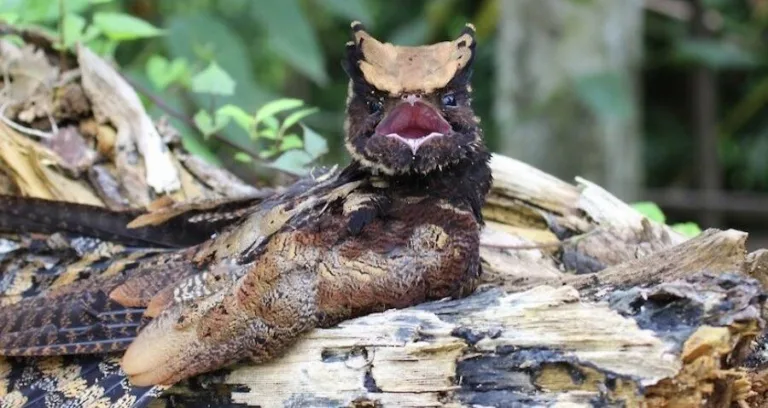
Beyond the captivating Dracula parrot, the world of avian creatures boasts a diverse range of species that embody the enigmatic allure of gothic birds. The nightjar, with its cryptic plumage and haunting calls, is a master of camouflage, blending seamlessly into the shadows of twilight forests. Its massive eyes, perfectly adapted for nocturnal vision, allow it to detect even the smallest movement amidst the darkness.
Meanwhile, certain owl species possess an almost mythical aura, their silent flight and piercing gaze often inspiring both awe and trepidation. The barn owl, with its heart-shaped face and ghostly white plumage, is a familiar sight in rural landscapes, silently swooping down on unsuspecting rodents beneath the cover of night. And let us not forget the fascinating hoatzin, a South American bird with an almost prehistoric appearance, sporting clawed wings and a digestive system capable of fermenting leaves like a ruminant mammal.
These are just a few examples of the extraordinary diversity found within the realm of gothic birds. Each species possesses its own unique adaptations, behaviors, and ecological roles, reminding us that the natural world is a tapestry woven with countless wonders waiting to be explored.