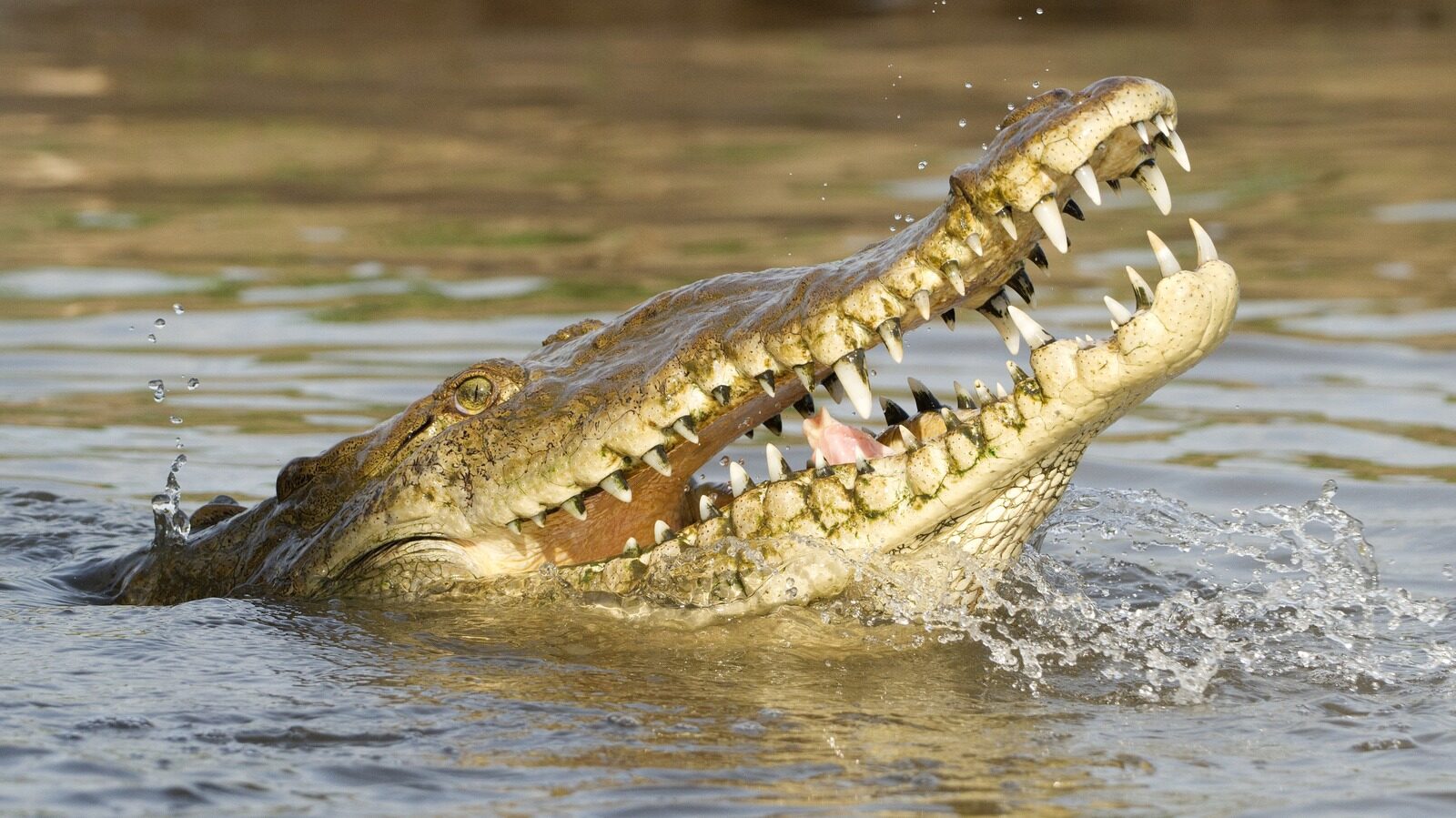
When we think of strength in the animal kingdom, one of the most impressive metrics is the bite force. This force determines not only how effectively an animal can capture and consume prey but also reflects its evolutionary adaptations. In this article, we will explore ten of the strongest bite forces measured in the animal world, delving into how these creatures have evolved to wield such power.
Understanding bite force can be complex, as it involves various methods of measurement and interpretation. From mechanical devices first developed in the 17th century to modern electronic systems, scientists have worked tirelessly to quantify this fascinating characteristic. Measurements can vary greatly depending on the animal’s size, jaw structure, and even the circumstances under which the bite force is tested. For our purposes, we will use the unit of pounds per square inch (psi) to express these forces.
Hyenas: The Underestimated Predators
Hyenas, often unfairly maligned in popular culture, showcase incredible adaptability and strength. The spotted hyena, in particular, can weigh up to 190 pounds and has a remarkable bite force of around 1,100 psi. This force allows them to crush bones and consume carrion effectively.
- They often hunt in packs, displaying impressive teamwork.
- Hyenas are capable of taking down prey much larger than themselves.
- Despite their scavenger reputation, they are skilled hunters with complex social structures.
In comparison, a lion’s bite force ranges between 650 and 1,000 psi. Thus, in the battle of bite strength, hyenas edge out lions, further demonstrating their prowess as apex scavengers and hunters.
Grizzly Bears: The Omnivorous Giants
The grizzly bear (Ursus arctos horribilis) exemplifies power and versatility in the wild. Weighing over 800 pounds, these omnivores boast a bite force estimated between 975 and 1,160 psi. Their diet varies widely, from fish and small mammals to roots and berries, necessitating a robust bite capable of handling various food types.
- Grizzly bears can run up to 30 miles per hour in short bursts.
- They have strong muscles and sharp claws to complement their formidable bite.
- As scavengers, they will eat carrion as well as hunt live prey.
This adaptability in diet, combined with their strength, ensures that grizzlies remain at the top of their food chain.
Polar Bears: The Arctic Apex Predators
Dominating the icy landscapes, the polar bear (Ursus maritimus) is the largest bear species and boasts a bite force of approximately 1,200 psi. Weighing up to 1,700 pounds, their size and strength are crucial for hunting seals, their primary food source.
- Polar bears are excellent swimmers and can cover long distances in search of food.
- Their white fur provides camouflage in the Arctic environment.
- They rely on sea ice to hunt seals, making climate change a significant threat to their survival.
With their powerful jaws and sharp teeth, polar bears are perfectly adapted to their harsh environment, making them formidable hunters.
Gorillas: The Gentle Giants with Powerful Jaws
The gorilla, a herbivorous primate, may not seem like an obvious contender for the strongest bite force, yet it possesses a formidable 1,300 psi bite. Weighing up to 440 pounds, gorillas rely on this strength primarily to process tough vegetation, such as leaves and stems.
- Gorillas can consume up to 40 pounds of plant material a day.
- Their bite force is crucial for accessing insects hidden within tree bark.
- They use their bite primarily for eating rather than fighting.
While they are not carnivores, their powerful jaws allow them to thrive in their natural habitat, showcasing the importance of bite strength in herbivorous diets.
Bull Sharks: Powerful Marine Predators
The bull shark is known for its aggressive behavior and adaptability in various aquatic environments. With a bite force of up to 1,350 psi, it ranks high among marine predators. Unlike many other sharks, bull sharks can thrive in both salt and freshwater, which expands their hunting grounds.
- They are known to inhabit rivers and can swim upstream.
- Bull sharks are powerful enough to capture large prey, including seals.
- Their bite force is among the highest measured in sharks, surpassing that of great whites.
This combination of adaptability and strength makes bull sharks particularly dangerous to both marine life and humans.
Jaguars: The Kings of Bite Force
The jaguar holds the title for the highest bite force relative to body size among big cats, with an impressive 1,500 psi. This strength enables them to hunt a variety of prey, including turtles and thick-skinned reptiles, showcasing their role as apex predators in their environment.
- Jaguars can crush bones and penetrate shells, allowing them to consume prey that other big cats cannot.
- They are solitary hunters and rely on stealth to ambush their prey.
- Unlike other big cats, jaguars often kill by biting through the skull of their prey.
With their remarkable bite force, jaguars effectively demonstrate the evolutionary advantages of strength in hunting and survival.
Hippopotamuses: The Surprisingly Dangerous Herbivores
The hippopotamus is an unexpected entry on this list, primarily herbivorous yet possessing a staggering bite force of around 1,800 psi. Though they primarily consume grasses, their large teeth and powerful jaws are utilized as weapons when threatened.
- Hippos can weigh over 9,900 pounds and reach lengths of up to 16.5 feet.
- They are considered one of the most dangerous animals in Africa, responsible for numerous human fatalities.
- Their aggressive territorial behavior contributes to their dangerous reputation.
Despite their seemingly docile nature, hippos are highly aggressive, showcasing the multifaceted nature of bite strength in both feeding and defense.
American Alligators: The Kings of the Swamp
The American alligator boasts an impressive bite force of about 2,125 psi. As formidable predators, they can grow over 12 feet long and weigh up to 1,000 pounds. Their powerful jaws are designed to catch and hold prey, making them efficient hunters in freshwater environments.
- Alligators can consume a wide range of prey, from fish to mammals.
- Their method of hunting often involves a surprising ambush from the water.
- Researchers have compared their bite force to that of lifting a pickup truck.
This astounding strength, combined with their stealthy hunting tactics, solidifies the American alligator’s position as a top predator in its ecosystem.
Saltwater Crocodiles: The Apex Predators of the Water
With a bite force measuring up to 3,700 psi, the saltwater crocodile is the strongest biter in the animal kingdom. Known for their immense size, they can grow over 23 feet long and weigh up to 2,650 pounds.
- Saltwater crocodiles are highly territorial and aggressive, often hunting a wide range of prey.
- They exhibit a unique hunting technique known as the “death roll,” where they spin to subdue large prey.
- These crocodiles can attack both land and aquatic animals, making them versatile hunters.
As the largest reptiles in the world, their powerful bite is essential for survival in their harsh environments.
Nile Crocodiles: The Deadly African Rivals
The Nile crocodile boasts a bite force that can reach up to an astonishing 5,000 psi, making it a formidable contender against its saltwater cousin. Although generally smaller than saltwater crocodiles, Nile crocodiles can still weigh over 1,500 pounds and measure up to 16 feet in length.
- Nile crocodiles have been known to prey on a variety of animals, including large mammals.
- They are responsible for numerous human fatalities each year.
- Their stealth and ambush tactics make them particularly effective hunters.
While individual bite force measurements can vary, the Nile crocodile remains one of the most dangerous predators in Africa, showcasing the lethal combination of strength and stealth.