
When it comes to the natural world, few things captivate us quite like the intricate nests constructed by various species. While birds are often the stars in the nesting arena, rodents, particularly squirrels, also exhibit fascinating nesting behaviors. Understanding how to distinguish between a bird’s nest and a squirrel’s nest can enrich your appreciation for wildlife and help you recognize the subtle intricacies of nature.
So, how can you identify these two types of nests? Let’s delve into the unique characteristics of squirrel nests, known as dreys, and explore how they differ from those made by birds.
How squirrels construct their dreys
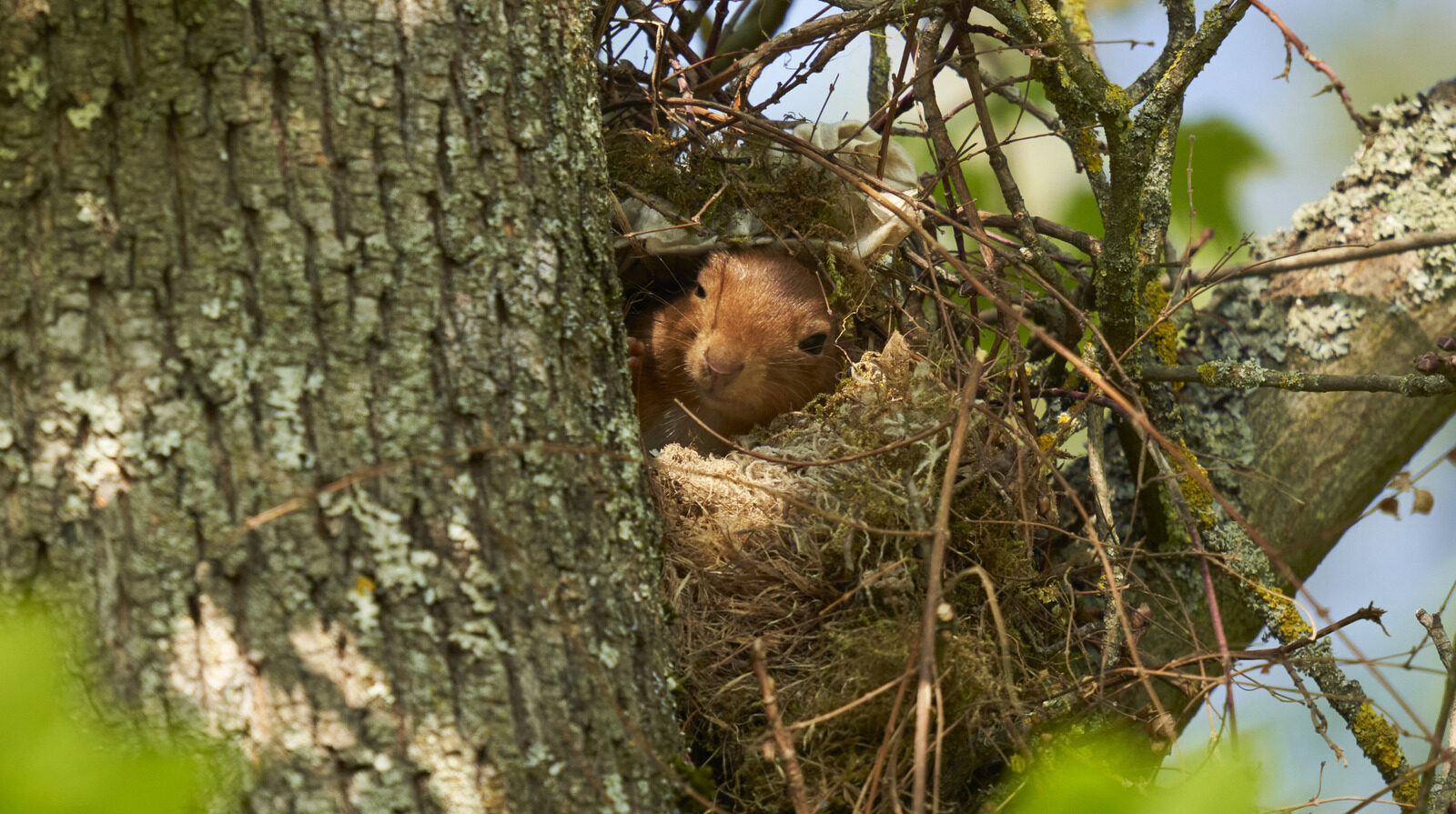
Squirrels, much like birds, build nests primarily to protect their young from predators during their vulnerable early stages of life. The nesting habits of squirrels are as diverse as the species themselves, but they tend to follow some common patterns.
One of the key functions of a squirrel’s drey is to offer a safe haven for their offspring. Squirrels can have multiple litters throughout the year, similar to many bird species. However, unlike birds that typically abandon their nests after the young have fledged, squirrels may continue to use their dreys year-round. This behavior transforms the drey into a secure base where they can rest and stay safe.
- In winter, squirrels may seek more insulated locations, such as the hollows of trees or even attics, to escape the cold.
- Sometimes, they huddle together with their offspring in the drey to maintain warmth, showcasing their adaptability.
- The construction process is meticulous; squirrels begin by creating a framework of interwoven twigs and then add foliage for insulation.
Interestingly, in urban environments, squirrels might incorporate items from human trash into their nests, demonstrating their resourcefulness. The final product is a tightly woven structure designed to be waterproof, which is essential during rain or snow.
Differences in nesting materials and structure
The physical characteristics of dreys significantly differ from those of bird nests. For instance, dreys tend to be larger, typically measuring between one to two feet in diameter. This size allows more space for the squirrel family, especially during colder months.
In contrast, bird nests, depending on the species, usually have a flatter structure. Here are some notable differences:
- Shape: Squirrel dreys are typically rounded, with a secret opening hidden against the tree trunk, while bird nests can often be more platform-like.
- Materials: Squirrels use a combination of twigs and a larger proportion of leaves, providing better insulation than the primarily stick-based construction of most bird nests.
- Size: Dreys tend to be larger, as squirrels require more room for their young.
The differences in structure and materials reflect the varying lifestyles and needs of squirrels compared to birds. While birds may prioritize camouflage and aerodynamics in their nests, squirrels focus on warmth and stability.
Variations in dreys among squirrel species
Just as various bird species have unique nesting styles, different species of squirrels also exhibit distinct characteristics in their dreys. For example, the eastern gray squirrel and the red squirrel, the two most common species in the United States, have significant differences in their nesting habits.
- Eastern gray squirrels: These squirrels prefer to build their dreys in deciduous trees, such as oaks, which provide abundant acorns. Their nests are often substantial and well-insulated.
- Red squirrels: In contrast, red squirrels build their dreys in coniferous trees, where they have access to pinecones, their main food source. They incorporate strips of bark into their nest construction.
- Flying squirrels: Known for their nocturnal habits, flying squirrels create much smaller dreys in coniferous trees, using shredded bark, moss, and lichen for insulation.
These variations in nesting behavior highlight the relationship between a squirrel’s habitat, food sources, and their nesting strategies. For instance, the choice of nesting site often correlates with the squirrel’s dietary preferences, as they choose trees that provide their primary food sources.
Ecological significance of squirrel dreys
Squirrel dreys play a crucial role in the ecosystem. They not only provide shelter for the squirrels but also serve as a habitat for various other organisms. The construction and abandonment of dreys can contribute to the dispersal of seeds, particularly for the trees that squirrels prefer for their nests.
Moreover, these nests can become home to numerous other wildlife species, including insects, birds, and even small mammals. The organic materials used in dreys decompose over time, enriching the soil and promoting plant growth.
Conclusion
Understanding the differences between bird nests and squirrel dreys enriches our appreciation of wildlife. By observing the unique characteristics of these nests, we gain insight into the behaviors and ecological roles of these fascinating creatures. Whether in urban settings or natural habitats, recognizing these distinctions allows us to connect more deeply with the natural world.