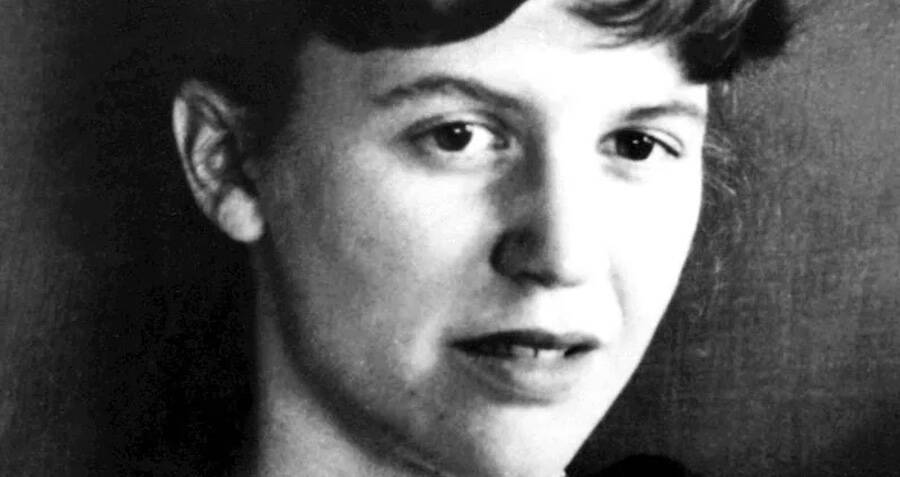

Sylvia Plath’s life was a complex tapestry woven with threads of brilliance, darkness, and enduring impact. A prodigious literary talent who began writing at a remarkably young age, she captured the hearts and minds of readers worldwide with her unflinching exploration of human emotions, particularly those surrounding mental illness and despair. Her poems, often raw and confessional, resonated deeply with a generation grappling with similar struggles.
While Plath’s legacy is firmly cemented in the realm of literary acclaim, her personal life was marred by tragedy and turmoil. Her early years were shadowed by the loss of her father when she was just eight years old, an event that profoundly shaped her worldview. Her marriage to fellow poet Ted Hughes, initially a source of inspiration and support, eventually crumbled under the weight of infidelity and personal demons. This heartbreak compounded her existing mental health challenges, leading to a period of intense suffering and isolation.
On February 11, 1963, during one of London’s coldest winters, what was Sylvia Plath’s cause of death became a tragic reality. At the age of just 30, she took her own life, leaving behind a legacy that continues to inspire and provoke debate even today. The circumstances surrounding her passing, including the details of how she died by suicide, have been subject to much speculation and analysis over the years. However, it is essential to remember that how old was Sylvia Plath when she died and the specific manner in which she ended her life are secondary to the enduring power of her work and its profound impact on generations of readers.
Early Life And Literary Success
Sylvia Plath’s journey began in Boston, Massachusetts, where she was born in 1932. From a young age, it was evident that she possessed a remarkable gift for language and storytelling. As early as nine years old, her poems began appearing in publications, showcasing an astonishing maturity and depth of expression for someone so young. This natural talent blossomed throughout her childhood and adolescence, fueled by a voracious appetite for reading and a constant need to articulate the complexities of her inner world.
Despite exhibiting such early promise, Plath’s life was far from idyllic. The untimely death of her father when she was just eight years old cast a long shadow over her formative years, leaving an indelible mark on her psyche. This profound loss served as a catalyst for her deep exploration of themes surrounding grief, isolation, and the fragility of human existence, which would later become central to her literary work.
Despite navigating personal tragedies, Plath excelled academically and went on to attend Smith College, where she continued to hone her writing skills and immerse herself in the world of literature. Her talent was quickly recognized, earning her a prestigious Fulbright scholarship to study at Cambridge University in England. This pivotal opportunity broadened her horizons, introduced her to new perspectives, and ultimately led to a fateful encounter with fellow poet Ted Hughes, who would become both her husband and muse. This period marked the beginning of both literary success and personal turmoil, setting the stage for the complex and tragic trajectory that defined Sylvia Plath’s life.
Marriage And Creative Struggles
Sylvia Plath’s marriage to fellow poet Ted Hughes was a whirlwind romance that initially promised both creative synergy and personal fulfillment. They met in England during her time at Cambridge, drawn together by their shared passion for poetry and a deep understanding of the human condition. Their relationship quickly deepened, leading to their marriage in 1956.
However, this seemingly idyllic union soon began to unravel under the weight of infidelity, creative differences, and personal demons. Hughes’s numerous affairs caused immense pain and insecurity for Plath, who struggled to reconcile her love for him with his betrayals. Their artistic endeavors also became a source of tension, as both poets grappled with their own individual visions and sought recognition in the competitive literary world. This clash of egos and conflicting ambitions created an atmosphere of constant friction within their marriage.
As Plath’s mental health deteriorated, her creative output intensified. She poured her anguish and despair into her writing, crafting poems that captured the raw essence of her emotional turmoil. This period saw the birth of some of her most powerful and acclaimed work, including “Ariel,” a collection posthumously published in 1965, which explored themes of love, loss, death, and the search for identity with unflinching honesty. Despite achieving literary success, Plath’s personal life continued to spiral downwards, ultimately leading to the tragic end that shocked the literary world on February 11, 1963.
The Bell Jar: A Reflection Of Her Pain
Sylvia Plath poured her innermost experiences into her writing, and “The Bell Jar,” published in 1963 under the pseudonym Victoria Lucas, stands as a poignant testament to her struggle with mental illness. This semi-autobiographical novel delves into the protagonist Esther Greenwood’s descent into depression, mirroring Plath’s own journey through darkness. The story vividly depicts the stifling pressures of societal expectations, particularly those placed on women during that era, and how they can contribute to feelings of inadequacy and despair.
“The Bell Jar” resonated deeply with readers who recognized their own battles with mental health in Esther’s experiences. Plath’s unflinching honesty about her internal struggles, including suicidal thoughts and the feeling of being trapped in a suffocating metaphorical bell jar, helped to break down stigmas surrounding mental illness and paved the way for greater open conversations about these issues.
Though initially met with mixed reviews due to its controversial subject matter, “The Bell Jar” has since become a seminal work of feminist literature and a powerful exploration of the human psyche. Plath’s literary genius lies in her ability to articulate the complexities of mental illness with both raw vulnerability and poetic grace, reminding us that even in our darkest moments, there is beauty and strength to be found within the human experience.
Suicide And Its Impact On Literature
Sylvia Plath’s suicide at the age of 30 sent shockwaves through the literary world and beyond. The tragedy cut short a brilliant career that had already produced groundbreaking work, leaving behind a legacy that continues to be debated and analyzed today. The circumstances surrounding her death, particularly how Sylvia Plath died, have been subject to much speculation and scrutiny, adding another layer of complexity to her already enigmatic persona.
Despite the tragic nature of her passing, Plath’s suicide ultimately served as a catalyst for greater understanding and acceptance surrounding mental health issues. Her unflinching exploration of these themes in her writing paved the way for more open conversations about depression, anxiety, and other forms of psychological distress. By sharing her own struggles with such honesty and vulnerability, she helped to dismantle societal stigmas and encourage individuals to seek help when they need it most.
In the realm of literature, Plath’s suicide cemented her place as a tragic icon, further elevating her status as a poet who captured the human experience in all its complexity and fragility. Her posthumous collections, including “Ariel” and “The Bell Jar,” have become enduring classics, praised for their raw emotional power and lyrical beauty. The impact of her work continues to resonate with readers around the world, reminding us that even in the face of immense darkness, there is beauty, truth, and ultimately, a profound connection to be found in shared human experience.
A Lasting Legacy
Sylvia Plath’s legacy extends far beyond her tragic death; she remains a literary icon whose influence continues to resonate deeply within the world of poetry and beyond. Her uncompromising exploration of themes such as mental illness, societal pressures, and the complexities of human relationships continues to captivate readers and inspire writers alike. Her unflinching honesty and raw emotional vulnerability paved the way for more open conversations about these often-taboo subjects, helping to destigmatize mental health challenges and foster greater empathy and understanding.
Even today, Plath’s poetry is studied and celebrated in classrooms worldwide, introducing new generations to her powerful voice and unique perspective. Her work has been translated into numerous languages, ensuring that her impact transcends cultural boundaries. From the confessional depths of “Ariel” to the semi-autobiographical brilliance of “The Bell Jar,” Plath’s literary contributions have left an indelible mark on the landscape of 20th-century literature.
While what was Sylvia Plath’s cause of death forever serves as a poignant reminder of her tragic fate, it is her enduring legacy as a visionary poet and a fearless voice for those who struggle in silence that truly defines her place in history. Sylvia Plath’s life may have been cut short, but her words continue to echo through time, reminding us of the power of vulnerability, the importance of human connection, and the enduring beauty that can be found even in the darkest of places.