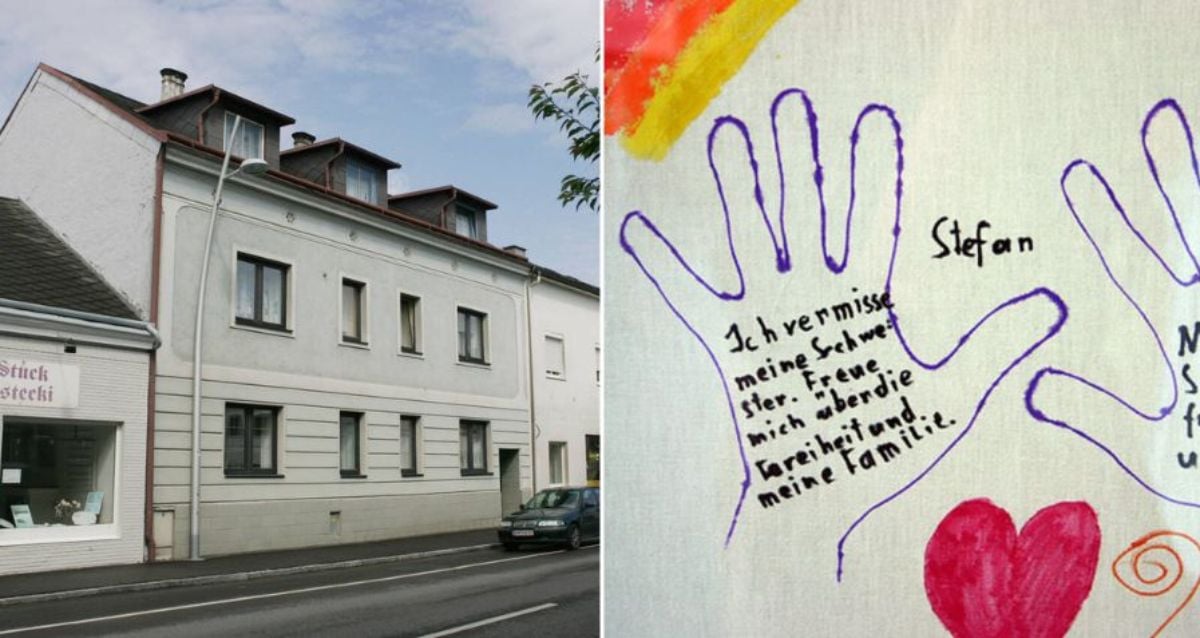

The story of Stefan Fritzl is a harrowing tale of survival and resilience in the face of unimaginable cruelty. Born into captivity in 1990, his early years were spent in an underground dungeon alongside his mother Elisabeth and siblings. Their world was confined to the damp, dimly lit basement where Josef Fritzl, their own grandfather, held them captive for over two decades. Stefan’s childhood, like that of his siblings, was robbed of normalcy.
He grew up without sunlight, fresh air, or proper medical care. The horrors they endured at the hands of Josef Fritzl included physical abuse, starvation, and a constant state of fear. Yet, amidst these dark circumstances, Elisabeth displayed remarkable strength and love for her children. She found ways to bring them joy through storytelling, singing, and simple crafts, offering them glimpses of hope in their desolate world.
When Kerstin fell critically ill in 2008, Josef was forced to take her to the hospital. This act of desperation became a turning point. Elisabeth seized the opportunity to reveal their horrific situation to the doctors, leading to Josef’s arrest and the rescue of Stefan and his siblings. Their emergence into the outside world was both exhilarating and overwhelming. They experienced the warmth of the sun, the fresh scent of air, and the wonder of meeting strangers for the first time. However, the years spent in captivity had left their mark.
Stefan and his siblings faced numerous physical and psychological challenges as they adjusted to life beyond the basement. Their experiences serve as a stark reminder of the resilience of the human spirit and the enduring strength of familial love, even in the face of unimaginable darkness. To this day, stefan fritzl now continues to heal from the trauma of his captivity while living a private life away from the public eye.
A Life in Darkness: The Fritzl Family’s Basement Captivity
The basement where the Fritzl family was held captive became their world, a stark and unforgiving reality devoid of basic comforts and human connection. Imagine a space perpetually shrouded in darkness, dampness clinging to the air, with only flickering lights casting long shadows. This was Stefan’s childhood home, a place where sunlight was a distant memory, replaced by artificial glow that offered little warmth.
Josef Fritzl, their own grandfather, controlled every aspect of their lives within those walls. He meticulously regulated their food rations, often leaving them hungry and weak. Physical abuse was a constant threat, wielded to enforce his twisted control. The basement lacked proper sanitation, leading to unsanitary conditions that further compromised their health. Stefan and his siblings grew up in this oppressive environment, robbed of their innocence and the fundamental right to a childhood filled with joy and safety.
Despite these horrors, Elisabeth refused to let darkness completely consume her family. She found ways to instill hope and happiness within the confines of their prison. She recounted stories, sang songs, and taught her children crafts to distract them from the grim reality surrounding them. These acts of love and resilience became a beacon of light in their otherwise dark world, reminding Stefan and his siblings that even in the face of unimaginable cruelty, the human spirit could endure.
Escape and Revelation: Kerstin’s Illness Leads to Freedom
The turning point in Stefan and his siblings’ ordeal came unexpectedly: Kerstin, one of Elisabeth’s daughters, fell critically ill. Josef Fritzl, realizing the severity of her condition and fearing she would die in their hidden prison, was forced to take her to the hospital. This desperate act, born out of a desire to save his own granddaughter, inadvertently set the stage for the family’s escape from captivity.
While Josef took Kerstin to the hospital, Elisabeth saw an opportunity she couldn’t pass up. She revealed their horrifying situation to the doctors treating Kerstin, her voice trembling with fear and desperation. The medical staff, shocked and horrified, immediately alerted the authorities. News of the Fritzl family’s captivity spread like wildfire, sending shockwaves through Austria and beyond.
Within hours, police raided Josef Fritzl’s home, discovering the hidden basement where Stefan and his siblings had endured years of unimaginable suffering. Their ordeal finally came to an end as they were rescued from their dungeon and brought into the light of day. This revelation exposed the depths of Josef Fritzl’s depravity and sparked global outrage. The world watched in disbelief as the story unfolded, highlighting the vulnerability of individuals who can be trapped by those closest to them.
Adjusting to the Outside World: Sunlight, Fresh Air, and New Experiences
Emerging from the darkness into the world above was both exhilarating and overwhelming for Stefan and his siblings. The sensation of sunlight on their skin, something they had never experienced before, was a revelation. They gasped at the vastness of the sky, now a limitless expanse dotted with fluffy clouds. The scent of fresh air filled their lungs, replacing the stale, damp smell that permeated their basement prison. Every sight, sound, and sensation was new and intensely vibrant, a stark contrast to their former existence.
Their initial adjustment wasn’t easy. Years of confinement had taken a toll on their physical and mental well-being. They struggled with pale skin, stooped posture from years spent in cramped quarters, and weakened immune systems that made them susceptible to illness. They also found it difficult to communicate effectively, lacking the social skills and vocabulary needed to navigate the outside world.
Therapy and medical care became crucial in helping Stefan and his siblings heal from their traumatic past. Slowly but surely, they began to regain their strength and adapt to life beyond the basement walls. They learned to embrace the simple joys that had been denied to them for so long: playing outdoors, making new friends, and experiencing the warmth of human connection.
Healing from Trauma: Therapy and Medical Care for Stefan and His Siblings
The road to recovery for Stefan and his siblings was long and arduous, requiring a multifaceted approach that addressed both their physical and psychological wounds. Therapy played a crucial role in helping them process the trauma they had endured. Trained professionals provided a safe space for them to express their pain, anger, fear, and confusion, gradually unpacking the layers of suffering that had been buried deep within.
Medical care was equally essential in restoring their health. They received treatment for a range of physical ailments suffered during their captivity, including vitamin deficiencies, weakened immune systems, and stunted growth. Specialized therapists also helped them address cognitive and developmental challenges resulting from years of isolation and deprivation. Their resilience shone through as they diligently participated in therapy sessions and medical treatments, determined to reclaim their lives.
Despite the progress made, Stefan and his siblings continue to navigate the complexities of healing. The scars left by their ordeal run deep, serving as a constant reminder of the horrors they faced. However, their story also embodies the power of human resilience, demonstrating that even in the face of unimaginable adversity, hope can bloom and recovery is possible.
Seeking a Normal Life: Anonymity and Continued Recovery
In the aftermath of their rescue, Stefan and his siblings were moved to a secure location, seeking privacy and anonymity from the intense public scrutiny that followed their story. This deliberate choice reflected a deep understanding of the need for space and time to heal without the added pressure of media attention or constant reminders of their past suffering.
Their lives now revolve around rebuilding and creating a sense of normalcy. They focus on everyday activities, pursuing hobbies, making friends, and forging new connections outside the shadow of their captivity. While the trauma they experienced undoubtedly continues to shape their lives, they are determined to move forward with hope and resilience.
Stefan Fritzl now, chooses to live away from the spotlight, focusing on his personal growth and well-being. He represents a powerful testament to the human spirit’s capacity for healing and adaptation, even in the face of unimaginable adversity. Their story serves as a reminder that recovery is a lifelong journey, requiring patience, understanding, and unwavering support.