The mysteries of the natural world continue to unfold, revealing astonishing discoveries that challenge our understanding of biodiversity. Recent findings have showcased two new species of catfish that not only expand the catalog of known aquatic life but also highlight the profound connection between local knowledge and scientific research. These discoveries prompt us to reconsider our perceptions about what it means to “find” a species, especially when local communities have long recognized their existence.
As researchers delve deeper into the ecosystems that surround us, the implications of these findings stretch far beyond mere identification. They underscore the importance of integrating traditional ecological knowledge with scientific inquiry, revealing a more layered narrative about the life that exists beneath our rivers and lakes.
Understanding the discovery of new species in aquatic ecosystems
Each year, scientists identify thousands of new species, contributing to our understanding of biodiversity. A report from the World Economic Forum estimates that up to 80% of Earth’s species remain unidentified. The identification process is crucial for conservation efforts, as it helps prioritize which species and habitats need the most protection.
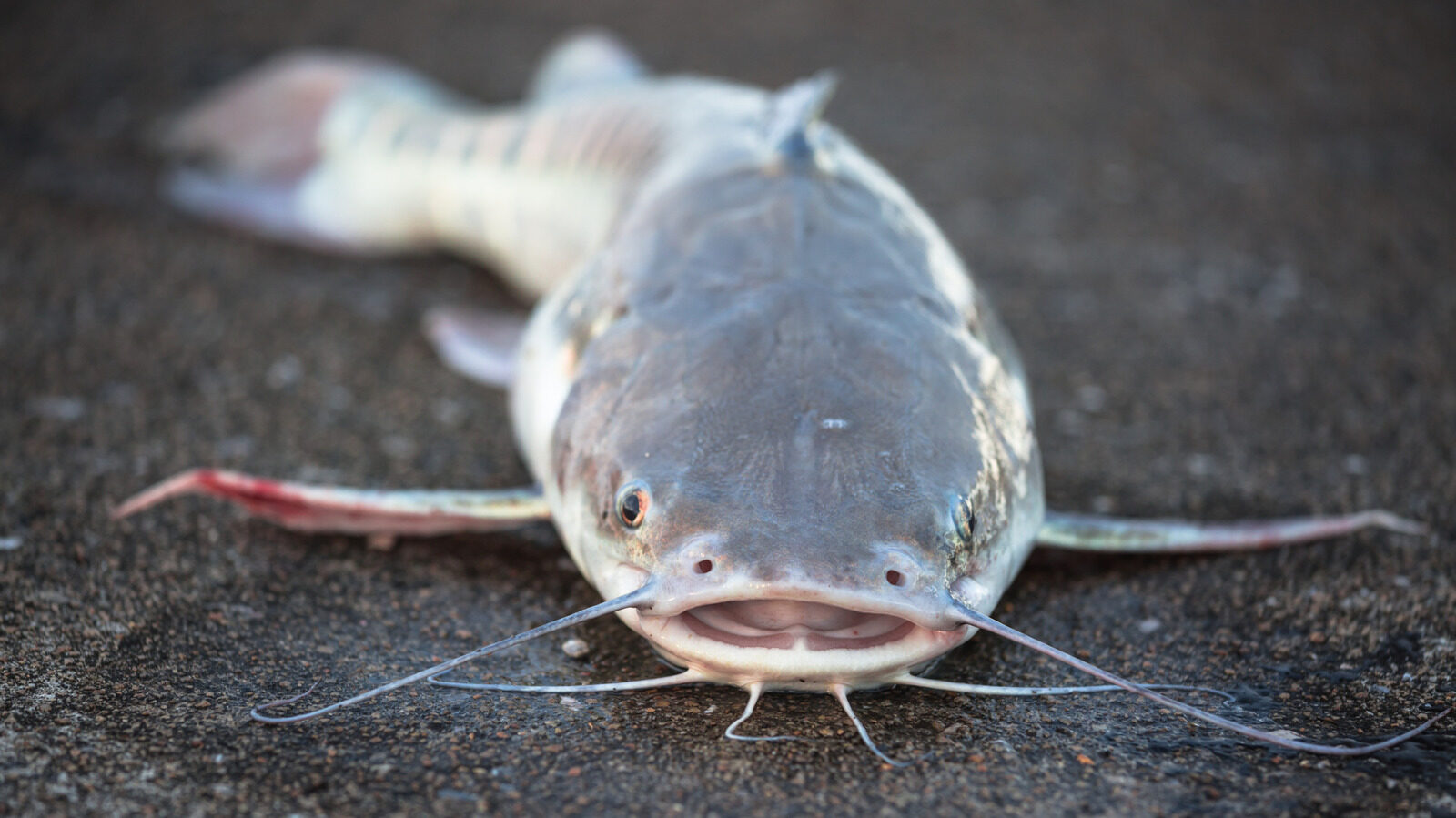
A recent study published in the journal Zoosystematics and Evolution unveiled two significant species of catfish within the Bagarius genus, known for their predatory nature. Named Bagarius protos and B. dolichonema, these fish were discovered in Southeast Asia, specifically in the Salween River Basin of China and the Irrawaddy River Basin in Myanmar.
The research, which spanned two decades, revealed that the average sizes of these new species are around one foot for B. protos and 8.5 inches for B. dolichonema. However, anecdotal evidence from local fishermen suggests that these fish can grow much larger, prompting questions about how many more species exist that are currently unrecognized.
Local knowledge: a crucial component in species identification
The concept of “discovery” in the scientific community often overlooks the knowledge held by local populations. For instance, the Bagarius catfish has existed for millions of years, long before modern science began its classification efforts. Locals in the regions where these fish were found were familiar with them, often relying on them as a food source.
This highlights an important aspect of biodiversity research: the value of integrating local ecological knowledge. Communities have utilized various methods to catch these fish, often employing thick nylon ropes baited with insect larvae. Their traditional practices offer insights that can accelerate scientific understanding of these species.
- Traditional fishing methods provide data on species habits and sizes.
- Local knowledge can help in identifying habitats critical for conservation.
- Community involvement fosters a sense of stewardship over local ecosystems.
In the case of B. protos, local fishers reported that these catfish could weigh up to 220 pounds, significantly exceeding the sizes recorded by researchers. This local insight underscores the need for collaborative efforts between scientists and indigenous communities to enhance species conservation strategies.
Exploring the ecological impact of Bagarius catfish
Bagarius catfish are not only fascinating due to their size but also because of their role within their ecosystems. As apex predators, they help maintain the balance of aquatic life. However, their size and predatory nature can also lead to potential conflicts with humans.
Although no evidence currently links B. protos to attacks on humans, their cousins provide a cautionary tale. The goonch catfish, previously classified as B. yarrelli but now known as B. bagarius, has gained notoriety for alleged attacks on humans in the Kali River between India and Nepal. These incidents have raised awareness about the dangers posed by large predatory fish.
The goonch can reach lengths of up to six feet and weights of 250 pounds, making it a formidable presence in its habitat. The stories surrounding this species have contributed to its reputation, with reports of humans being pulled underwater by these massive fish. Consequently, the goonch catfish became the subject of a popular episode in the Animal Planet series “River Monsters,” further cementing its place in popular culture.
Comparative size and behavior of catfish species
| Species | Maximum Length | Maximum Weight |
|---|---|---|
| Bagarius protos | ~1 foot (average) | ~220 pounds (according to locals) |
| Bagarius dolichonema | ~8.5 inches (average) | Not specified |
| B. bagarius (goonch) | ~6 feet | ~250 pounds |
While B. protos appears to be a less aggressive counterpart to the goonch, its potential size raises questions about its ecological role and interactions with humans. Understanding these dynamics is crucial for developing management strategies that promote coexistence between local communities and these formidable fish.
Future implications for biodiversity research and conservation
As scientific techniques and methodologies evolve, the discovery of new species will likely continue to grow. However, for researchers to effectively study these species, collaboration with local communities will be vital. This partnership can enhance biodiversity conservation efforts and ensure that traditional practices are respected and integrated into modern science.
- Engaging local communities can lead to more effective conservation strategies.
- Utilizing traditional knowledge can improve species monitoring and research outcomes.
- Promoting awareness about local biodiversity can foster community-driven conservation initiatives.
In summary, the discovery of Bagarius protos and B. dolichonema not only expands our knowledge of aquatic biodiversity but also emphasizes the importance of local wisdom in the scientific process. As researchers continue to explore and identify new species, fostering collaboration with indigenous communities will be key to unlocking the secrets of our planet’s rich ecosystems.