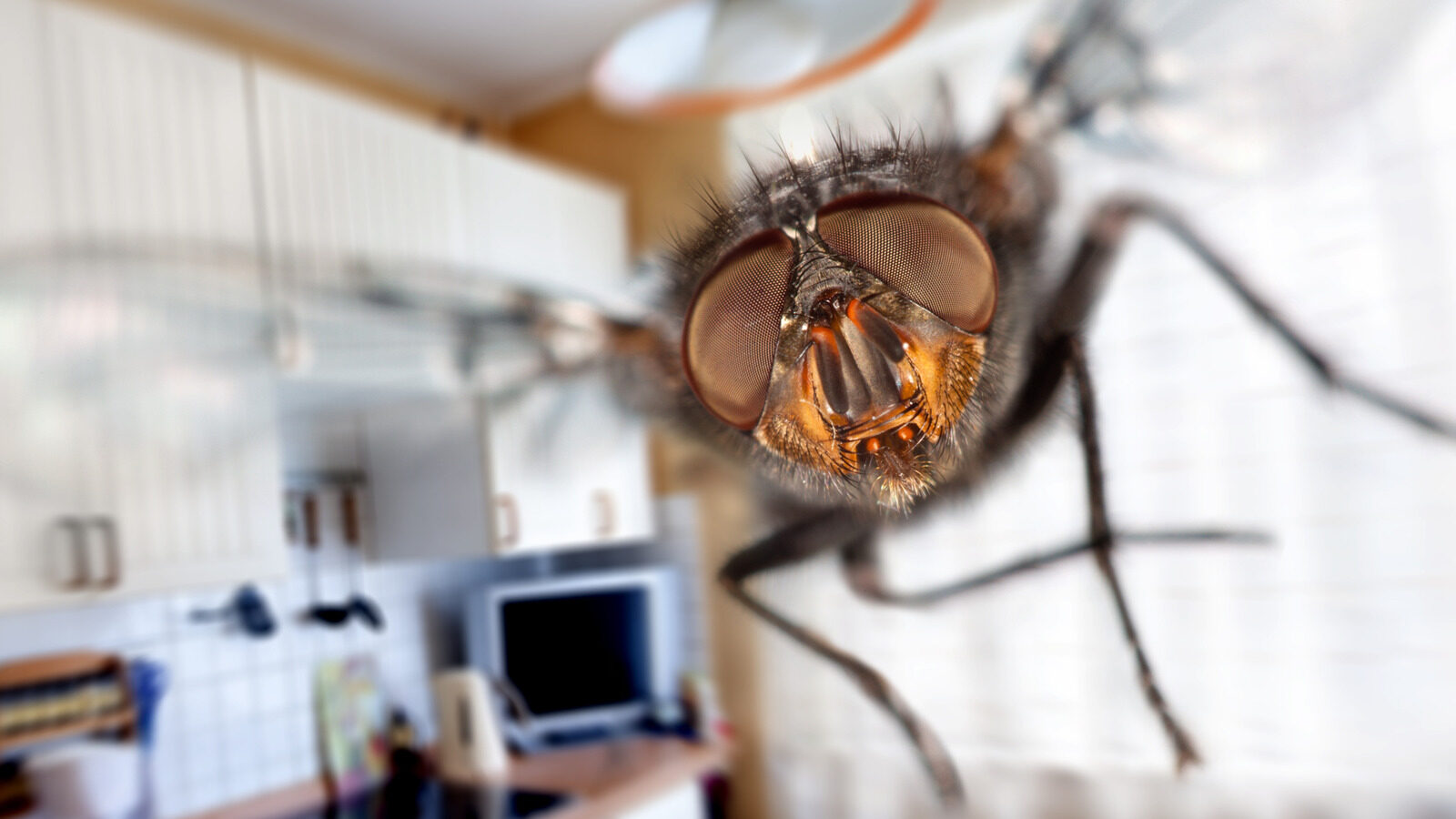
Dealing with flies in your home can be an exasperating experience, especially as warmer months approach. These pesky insects are not only annoying but can also pose health risks by contaminating food and surfaces. Fortunately, there are several natural methods to eliminate flies without resorting to harmful chemicals. This guide will explore effective strategies, focusing on the use of essential oils, other natural repellents, and preventative measures to keep your home fly-free.
Natural methods to eliminate flies from your home
Flies are attracted to food, waste, and moisture, making homes particularly vulnerable in the warmer months. When you open your door, flies can easily enter, and once they do, they can multiply rapidly. To effectively manage these unwelcome guests, it’s crucial to establish a comprehensive strategy that includes both elimination and prevention.
Here are some practical steps you can take to banish flies from your home:
- Seal entry points: Ensure that doors and windows are fitted with screens and check for any gaps where flies could enter.
- Maintain cleanliness: Regularly clean your kitchen and dining areas, and promptly dispose of food waste.
- Use natural repellents: Explore various natural solutions, including essential oils, herbs, and DIY traps.
- Utilize proper waste management: Keep garbage cans sealed and disposed of regularly to reduce fly attraction.
Benefits of using essential oils to repel flies
Essential oils are a powerful, natural means of repelling flies, offering several advantages over traditional chemical insecticides. Not only are they non-toxic, but they also possess pleasant fragrances that can enhance your home environment. Here are some key benefits of using essential oils:
- Non-toxic and safe: Unlike chemical sprays, essential oils are safe for use around children and pets.
- Effective insect repellent: Certain oils, such as thyme, lavender, and eucalyptus, have been shown to deter flies effectively.
- Eco-friendly: Using essential oils supports sustainable practices by reducing chemical waste and pollution.
- Dual purpose: Many essential oils have aromatic properties that can enhance your living space’s fragrance.
Research has shown that essential oils can disrupt the neurological functions of insects, leading to their repulsion or demise. For instance, cinnamon and lavender oils have exhibited lethal effects on flies within hours of exposure, according to studies published in reputable journals.
Creating your own fly-repelling spray
Making your own essential oil spray is an easy and effective way to keep flies at bay. The process is simple and requires minimal ingredients:
- Select your oils: Choose oils known for their fly-repelling properties, such as thyme, lavender, eucalyptus, or peppermint.
- Combine with water: Mix about 10-15 drops of essential oil with water in a spray bottle.
- Shake well: Before each use, shake the bottle to ensure the oils are evenly distributed.
- Apply strategically: Spray around doorways, windows, and other entry points. For concentrated areas, soak cotton balls in the mixture and place them as needed.
Other natural ways to deter flies
Apart from essential oils, various natural methods can effectively repel flies. Here are some additional strategies you can implement:
- Plant strong-scented herbs: Grow herbs like basil, rosemary, and mint near entrances to deter flies naturally.
- Citrus and cloves: Cut citrus fruits in half and insert cloves into the flesh. Place these in areas where flies congregate to create a natural repellent.
- DIY fly traps: Create traps using sugar water or vinegar to attract and trap flies effectively.
Engaging in these practices not only helps reduce fly populations but also promotes a more inviting atmosphere in your home.
Maintaining a fly-free environment
Keeping flies out of your home requires ongoing effort and vigilance. Here are some essential tips to maintain a fly-free environment:
- Regularly clean surfaces: Wipe down kitchen counters, dining tables, and other surfaces to prevent food residue from attracting flies.
- Seal food items: Store food in airtight containers to minimize odors that attract flies.
- Utilize natural repellents consistently: Regularly apply essential oil sprays and replace cotton balls soaked in oil to maintain effectiveness.
By incorporating these practices into your routine, you can significantly reduce the likelihood of flies invading your living space.
Understanding the ecological role of flies
While flies can be a nuisance, it’s important to recognize their role in the ecosystem. Flies contribute to the decomposition process and serve as food for various animals, including birds and bats. Some benefits include:
- Decomposers: Flies help break down organic waste, returning nutrients to the soil.
- Pollinators: Certain fly species are effective pollinators, aiding in plant reproduction.
- Food source: Many predatory animals rely on flies as a primary food source.
Understanding these ecological contributions underscores the importance of managing flies humanely, emphasizing natural repellent methods that keep flies away without harming them.
Conclusion on natural fly control
Utilizing natural methods to control flies in your home is not only effective but also promotes a healthier living environment. From essential oils to strategic preventive measures, you can create a fly-free space while respecting the ecological balance. By implementing these strategies, you’ll be well on your way to enjoying a more pleasant and inviting home, free from the annoyance of flies.