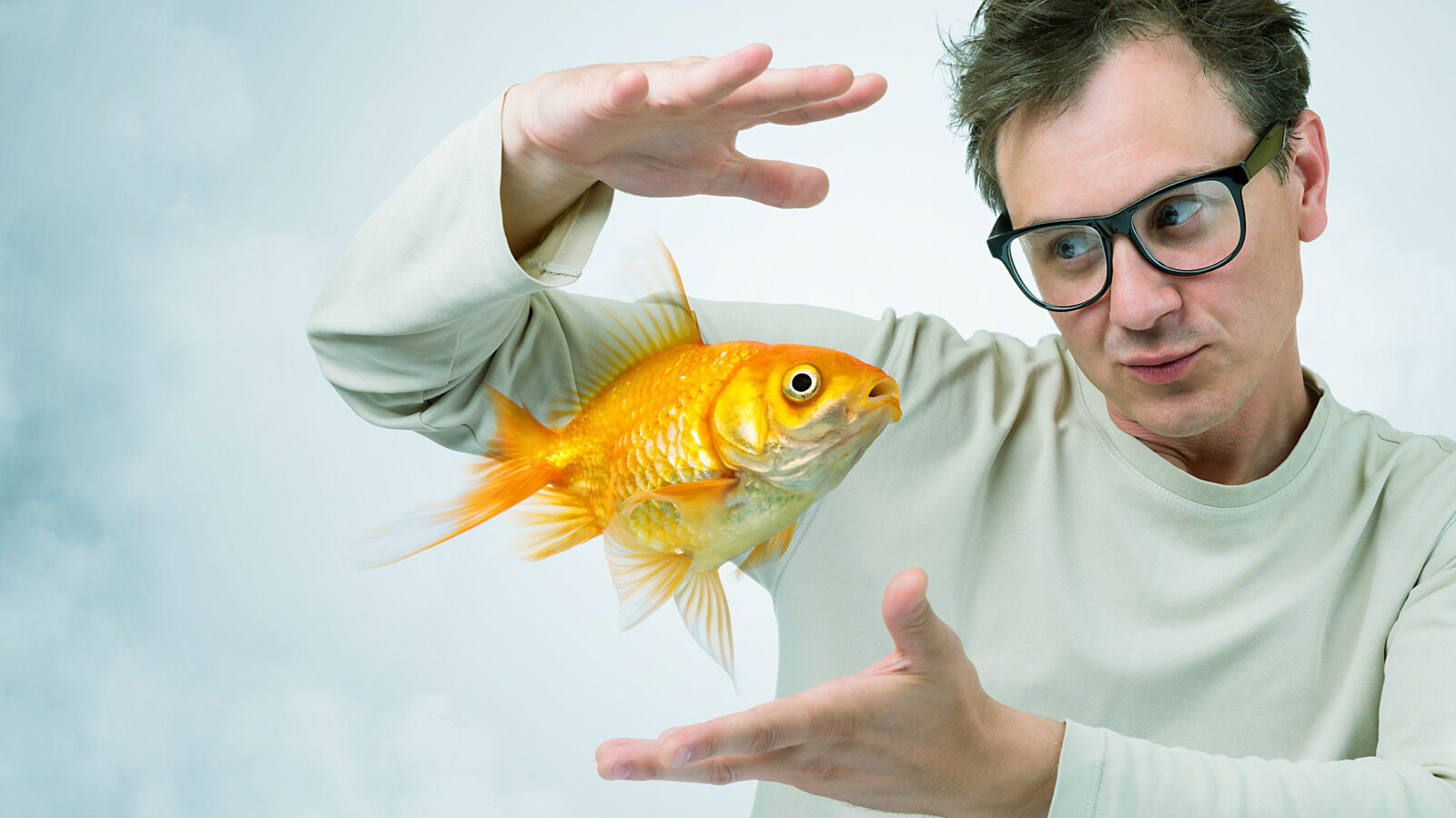
Have you ever been told you have a “memory like a goldfish”? This phrase, often used to insult someone’s forgetfulness, is not just an unkind quip but stems from a widespread misconception about these aquatic creatures. The reality is far more fascinating and complex than the simplistic notion of a short memory span. Let’s dive into the truth behind goldfish memory and explore what makes these creatures remarkable.
Understanding the myth of goldfish memory
The belief that goldfish only have a three-second memory has been perpetuated across cultures, often used humorously to highlight forgetfulness. However, research has shown this idea to be entirely false. Dr. Culum Brown, a leading researcher in fish intelligence, has noted that this myth appears in various forms worldwide, suggesting that it is a deeply ingrained misconception.
Interestingly, the myth isn’t isolated to goldfish alone; many species of fish have been unfairly labeled as forgetful. This stereotype often leads to the underestimation of fish intelligence, which is more complex than many realize. Studies have increasingly shown that goldfish, as well as other fish species, possess strikingly advanced memory skills and cognitive abilities.
The impressive memory capabilities of goldfish
Goldfish are capable of both short-term and long-term memory. Short-term memory functions allow them to navigate immediate situations, such as identifying food sources, while long-term memory helps them recall past experiences that can aid in survival.
- Short-term memory: This enables goldfish to remember specific tasks, like locating food based on scent or environmental cues.
- Long-term memory: Goldfish can recall experiences, recognizing threats or specific locations where food was previously found.
Studies conducted at institutions like Oxford University have illustrated goldfish’s exceptional memory retention. In one experiment, researchers trained goldfish to swim to specific markers for food rewards, demonstrating their ability to remember distances even after cues were removed. This shows that they can retain information about their environment for longer than commonly assumed.
Moreover, goldfish can remember feeding schedules, demonstrating an understanding of patterns and habits—something typically associated with higher intelligence. They can also retain information about locations and routes, showing that their cognitive abilities extend beyond mere reflexes.
Comparative memory skills in the fish kingdom
Goldfish are not alone in their impressive memory capabilities. Research has shown that many fish species exhibit similar traits, challenging the stereotype of fish as unintelligent beings. Experts argue that fish intelligence has been significantly underestimated for decades.
For instance, African cichlids have displayed remarkable memory when scientists tested their ability to return to food locations after extended periods. Similarly, studies involving guppies have shown their ability to learn maze navigation through trial and error, suggesting they possess a form of learning commonly recognized in mammals.
Examples of fish with remarkable memories
Several studies have expanded our knowledge about fish memory beyond just goldfish. Here are some notable examples:
- Guppies (Poecilia reticulata): These small fish can complete mazes more efficiently over time, indicating their capacity for memory and learning.
- African cichlids: These fish remember the locations of food sources even after being moved to different tanks, demonstrating spatial memory.
- Cleaner fish (Labroides dimidiatus): A study found that cleaner fish could remember negative experiences, such as being captured, for up to 11 months.
These examples reveal a broader range of cognitive abilities within the fish community, suggesting that memory and learning are common traits among various species. This growing body of evidence highlights the need to reevaluate our understanding of aquatic life and their mental capacities.
The implications of fish memory research
The research on fish memory does not only challenge stereotypes but also has implications for how we interact with and care for these creatures. Understanding their cognitive abilities can enhance aquarium setups, enriching their environments to cater to their needs.
For instance, keeping a consistent feeding schedule can help goldfish thrive, as they can learn and anticipate feeding times. Additionally, engaging them in activities that stimulate their memory, like puzzle feeders, can promote mental health and prevent boredom.
The future of fish intelligence research
As our understanding of fish intelligence and memory expands, ongoing research will undoubtedly uncover even more fascinating aspects of their behaviors and cognitive abilities. Scientists are increasingly focused on exploring the social dynamics of fish, their communication methods, and how these factors influence their memory and learning processes.
Moreover, this research can pave the way for conservation efforts, as understanding the cognitive capabilities of fish can inform habitat preservation strategies and sustainable fishing practices. Improved awareness could also foster greater appreciation for the complexities of aquatic ecosystems.
In conclusion, the notion of a goldfish having a mere three-second memory is a myth that undermines the remarkable cognitive abilities of these creatures. Both goldfish and their fish counterparts demonstrate impressive memory skills that challenge our perceptions of marine intelligence. As research continues to unravel the depths of fish cognition, we can look forward to a more nuanced understanding of these fascinating beings.