
Imagine a world where animals were not just bigger, but also more diverse than the species we see today. The animal kingdom has undergone dramatic transformations over millions of years, reshaping the creatures that inhabit our planet. This article delves into the fascinating journey of evolution, exploring the ancestors of modern animals that were once colossal and the environmental shifts that led to their diminishment.
From towering prehistoric mammals to massive reptiles and insects, the past is filled with extraordinary giants. Understanding why these animals shrank over time not only enriches our knowledge of evolution but also highlights the dynamic interplay between species and their environments. Join us as we uncover the stories of 12 remarkable creatures that lost their size and the reasons behind these transformations.
Sharks: From Giants to Streamlined Predators
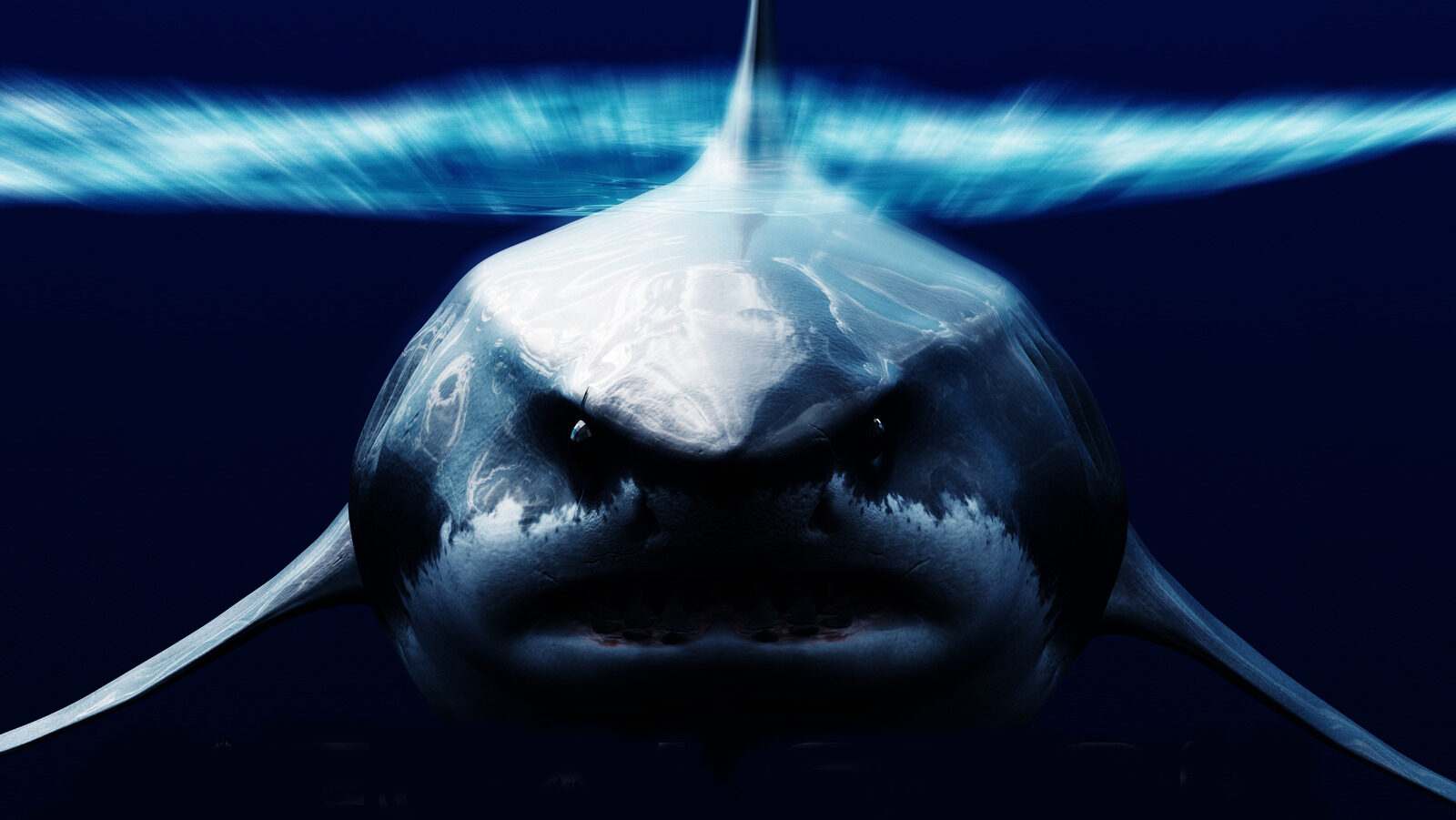
Sharks are among the most fearsome creatures in today’s oceans, with the whale shark being the largest fish, reaching lengths of up to 40 feet. However, these modern-day sharks pale in comparison to their ancestors. One of the most notorious prehistoric sharks, the megalodon, could reach lengths of 60 feet and weigh an astonishing 94 tonnes.
The megalodon thrived approximately 23 million to 3.5 million years ago, and its massive teeth, some measuring over 7 inches, speak volumes about its ferocity. These ancient sharks were apex predators, but as the climate changed around 3 to 4 million years ago, they faced dire conditions. The cooling waters led to a loss of tropical habitats and a decrease in prey availability, forcing smaller, more agile shark species to adapt better to the changing environment.
- Megalodon reached lengths of 60 feet.
- Extinct around 3.5 million years ago due to climate changes.
- Survived earlier mass extinction events.
- Modern sharks are smaller and more adaptive to various environments.
Sloths: From Giants to Gentle Climbers
Today’s sloths are often seen as slow and adorable, measuring between 2 to 2.5 feet in length. In stark contrast, their ancestors, like the megatherium, could grow up to an astonishing 12 feet tall and weigh as much as a modern bull elephant.
The megatherium, meaning “giant beast,” was likely the largest two-legged mammal ever. Studies suggest these massive sloths could have moved more quickly than their modern relatives. Their extinction, around 10,000 years ago, is attributed to climate change and human hunting, which left them vulnerable due to their slow movement.
- Megatherium could reach heights of 12 feet.
- Extinct around 10,000 years ago due to climate and human impact.
- Modern sloths have adapted to arboreal life.
Dragonflies: Ancient Giants of the Skies
While modern dragonflies are admired for their grace and beauty, prehistoric dragonflies, known as griffinflies, were truly monstrous, with wingspans reaching up to 75 centimeters. These ancient insects thrived around 300 million years ago, benefiting from higher oxygen levels in the atmosphere.
Griffinflies flourished before the dinosaurs, but the mass extinction at the end of the Permian period around 250 million years ago drastically reduced their numbers. Modern dragonflies, although impressive, cannot compete with the size and majesty of their ancestors due to the lower oxygen levels today.
- Griffinflies lived 300 million years ago.
- Wingspans could reach 75 cm.
- Mass extinction led to the decline of giant insects.
Rats: Rodent Giants of the Past
Rats are often viewed with disdain today, but imagine encountering a prehistoric rodent measuring up to 5 feet long, such as Neoepiblema acreensis. This giant rodent had a surprisingly small brain compared to its body size, weighing only 4 ounces.
The extinction of Neoepiblema is thought to be linked to changing climates, habitat loss, and emerging predators. Modern rats have adapted to urban environments, showcasing a resilience that their ancestors lacked.
- Neoepiblema could reach lengths of 5 feet.
- Had a disproportionately small brain for its size.
- Extinction possibly due to climate changes and predatory pressures.
Bears: The Colossal Predators
Bears are formidable mammals today, but the giant short-faced bear, known as Arctodus simus, was even more imposing, standing up to 12 feet tall and weighing around 1,500 pounds. This bear was primarily carnivorous and adapted to hunt large prey.
However, its reliance on a meat-based diet may have contributed to its extinction as large mammals began to disappear at the end of the last ice age. The sole remaining relative of the giant short-faced bear is the spectacled bear, which is significantly smaller in comparison.
- Arctodus simus could weigh up to 1,500 pounds.
- Extinct due to habitat loss and prey reduction.
- Modern bears have a more varied diet.
Lions: The Ice Age Giants
Today’s lions are iconic as the “kings of the jungle,” yet their ancestors, the cave lions, were much larger, measuring up to 11 feet long and weighing around 800 pounds. These colossal felines roamed Europe and Asia during the ice age.
Evidence suggests that early humans hunted cave lions, contributing to their extinction around 14,000 years ago. As climate changed and habitats evolved, these magnificent creatures were unable to adapt quickly enough to survive.
- Cave lions weighed approximately 800 pounds.
- Extinct around 14,000 years ago due to human hunting.
- Modern lions are significantly smaller.
Rhinos: The Behemoths of the Past
While modern rhinos are among the largest land mammals, their ancestors, like the Paraceratherium, were colossal, weighing around 20 tons and measuring up to 26 feet long. These herbivores roamed Eurasia during the Oligocene epoch.
Their extinction was likely due to changing climates and a reduction of suitable habitats, as well as competition with emerging species. Modern rhinos, while still large, are significantly smaller than their prehistoric counterparts.
- Paraceratherium weighed around 20 tons.
- Extinct due to habitat loss and competition.
- Modern rhinos are a fraction of their size.
Crocodiles: The Terrifying Giants
Modern crocodiles can be intimidating, but their ancestors, such as the deinosuchus, were enormous, reaching lengths of 36 feet. This ancient crocodile lived approximately 75 million years ago and was a formidable predator.
The extinction of deinosuchus is still not entirely understood, but competition for food sources may have played a significant role, alongside its large size, which made it less agile than other predators.
- Deinosuchus reached lengths of 36 feet.
- Extinct before the asteroid impact that wiped out the dinosaurs.
- Competition for resources may have contributed to its demise.
Millipedes: The Giant Invertebrates
Millipedes today are generally small, but their ancestors, such as Arthropleura, could grow nearly 9 feet long. This giant millipede lived over 300 million years ago, long before dinosaurs roamed the Earth.
Fossils suggest a nutrient-rich diet contributed to their enormous size, but they eventually became extinct due to climate changes and competition for resources. Modern millipedes are a mere fraction of their prehistoric relatives.
- Arthropleura could reach lengths of up to 9 feet.
- Extinct likely due to competition and climate change.
- Modern millipedes are considerably smaller.
Wombats: Cuddly Creatures with a Giant Past
Today, wombats are known for their adorable appearance and unique habits. However, one of their ancestors, the Ramsayia magna, was a true giant, existing around 80,000 years ago in Australia.
This prehistoric wombat was twice the size of modern wombats and showcased unique adaptations that differed from its living relatives. The arrival of humans could have contributed to its extinction, although much remains unknown about its decline.
- Ramsayia magna existed about 80,000 years ago.
- Twice the size of modern wombats.
- Human activity may have played a role in its extinction.
Kangaroos: The Megafauna of Australia
Kangaroos are iconic marsupials, but their ancestors, like the Protemnodon, were significantly larger, reaching heights of over 6.5 feet. They lived in Australia and New Guinea from 5 million to 40,000 years ago.
Protemnodon became extinct due to habitat changes and a dwindling food supply, while smaller kangaroo species managed to thrive by adapting to their environments. Today’s kangaroos are more mobile and agile as a result.
- Protemnodon could reach heights greater than 6.5 feet.
- Extinct around 40,000 years ago due to environmental changes.
- Modern kangaroos are more adaptable and mobile.
Cheetahs: Powerhouses of Speed
Cheetahs are renowned for their speed and agility, but their ancient ancestors, such as Acinonyx pleistocaenicus, were much larger, potentially weighing up to 420 pounds. These prehistoric cats lived around 1.3 million years ago.
As climatic conditions shifted, the evolution of cheetahs favored speed over size, leading to the leaner and faster species we see today. The environmental changes required adaptations that ultimately favored swiftness for survival.
- Acinonyx pleistocaenicus could weigh up to 420 pounds.
- Evolution favored speed due to changing climates.
- Modern cheetahs are built for agility rather than size.