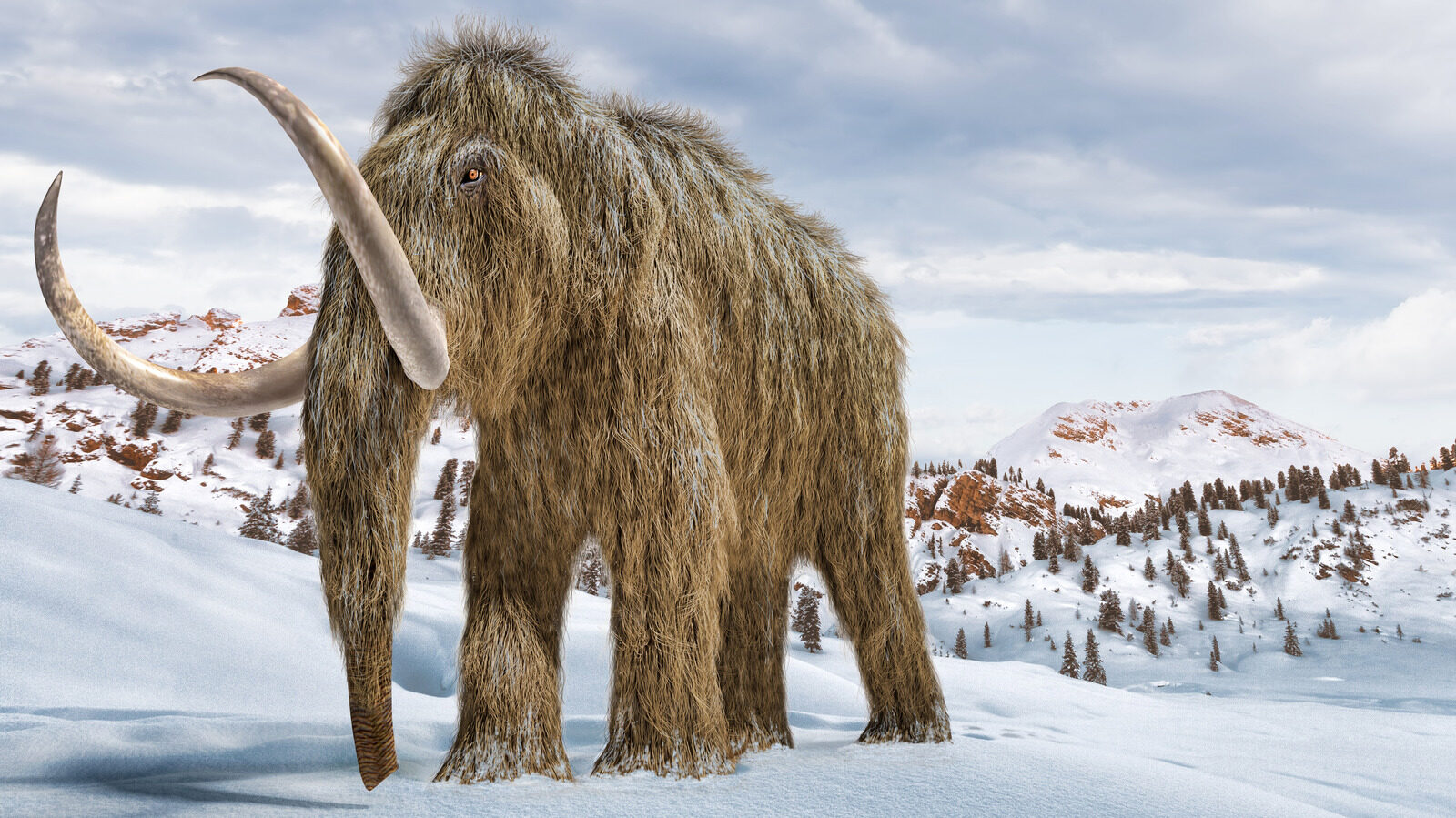

Imagine a world where the woolly mammoth had never faced extinction. This iconic creature, with its massive size and shaggy coat, roamed the Earth for hundreds of thousands of years. What would our ecosystems look like today? How would our interactions with these magnificent animals shape our cultures and environments? As scientists explore the possibilities of de-extinction, we can only speculate about the profound changes that might have occurred had these creatures endured. Let’s delve into the potential ramifications of a world where woolly mammoths still existed.
Our ecosystem would be very different
The presence of woolly mammoths would have fundamentally altered the landscape and dynamics of the ecosystem. During their reign, the Mammoth Steppe—a vast biome stretching across the Northern Hemisphere—was home to a diverse array of species, from steppe bison to woolly rhinoceroses. These animals coexisted with mammoths, creating a balanced ecosystem that thrived on the unique interactions between species.
As a keystone species, mammoths played a crucial role in shaping their environment. Their enormous size allowed them to:
- Flatten grasslands and trees, promoting new growth.
- Turn over soil, which aerated the ground and facilitated plant growth.
- Create habitats for smaller animals through their activities.
With the mammoths still roaming, scientists believe that many of the flora and fauna that flourished during their time would remain intact, leading to a more biodiverse ecosystem today. Their extinction, however, has left a noticeable gap in these environments, resulting in significant changes to plant and animal life.
The evolution of modern species could have taken a different path
Had woolly mammoths survived, we might witness a drastically different evolutionary landscape. Their extinction opened up ecological niches that allowed other herbivores to flourish and evolve, including various species of rhinos, reindeer, and bison. With mammoths continuing to exist, these species might have faced increased competition, potentially stunting their evolutionary progress.
Additionally, the modern elephant, a close relative, would likely have taken a different evolutionary trajectory. The presence of mammoths might have:
- Altered the habitats in which elephants thrive.
- Changed their social behaviors and structures.
- Influenced their physical adaptations to cope with competition.
The interconnectedness of species means that even a single surviving species, like the woolly mammoth, could have far-reaching effects on the evolution of countless others.
Global warming may be less severe
The woolly mammoth’s role in the ecosystem extended beyond just being a part of the food chain; they also helped regulate climate. Their grazing habits and the way they interacted with their environment may have played a role in maintaining cold conditions in their habitats. Specifically, mammoths:
- Trampled vegetation, which prevented the overgrowth of trees and helped maintain grassland.
- Cleared snow from the ground, allowing the permafrost to stay intact and cool.
- Consumed large amounts of vegetation, preventing forest encroachment into grasslands.
Without mammoths, the grasslands transitioned to forested areas, which absorb more heat and contribute to rising temperatures. The absence of this megafauna could be a contributing factor to the current climate crisis we face today.
Humans’ interactions with mammoths would have been altered
The relationship between humans and woolly mammoths was already complex. Early humans hunted these magnificent creatures, relying on their size for sustenance. If mammoths had survived, our interactions might have evolved significantly, resembling those we have today with elephants:
- Potential domestic use for transport or labor.
- Involvement in cultural rituals or practices, similar to elephants in various cultures.
- Conservation efforts aimed at protecting these animals from poaching.
The implications of a continuing relationship with mammoths could have substantially shifted human cultural practices, leading to a greater appreciation and reverence for such large animals.
Mammoths would likely be endangered in the same way as elephants and rhinos
Despite the allure of a world with woolly mammoths, the reality is that they would likely face similar threats as modern-day elephants and rhinos. The following factors would play a significant role in their survival:
- Poaching: Woolly mammoths, with their impressive tusks, would be prime targets for illegal ivory trade.
- Habitat loss: Climate change and human encroachment would reduce their natural habitats.
- Human exploitation: Just as modern megafauna face threats from habitat destruction and poaching, mammoths would likely encounter similar challenges.
In this hypothetical scenario, conservation efforts would be essential to ensure the survival of these iconic creatures amidst human activity.
Other megafauna may still exist, too
The extinction of the woolly mammoth was part of a broader pattern affecting many megafauna species during the Pleistocene epoch. If woolly mammoths had survived, it stands to reason that many other large mammals—such as mastodons, giant ground sloths, and saber-toothed cats—might have also persisted. This could have resulted in a different balance of power among species:
- Increased competition for resources among large mammals.
- Altered migration patterns for early humans.
- A different ecological landscape, rich in diverse megafauna.
Such coexistence might have led to distinct adaptations and survival strategies among both humans and animals.
Alternative species may have ended up extinct as a result
While the survival of woolly mammoths paints a positive picture for biodiversity, it’s essential to consider the potential negative impact on other species. As dominant herbivores, woolly mammoths could have:
- Competed with smaller herbivores for food resources.
- Altered habitats, making it challenging for smaller species to thrive.
- Created a situation where certain species might have faced extinction due to competition.
The dynamics of ecosystems are delicate, and the mammoth’s presence could have unintended consequences for many species that might have thrived in their absence.
Mammoths may have further evolved
If woolly mammoths had not gone extinct, they would likely have continued to adapt to changing climatic conditions. Over thousands of years, they could have evolved in response to warming temperatures, possibly leading to different physical characteristics:
- Reduced body size as warmer climates favor smaller animals.
- Changes in fur density or texture, possibly losing their iconic shaggy coat.
- Physical adaptations to new vegetation types and habitats.
Such evolutionary changes would reflect the ongoing interaction between species and their environments, highlighting nature’s resilience and adaptability.
The de-extinction project would be attempting to bring other animals back instead
In today’s world, scientists are exploring the potential of de-extinction, with the woolly mammoth often at the forefront of these discussions. However, if mammoths had never gone extinct, efforts to revive them may have shifted focus to other extinct species. Current de-extinction initiatives, such as those led by Colossal Laboratories and Biosciences, aim to create hybrid animals, blending mammoth and elephant DNA. This raises questions about which other species might have been prioritized for revival:
- The woolly rhinoceros, which shared its habitat with mammoths.
- The giant ground sloth, which was a significant herbivore of its time.
- The saber-toothed tiger, a formidable predator from the Ice Age.
The implications of these de-extinction efforts emphasize not only the remarkable advances in science but also the importance of understanding the ecological roles these species played.