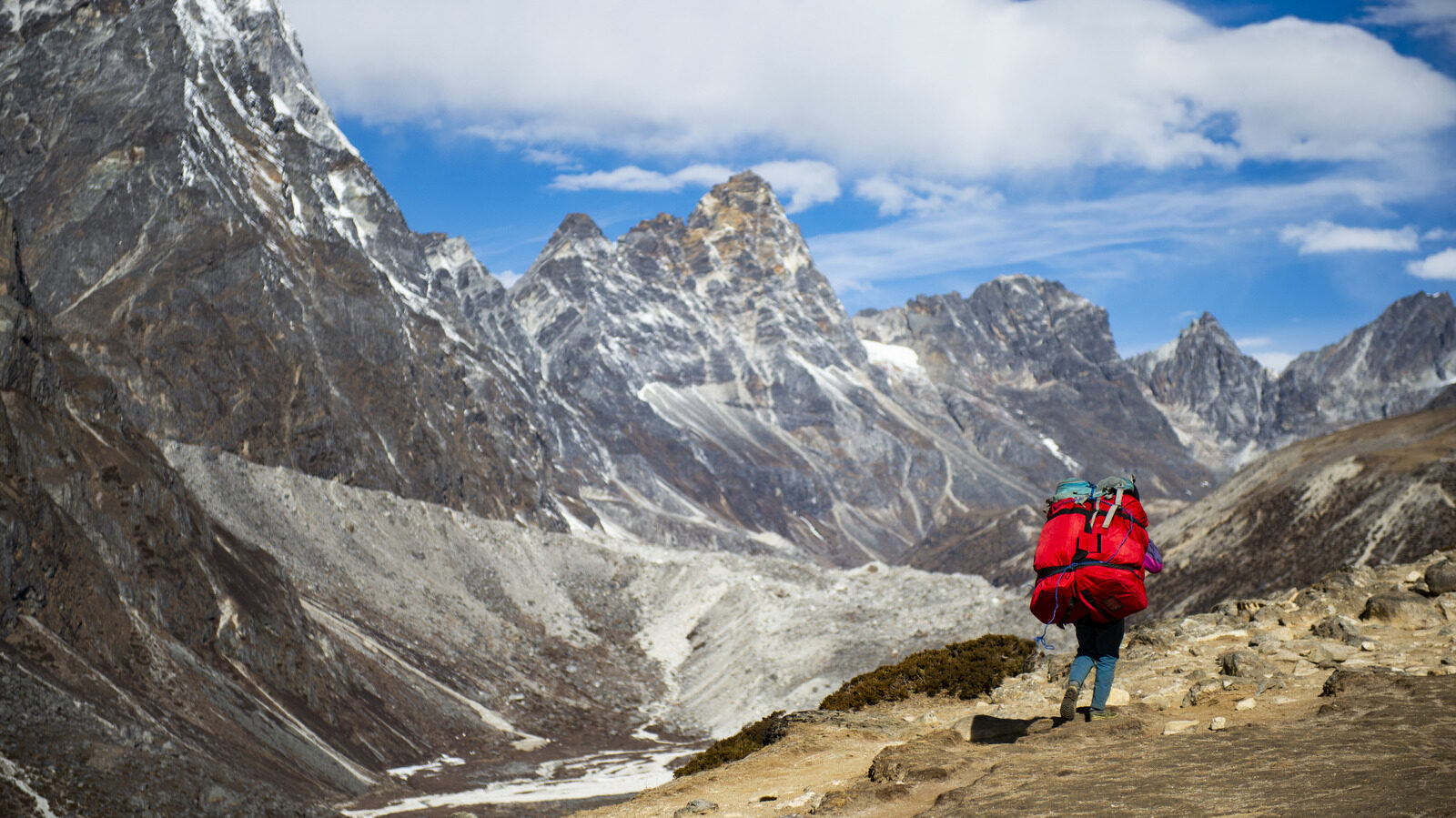

Climbing the world’s highest peaks is a dream for many adventurers, yet for the Sherpa people, it is a way of life. Their extraordinary ability to thrive in extreme altitudes raises questions about evolution, adaptation, and the unique physiological traits that set them apart. This article delves into the fascinating world of Sherpas and explores the science behind their remarkable prowess in high-altitude mountaineering.
The unique heritage of the Sherpa people
The Sherpas are an ethnic group native to the mountainous regions of Nepal, specifically the Himalayas. They are part of a larger family of ethnic communities known as the Bhotia, which share cultural and historical ties with Tibet. The term “Sherpa” derives from the Tibetan words “shar pa,” meaning “easterner,” reflecting their geographic roots. Today, there are approximately 150,000 Sherpas, most of whom live in the mountainous terrains of Nepal.
Traditionally, Sherpas have played a pivotal role in high-altitude expeditions, serving not only as guides but also as skilled porters who carry essential supplies for climbers. They set up climbing routes, establish camps, and help navigate the treacherous paths of the Himalayas. Their intimate knowledge of the terrain, combined with their exceptional physical abilities, makes them invaluable in the world of mountaineering.
What sets Sherpas apart from other climbers?
The Sherpas have gained international recognition for their unmatched climbing abilities, with notable figures such as Tenzing Norgay, who was one of the first two individuals to reach the summit of Mount Everest alongside Sir Edmund Hillary in 1953. Another notable Sherpa, Kami Rita, holds the record for the most successful Everest summits, reaching the peak a staggering 31 times. But what accounts for these remarkable achievements?
A key factor lies in their unique physiological adaptations. Studies reveal that Sherpas possess specific biological traits that enhance their performance in extreme altitudes, enabling them to survive and thrive where others struggle. These adaptations can be traced back through thousands of years of evolution in the harsh environments of the Tibetan Plateau.
The efficient use of oxygen in Sherpas
One of the most significant challenges faced by climbers at high altitudes is the lack of oxygen. At the summit of Mount Everest, the atmospheric pressure is only one-third of what it is at sea level, leading to a condition known as hypoxia, which can have severe consequences on the body. Most individuals must supplement their oxygen supply to cope with this scarcity, but Sherpas have adapted to function effectively in these conditions.
Research published in the journal Proceedings of the National Academy of Sciences indicates that Sherpas’ mitochondria, the cell structures responsible for energy production, are particularly efficient at utilizing oxygen. This efficiency allows them to produce adenosine triphosphate (ATP) — the body’s energy currency — with less oxygen than is required by lowlanders.
- Sherpas exhibit higher mitochondrial efficiency, reducing oxygen wastage.
- They have an enhanced capacity for anaerobic metabolism, allowing energy production without oxygen.
- Sherpas produce more nitric oxide, which helps maintain blood flow in low-oxygen environments.
Evolutionary adaptations of the Sherpa body
The extraordinary capabilities of the Sherpa people can be understood through the lens of evolution. For over 6,000 years, Sherpas have inhabited the high-altitude regions of the Himalayas, where natural selection has favored individuals with traits that enhance oxygen efficiency and overall survival. This long history of adaptation has resulted in several key physiological advantages:
- **Mitochondrial efficiency**: Sherpas’ mitochondria are specially adapted to maximize energy extraction from oxygen.
- **Regulation of red blood cells**: Unlike lowlanders, Sherpas do not experience a dramatic increase in red blood cell production at high altitudes, which helps maintain blood viscosity.
- **Nitric oxide production**: Elevated levels of this molecule help dilate blood vessels, improving oxygen delivery.
- **High phosphocreatine levels**: Sherpas maintain higher phosphocreatine levels at altitude, providing an energy reserve during physical exertion.
The medical implications of Sherpa physiology
The study of Sherpa physiology holds significant promise for the medical field, particularly regarding conditions related to low oxygen levels, such as hypoxia. Traditional treatments for hypoxia typically involve administering supplemental oxygen; however, this approach is not always effective. Understanding how the Sherpa body efficiently utilizes oxygen could lead to innovative therapies for various health conditions, including:
- Anemia
- Cardiopulmonary issues
- Chronic obstructive pulmonary disease (COPD)
- High-altitude sickness
Research into Sherpa adaptations could revolutionize treatment methods and improve outcomes for patients suffering from diseases associated with low oxygen levels.
The cultural significance of Sherpas in mountaineering
The Sherpa community is not just defined by their physical prowess; they also embody a rich cultural heritage that emphasizes teamwork, resilience, and hospitality. Their longstanding traditions play a crucial role in the climbing community, as their extensive knowledge of the mountains and weather patterns contributes significantly to the safety and success of expeditions.
In a world increasingly focused on individual achievement, Sherpas remind us of the importance of collaboration and mutual support in achieving goals. Their role as guides and porters is a testament to the strength of community, showcasing how collective efforts can lead to extraordinary accomplishments.
The future of Sherpas in the climbing industry
As the popularity of high-altitude climbing continues to grow, the Sherpa community faces both challenges and opportunities. While their skills are in high demand, it is essential to ensure that their contributions are recognized and valued appropriately. Issues such as fair compensation, environmental sustainability, and the preservation of cultural heritage are crucial as the climbing industry evolves.
Efforts to promote responsible tourism and ethical practices can help protect the interests of Sherpas while contributing to the preservation of their unique way of life. Engaging with the Sherpa community and empowering them to take an active role in decision-making processes related to mountaineering will foster a more equitable and sustainable future for all involved.