Air travel is often viewed as the safest mode of transportation, yet the fear of emergencies can loom large in the minds of passengers. One of the most unsettling sights during a flight is the descent of the oxygen masks, which can trigger panic. Understanding how these masks work and their limitations can help mitigate that fear. What if we told you that the oxygen supply on airplanes is not as extensive as you might think? Let’s explore the reality behind airplane oxygen masks and what they truly offer.
The surprising limitations of oxygen supplies on airplanes
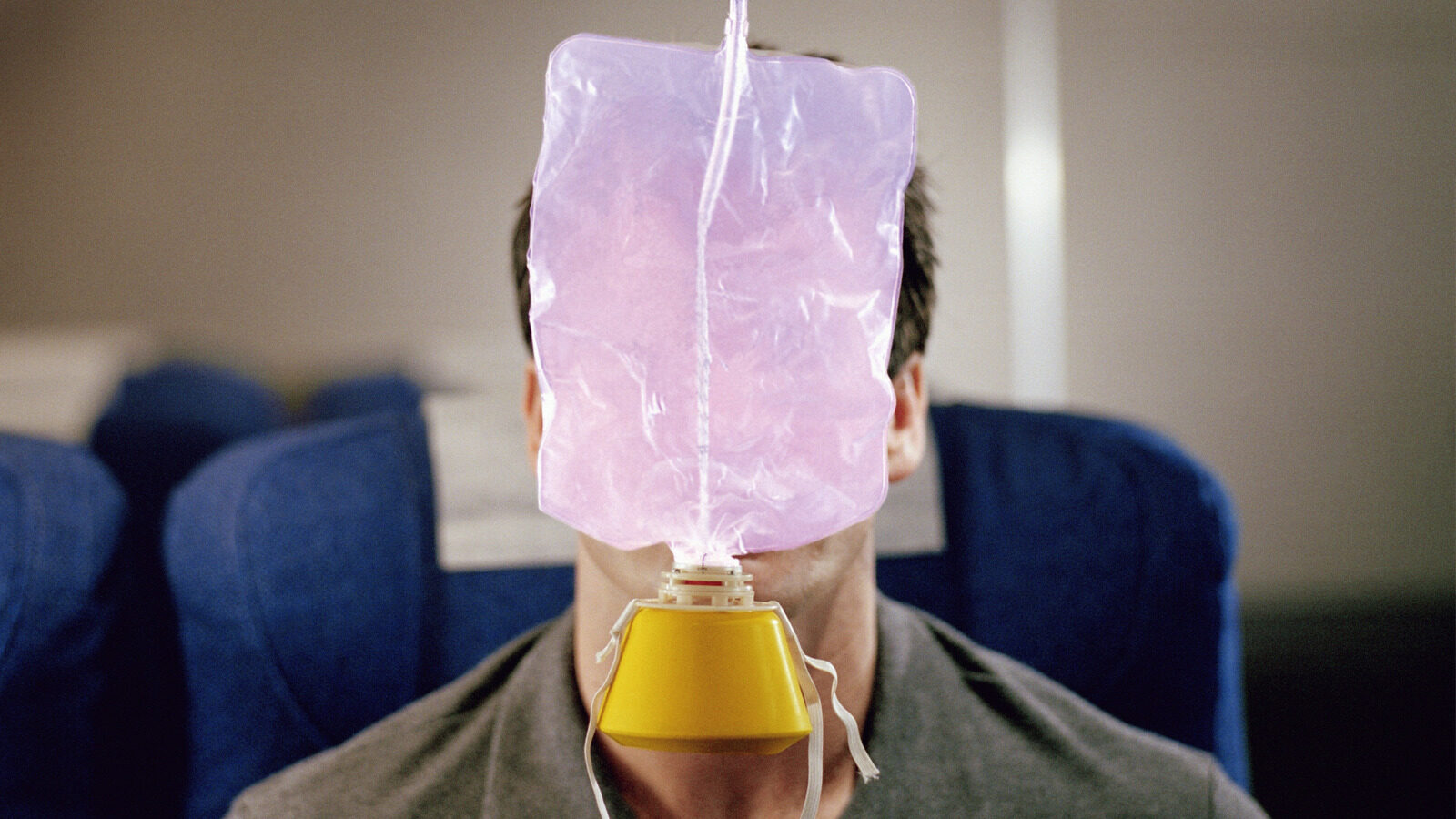
When it comes to the oxygen masks on commercial flights, the duration of their supply is surprisingly short. In the event of cabin depressurization, these masks are designed to provide oxygen for only about 12 to 15 minutes. This timeframe might seem alarmingly brief, especially when you consider the chaos that can ensue in such a situation.
However, this limited supply is strategically planned. The primary purpose of the oxygen masks is to give pilots enough time to execute an emergency descent to a safer altitude where breathable air is available. Typically, planes cruise at altitudes above 30,000 feet, where the air pressure is significantly lower, making oxygen scarce. As the cabin pressure drops, passengers would quickly start to feel the effects of hypoxia, which can lead to confusion and unconsciousness in mere seconds.
To maintain safety, airlines follow strict regulations. According to the FAA, every passenger should have access to at least 10 minutes of oxygen on flights operating above 25,000 feet. This duration is deemed sufficient for the pilots to descend to below 10,000 feet where the air is breathable.
How oxygen masks provide crucial support during emergencies
The design and function of oxygen masks are critical when it comes to passenger safety. Here’s how they work:
- **Automatic Deployment**: Oxygen masks drop automatically when cabin pressure decreases, allowing passengers to quickly access them.
- **Simplicity of Use**: Masks are designed to be easily put on, even in stressful situations, with clear instructions provided for passengers.
- **Immediate Relief**: Once donned, the masks provide immediate access to oxygen, mitigating the risk of hypoxia.
Moreover, the oxygen provided is not simply stored air but a mixture generated from chemical reactions, ensuring that every passenger has access to fresh oxygen as needed. The masks are equipped to deliver oxygen efficiently, allowing passengers to breathe easily despite the circumstances.
Why 10 minutes of oxygen is typically adequate
While 10 minutes might seem insufficient, it is generally regarded as adequate for several reasons:
- Quick descent capability: Modern aircraft are engineered to descend rapidly, often reaching safe altitudes within minutes.
- Training and protocol: Pilots are rigorously trained to handle emergency situations, ensuring they can perform the necessary actions swiftly and safely.
- Passenger awareness: Passengers are instructed to secure their masks before assisting others, increasing the likelihood of a successful recovery for everyone on board.
The design of the oxygen system reflects a balance between safety and practicality. It’s important to trust that these measures are in place for passenger protection, even if the supply seems limited at first glance.
Differences in oxygen supply: passengers vs. pilots
One noteworthy distinction in oxygen supply involves the pilots, who have access to a much larger reserve. This is due to several factors:
- Increased usage: Pilots often need to use their masks more frequently, especially when they leave the cockpit.
- Longer duration: The oxygen supply for pilots is designed to last significantly longer than that of passengers, ensuring they can maintain control and clarity during emergencies.
- Vision enhancement: Oxygen masks can improve visibility at high altitudes during nighttime operations.
This configuration ensures that pilots remain able to manage the aircraft effectively, even under distressing conditions, while passengers can rely on their shorter oxygen supply to facilitate a safe descent.
Understanding cabin pressure and its importance
Cabin pressurization is a critical safety feature in commercial aviation. By maintaining cabin pressure equivalent to an altitude of 8,000 feet, airlines can ensure that passengers receive adequate oxygen for comfortable breathing. However, should this pressure be compromised, the consequences can be severe:
- **Hypoxia symptoms**: Passengers may experience symptoms such as dizziness, confusion, and shortness of breath.
- **Emergency protocol**: Quick response is vital, which is why passengers are advised to put on their masks as soon as they notice a drop in pressure.
- **Safety measures**: Airlines regularly conduct maintenance checks and training drills to prepare for potential depressurization scenarios.
This emphasis on cabin pressure management underscores the aviation industry’s commitment to passenger safety, ensuring that even in emergencies, robust systems are in place to protect lives.
Final thoughts on airplane oxygen masks
Understanding the mechanics and limitations of airplane oxygen masks can help alleviate fears associated with air travel. Although the supply may seem short, the systems are designed for efficiency and effectiveness, ensuring that passengers have the necessary time to react in emergencies. With proper training and protocols, both pilots and passengers can trust that safety measures are in place to handle unforeseen events.