The Reconstruction era, spanning from 1865 to 1877, was a pivotal period in American history. It followed the tumultuous Civil War and saw the North assume responsibility for rebuilding the South. This wasn’t just about fixing broken infrastructure; it was about reshaping the very fabric of Southern society. The federal government aimed to create a new social order, one that embraced equality and justice for all citizens, regardless of their race.
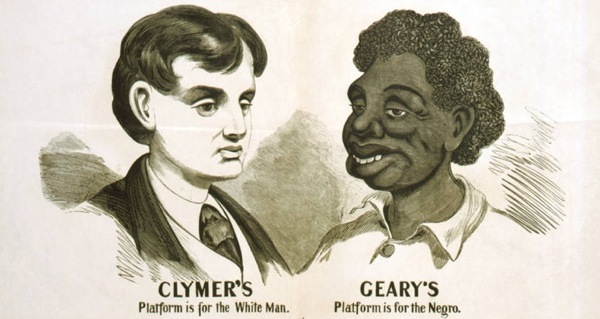
This ambitious project brought both remarkable progress and deep setbacks. Images of reconstruction captured this complex reality: newly established schools serving Black students, African Americans participating in elections, and the creation of constitutions that enshrined civil rights. Yet, these advancements were constantly challenged by resistance from white Southerners who clung to a pre-war system of racial hierarchy. Violence, intimidation, and discriminatory laws became commonplace, ultimately undermining the hard-won gains of Reconstruction.
Understanding this era is crucial for comprehending the ongoing struggles for racial equality in America. The lessons learned during Reconstruction continue to shape our nation’s conversation about justice, citizenship, and the pursuit of a truly inclusive society.
Federal Oversight and Black Empowerment
The federal government’s role during Reconstruction was nothing short of transformative. President Lincoln had envisioned a lenient approach to the defeated South, but his assassination led to a more assertive stance under President Andrew Johnson. The implementation of the 14th and 15th Amendments, guaranteeing citizenship and voting rights for Black men, respectively, marked a radical shift in American law. These constitutional changes, combined with federal troops stationed throughout the South, aimed to protect these newfound rights and ensure a level playing field for formerly enslaved people.
This period witnessed unprecedented Black empowerment. African Americans served in state legislatures, held local offices, and participated actively in shaping their communities. They established schools, churches, and businesses, laying the groundwork for a more independent and self-sufficient future. The South was undergoing a profound transformation, with Black voices finally having a platform in the political and social spheres. This era of opportunity, however, was fragile and constantly threatened by white resistance.
Despite these advancements, persistent racial prejudice and violence cast a long shadow over Reconstruction. The rise of organizations like the Ku Klux Klan aimed to terrorize Black communities and undermine their newfound freedoms. While federal troops were deployed to suppress such groups, the limitations of federal intervention and the ever-present threat of white supremacy made it difficult to fully guarantee equality during this period.
The Promise of Reconstruction
The Reconstruction era held immense promise for a more equitable and just America. The possibility of truly integrating formerly enslaved people into society, granting them equal rights and opportunities, was a radical and hopeful vision.
Reconstruction sought to establish a new social contract based on the principles of equality and shared citizenship. It aimed to dismantle the structures of racial hierarchy that had defined the South for centuries and create a nation where all individuals, regardless of their race or background, could participate fully in American life. This vision resonated with many, both North and South, who believed in the fundamental ideals of liberty and justice for all.
While the ultimate achievements of Reconstruction fell short of its grand aspirations, the era left an enduring legacy. It demonstrated the potential for transformative change and the power of collective action to challenge deeply entrenched systems of oppression. The struggle for racial equality that began during Reconstruction continues to this day, serving as a reminder of the ongoing need to fight for a more inclusive and just society.
Resistance and Violence in the South
Despite the federal government’s efforts to implement Reconstruction policies, the South was rife with resistance to these changes. Many white Southerners refused to accept the loss of their privileged position and resented the newfound rights granted to Black citizens. This simmering resentment manifested in various forms, from outright violence to subtle acts of discrimination.
The rise of organizations like the Ku Klux Klan epitomized this violent opposition. These groups employed intimidation tactics, lynchings, and other forms of terror to suppress Black communities and discourage their participation in politics and society. White Southerners also used legal loopholes and discriminatory laws, known as Jim Crow, to restrict Black voting rights, access to education, and economic opportunities. This systematic disenfranchisement eroded the gains made during Reconstruction and created a climate of fear and uncertainty for Black citizens.
While federal troops were sometimes deployed to quell this violence, their presence was often insufficient to fully protect Black communities from persistent threats. The limitations of federal intervention and the deeply ingrained racism in Southern society made it difficult to truly ensure equality and justice during this crucial period.
The End of Reconstruction: A New Era Begins
The Compromise of 1877 effectively marked the end of Reconstruction. This controversial agreement, reached between Democrats and Republicans, saw the withdrawal of federal troops from the South in exchange for the contested presidential election results being awarded to Rutherford B. Hayes. This decision signaled a shift in national priorities, with political considerations seemingly outweighing the unfinished work of ensuring racial equality.
With federal oversight gone, Southern states quickly reverted to white supremacist policies. Jim Crow laws were implemented throughout the region, systematically disenfranchising Black citizens and segregating them from public spaces. This ushered in an era known as the “Jim Crow South,” where racial discrimination permeated every aspect of life for African Americans. The hopes and aspirations embodied in images of reconstruction were ultimately overshadowed by a renewed commitment to white dominance in the South.
The legacy of Reconstruction continues to shape American society today. While its legal and political goals fell short, it served as a crucial reminder of the fragility of democratic progress and the ongoing need to combat racial injustice. Understanding this era is essential for grappling with contemporary issues of inequality and striving towards a more inclusive and equitable future.
Legacy of Progress and Unfulfilled Potential
Despite its ultimate failure to achieve lasting racial equality, Reconstruction left an undeniable legacy of progress. The 14th and 15th Amendments remain cornerstones of American democracy, guaranteeing fundamental rights to all citizens. Black Americans made significant strides in education, political participation, and economic empowerment during this brief but transformative era. These achievements, though ultimately reversed by Jim Crow segregation, served as a powerful testament to the resilience and determination of the African American community.
However, Reconstruction also stands as a stark reminder of the unfulfilled potential for a truly equitable society. The violent backlash from white Southerners, coupled with limited federal commitment to enforcing civil rights, ultimately undermined the progress made during this period. The legacy of Reconstruction is complex and multifaceted, marked by both triumph and tragedy.
Looking back, it’s clear that Reconstruction was a crucial turning point in American history, shaping the nation’s ongoing struggle for racial justice. Its story serves as a constant reminder of the fragility of progress and the enduring need to fight for equality and inclusion for all.