
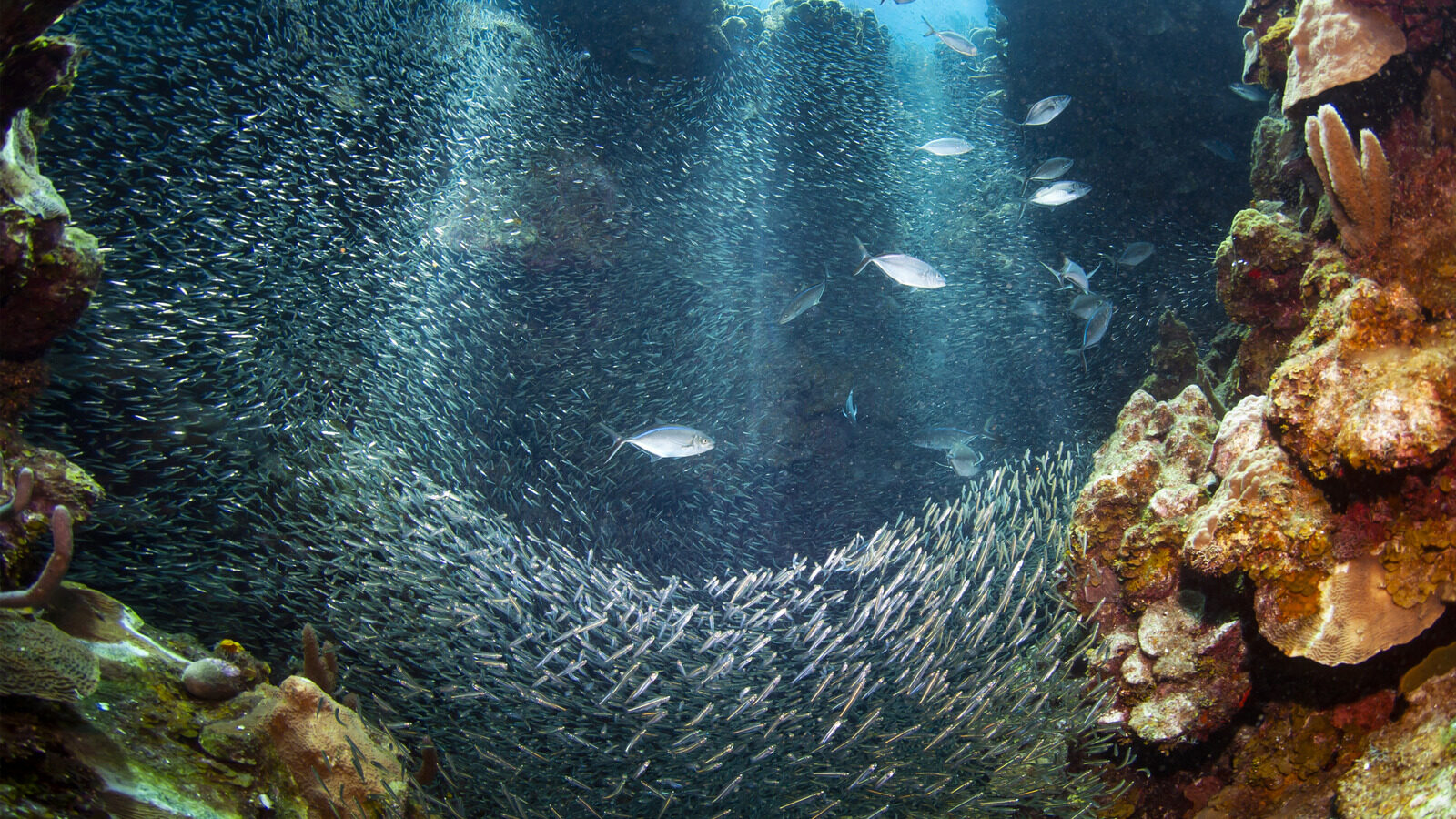
In the depths of the ocean, remarkable discoveries await those brave enough to explore its mysteries. One of the most surprising finds in recent years is not a creature you might expect, but an enormous coral colony that has turned our understanding of underwater life upside down. This article delves into the significance of this colossal organism and its implications for marine ecosystems.
A shipwreck that revealed a coral colony
In October 2024, a team of over 15 scientists and filmmakers embarked on an ambitious expedition to investigate the marine ecosystems surrounding the Solomon Islands. This region, part of the Coral Triangle, is renowned for its rich biodiversity, housing unique species like the endemic stingray and various marine turtles. The researchers aimed to enhance their understanding of this vital ecosystem to implement effective conservation strategies.
Amidst their exploration, the team stumbled upon what they initially believed to be a massive shipwreck. Upon closer inspection, however, this intriguing structure was revealed to be the world’s largest coral colony, stunning the researchers. Identified in November 2024, this extraordinary discovery marked a significant milestone in marine biology.
The organism, scientifically known as Pavona clavus, is not merely a coral reef composed of various colonies but rather a single, expansive colony made up of nearly one billion individual coral polyps. These polyps, related to anemones and jellyfish, typically thrive in colonies, and when they join forces, they form extensive reefs. Nevertheless, the scale of this particular colony is unprecedented.
Coral colonies are known for their longevity, with this specific cluster estimated to be between 300 and 500 years old. Its appearance—brown and rock-like with vibrant yellow, blue, and red streaks upon closer scrutiny—reveals insights into how such organisms endure environmental changes over centuries.
The environmental significance of the massive coral colony
The immense Pavona clavus colony is not just remarkable for its size; it also serves as a crucial habitat for diverse marine life. This colony provides shelter and sustenance for various species, including:
- Young reef fish
- Crabs
- Shrimp
- Various invertebrates
- Other marine organisms
As such, preserving this unique discovery is paramount, especially in light of the fact that shallower reefs nearby have suffered devastating impacts due to climate change and rising sea temperatures. While the Pavona clavus colony resides in deeper waters, offering it some protection, it remains vulnerable to the broader environmental threats facing our oceans.
A study published in Marine Policy in 2025 highlighted a concerning statistic: only 8% of the world’s oceans are currently protected. With a global commitment to increase this figure to 30% by 2030, significant efforts are needed to achieve this goal. Researchers point out that establishing approximately 300 large marine protected areas (MPAs) and 188,000 small MPAs will be essential to ensure the health of marine ecosystems.
Moreover, a report from the World Economic Forum revealed that since 2009, the planet has lost about 14% of its coral reefs, categorizing these ecosystems as among the most threatened on Earth. The discovery of the Pavona clavus colony not only provides hope for marine conservation efforts but also underscores the urgent need to protect our oceans.
Understanding coral ecosystems and their threats
Coral reefs are essential to marine biodiversity and play a vital role in the health of ocean ecosystems. They provide a habitat for approximately 25% of all marine species, making them crucial for maintaining ecological balance. However, these environments face numerous threats, including:
- Climate Change: Rising ocean temperatures lead to coral bleaching, where corals expel the symbiotic algae (zooxanthellae) that provide them with nutrients, ultimately resulting in their death.
- Ocean Acidification: Increased carbon dioxide levels cause ocean acidification, which weakens coral skeletons and makes it harder for them to grow.
- Pollution: Runoff from agriculture, plastics, and sewage can introduce harmful substances into marine environments, degrading water quality and affecting coral health.
- Overfishing: The depletion of fish populations disrupts the balance of reef ecosystems and can lead to an overabundance of algae that compete with corals for space.
- Coastal Development: Urbanization and infrastructure projects can destroy natural habitats and increase sedimentation, which smothers coral reefs.
Addressing these threats is critical for the survival of coral reefs and the myriad of species that depend on them. Initiatives aimed at reducing greenhouse gas emissions, improving waste management, and promoting sustainable fishing practices are vital steps in safeguarding these ecosystems.
Future research and conservation efforts
The discovery of the Pavona clavus colony serves as a catalyst for future research and conservation initiatives. Marine biologists and environmentalists are now more motivated than ever to explore and protect coral reefs, particularly in regions like the Solomon Islands. Some promising actions include:
- Establishing Marine Protected Areas: Creating designated zones that limit human activity can help preserve critical habitats.
- Restoration Projects: Initiatives aimed at restoring damaged reefs through coral gardening and transplanting can help rejuvenate ecosystems.
- Community Engagement: Involving local communities in conservation efforts fosters stewardship and promotes sustainable practices.
- Education and Awareness: Raising public awareness about the importance of coral reefs can drive support for conservation policies.
- Scientific Research: Continued research into coral biology, ecology, and resilience will enhance our understanding and inform conservation strategies.
As we look to the future, it is clear that the survival of coral ecosystems hinges on our collective efforts to address the challenges they face. The massive Pavona clavus colony stands as a testament to the wonders of the natural world and a reminder of our responsibility to protect it.