
Coral reefs are often referred to as the “rainforests of the sea,” and for good reason. They are vibrant ecosystems that support a diverse range of marine life and provide essential services to millions of people around the globe. However, these underwater treasures face numerous threats, leading to significant declines in their health. Innovative solutions, such as artificial reefs and snorkeling trails, are emerging to revive these ecosystems while allowing the public to engage with marine conservation efforts.
One notable initiative is the Guardians of the Reef project in Hollywood, Florida. This program not only aims to restore coral populations but also creates an engaging underwater experience for snorkelers. Dive into the details of how artificial reefs work and the importance of such initiatives in preserving our oceans.
Understanding artificial reefs: composition and functionality
Artificial reefs have become a cornerstone in the effort to restore and sustain coral ecosystems. These structures are specifically designed to create stable environments for coral growth, which is crucial given the declining health of natural reefs. Historically, the concept of artificial reefs is not new; as early as the 1800s, naturalists like Charles Darwin observed how coral could thrive on man-made surfaces.
Initially, artificial reefs were created using decommissioned ships, old vehicles, and other waste materials. However, as environmental awareness grew, the focus shifted to using more suitable materials that promote marine life. Today, effective artificial reefs are made from:
- Concrete
- Limestone
- Steel
- Non-toxic composites
- Various other natural materials
These materials are selected for their durability and ability to foster coral attachment. Once deployed in appropriate locations, coral larvae can settle and grow on these surfaces, providing a safe haven for aquatic life. Within months, the growth can be substantial, leading to vibrant habitats that attract diverse marine species. This process not only aids in coral recovery but also benefits local communities through enhanced fishing and tourism opportunities.
The Guardians of the Reef: A snorkeler’s paradise
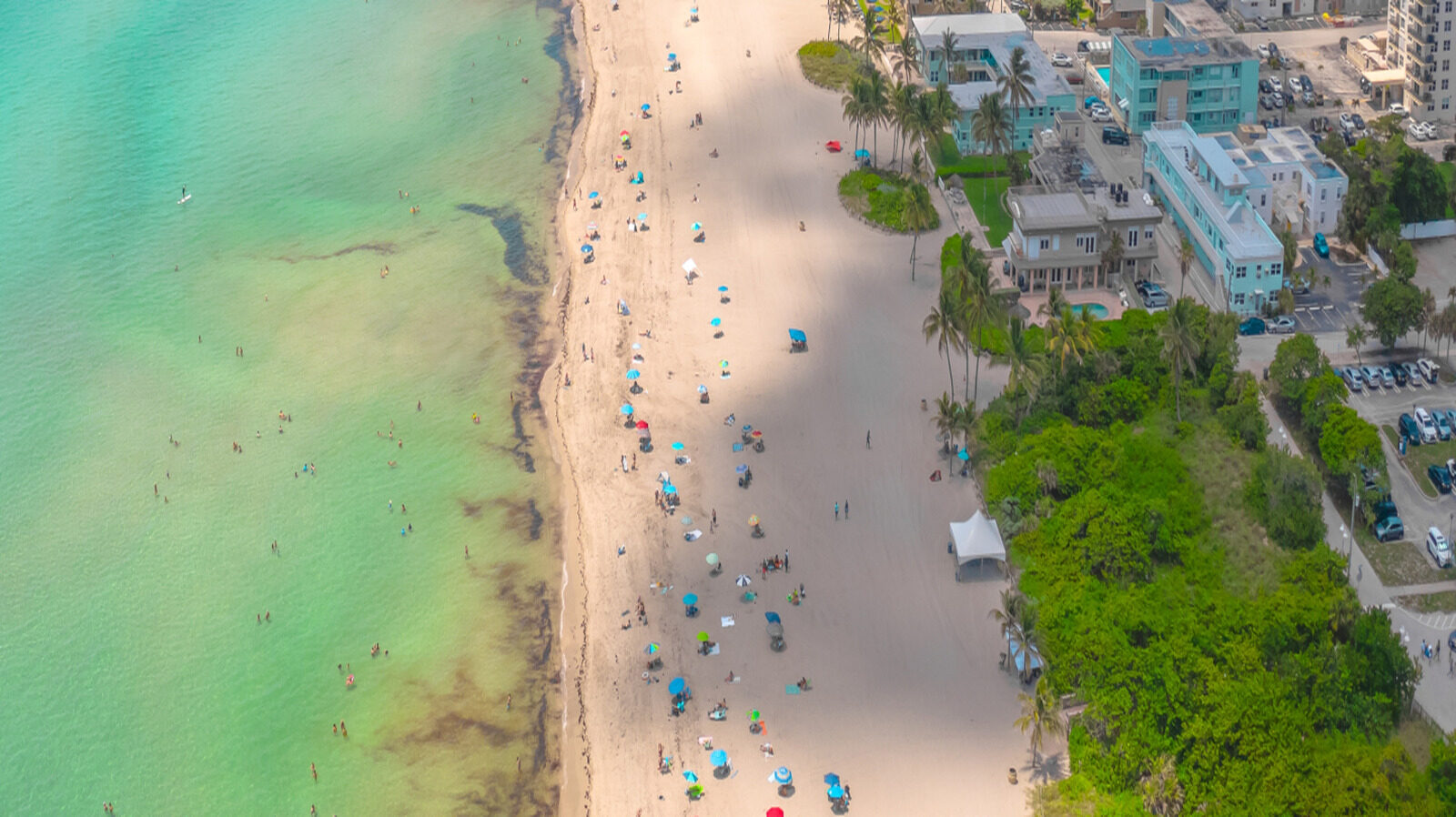
In May 2025, the Guardians of the Reef project unveiled an innovative snorkeling trail off the coast of Hollywood, Florida. This trail includes approximately 50 modules positioned at depths ranging from 8 to 15 feet, making it accessible for snorkelers of all skill levels. The aim is clear: to create both a functional habitat for marine life and a unique underwater experience for visitors.
Each module is marked with bright orange buoys, making navigation easy for snorkelers while also serving as a marker for boaters. Shelby Thomas, the founder and CEO of Ocean Rescue Alliance International (ORAI), described the project as “building cities in the sea for marine life while creating a unique underwater museum.” This initiative not only fosters marine biodiversity but also encourages public participation in ocean stewardship.
Some of the modules incorporate artistic elements, including:
- Sculptures of mythical sea gods, such as Amphitrite and Poseidon
- A selfie sculpture designed to encourage interaction
- Artistic representations of sea creatures, symbolizing various traits of marine ecology
The artistic aspect adds an engaging layer to the experience, allowing snorkelers to enjoy both nature and art. However, it’s essential for participants to approach these installations with care to avoid damaging the fragile ecosystems.
Interacting responsibly with coral reefs
While the Guardians of the Reef project provides exciting opportunities for public engagement, it also emphasizes the importance of responsible interaction with coral ecosystems. Human activity can have detrimental effects on coral health, making it vital for snorkelers and divers to follow best practices while enjoying these underwater environments.
Some essential guidelines include:
- Avoid touching or standing on coral reefs to prevent damage.
- Never remove any parts of the reef modules or marine life.
- Access snorkeling sites only via designated public parks.
- Stay aware of boat traffic in the area and consider using a “diver down” flag for visibility.
By following these guidelines, snorkelers can help protect the very ecosystems they appreciate, ensuring that future generations can enjoy the beauty and benefits of coral reefs.
The broader impact of artificial reefs on marine ecosystems
The introduction of artificial reefs like the Guardians of the Reef project represents a proactive approach to marine conservation. Not only do these structures create habitats for coral and other marine species, but they also contribute to the overall health of ocean ecosystems. By fostering biological diversity, artificial reefs help stabilize food webs and support resilient communities of marine life.
In addition to their ecological benefits, these projects also have significant socio-economic implications. Communities that rely on fishing and tourism can benefit from enhanced marine life, leading to:
- Increased fish populations that attract local fishermen
- Boosted tourism, as snorkelers and divers are drawn to unique underwater experiences
- Enhanced educational opportunities focused on marine biology and conservation
Furthermore, initiatives like the Guardians of the Reef raise awareness about the importance of protecting our oceans. They encourage individuals to become active participants in conservation efforts, fostering a sense of stewardship among local communities and visitors alike.
Future innovations in marine conservation
The Guardians of the Reef project exemplifies how creativity and innovation can address environmental challenges. By integrating art, technology, and conservation, such initiatives pave the way for future projects that enhance marine ecosystems. As we look ahead, the potential for developing new techniques and technologies to support coral restoration and marine conservation is promising.
Examples of potential advancements include:
- Utilizing bioreactors to cultivate coral larvae for more efficient transplantation.
- Implementing artificial intelligence for monitoring reef health and biodiversity.
- Creating more interactive experiences to educate the public about marine ecosystems.
As more communities adopt similar approaches to coral conservation, the collective impact could lead to healthier oceans and thriving ecosystems, ensuring that coral reefs continue to play their crucial roles in our planet’s biodiversity.