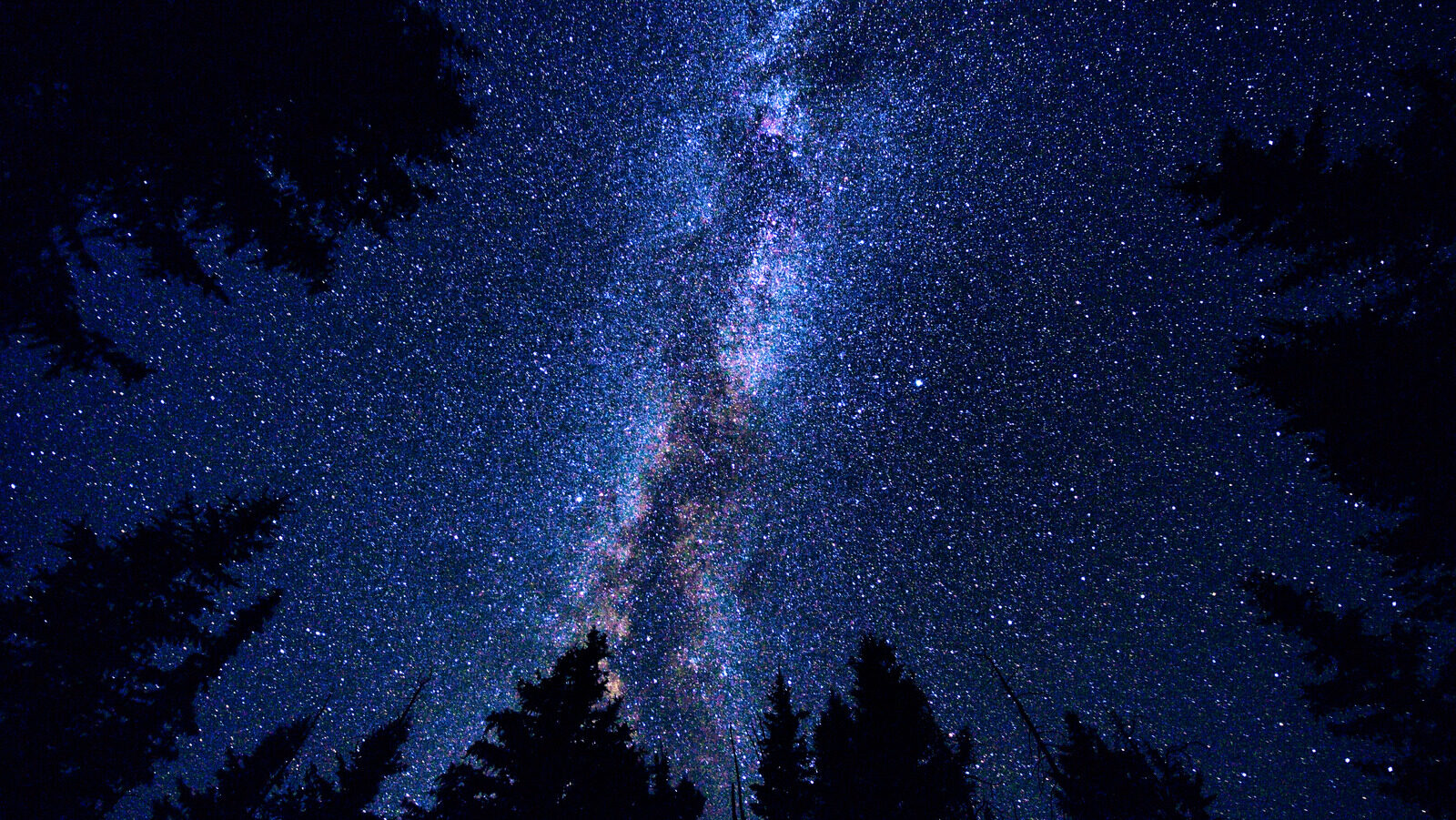
Imagine standing under a clear night sky, gazing up at the spectacular band of the Milky Way stretching across the universe. For many, this awe-inspiring view serves as a reminder of our place in the cosmos. Unfortunately, as urbanization increases, a significant portion of the global population is losing the chance to experience this celestial wonder. Let’s explore the reasons behind this phenomenon, the extent of the issue, and its far-reaching implications.
The surprising reality of Milky Way visibility
Looking up into the night sky and witnessing the hazy arc of the Milky Way is one of the most profound experiences one can have. This arc represents a side view of the galactic disk, teeming with stars, so numerous that we still don’t know the exact number of solar systems contained within the Milky Way. This shimmering band serves as a stark reminder of the rarity of life amidst the vastness of the galaxy. However, surprisingly, around one-third of the world’s population is currently unable to witness this breathtaking sight.
The primary reason for this inability to see the Milky Way is not related to the stars themselves or Earth’s position within the galaxy. The visibility of the Milky Way varies based on geographic location and seasonal changes, yet there should always be a portion visible to the naked eye. Unfortunately, the phenomenon that is hindering this experience is light pollution, a consequence of human innovation.
Light pollution is the excessive or obtrusive artificial light created by our cities and towns. Every streetlight, neon sign, and illuminated window contributes to a luminous haze that obscures the twinkling lights of the cosmos. As urban areas expand, this issue worsens, leading to scenarios where, in some regions, seeing the Milky Way is nearly impossible.
Understanding light pollution and its global impact
Light pollution can be categorized into three main types:
- Glare: This occurs from unshielded lights, such as bare bulbs, which scatter light indiscriminately and reduce visibility by lowering the contrast between objects.
- Light trespass: This is when light spills into areas where it is not intended, similar to a stray bullet, disrupting the natural darkness.
- Skyglow: This refers to the cumulative glow of artificial light that illuminates the night sky, effectively blocking our view of celestial bodies.
A 2016 study published in Science Advances mapped the extent of skyglow across the globe. The findings were staggering: approximately 80% of the human population is affected by light pollution, with a third of that population unable to see the Milky Way due to severe light interference. The issue is particularly pronounced in urban environments, with the Light Pollution Map revealing that regions like the United States, Europe, India, and East Asia are heavily impacted. In fact, the study noted that half of the land area in the U.S. and nearly 90% of Europe suffers from light pollution. This translates to 99% of urban populations in these areas having little chance of seeing the stars.
Consequences of light pollution for the environment
Light pollution is often overshadowed in discussions about environmental degradation and climate change. While the emphasis is frequently placed on greenhouse gas emissions and waste management, it is essential to recognize light as a pollutant in its own right. When combined with other pollutants, light can exacerbate environmental issues. For instance, greenhouse gas particles scatter light, and clouds reflect it, intensifying skyglow brightness by up to 1000 times.
The environmental repercussions of light pollution are significant:
- Disruption of ecosystems: Many animals rely on natural day and night cycles to regulate their behaviors, such as feeding and mating. Artificial light disrupts these rhythms, leading to increased vulnerability to predators.
- Impacts on plant growth: The natural balance of light and dark is crucial for plant health. Disrupted cycles can affect flowering and fruiting times, impacting agriculture and local ecosystems.
- Human health effects: Light pollution can disturb our circadian rhythms, leading to sleep disorders and associated health problems, such as increased stress and decreased cognitive function.
Furthermore, the implications extend to the scientific community. As light pollution encroaches upon darker skies, astronomers face growing challenges in finding suitable locations for their research. The decreasing visibility of celestial phenomena could hinder the next generation of scientists, as many children today lack the opportunity to feel the inspiration and wonder that comes from gazing at the Milky Way.
Efforts to combat light pollution
Recognizing the adverse effects of light pollution has led to various initiatives aimed at mitigating its impact. Cities around the world are beginning to adopt more sustainable lighting practices. Here are some strategies being implemented:
- Shielded lighting: Installing fixtures that direct light downward can significantly reduce glare and light trespass, helping to preserve the natural night sky.
- Smart lighting systems: Utilizing motion sensors and timers can help ensure that lights are only used when necessary, reducing overall light output during late hours.
- Community awareness programs: Educating the public about the importance of dark skies can foster support for initiatives aimed at reducing light pollution.
- Legislation: Some regions have enacted laws to regulate outdoor lighting, encouraging the use of energy-efficient and less obtrusive lighting solutions.
By addressing light pollution, we can take significant steps toward preserving our night skies for future generations and ensuring that everyone has the opportunity to marvel at the Milky Way.
The cultural significance of the night sky
The Milky Way is not merely an astronomical feature; it holds profound cultural significance across various societies. Throughout history, countless civilizations have looked to the stars for guidance, inspiration, and mythology.
- Navigation: Ancient mariners would rely on the stars for navigation, using the position of the Milky Way to guide their journeys across vast oceans.
- Mythology: Many cultures have woven the Milky Way into their mythologies, attributing various stories and meanings to its presence in the sky.
- Art and literature: The beauty of the Milky Way has inspired countless works of art, poetry, and literature, reflecting humanity’s enduring fascination with the cosmos.
As we continue to grapple with light pollution, it is crucial to remember that the night sky’s beauty and mystery are intrinsic to our cultural heritage. Protecting our ability to see the Milky Way is not just about preserving a natural phenomenon; it’s about maintaining a vital connection to our history, imagination, and sense of wonder.